


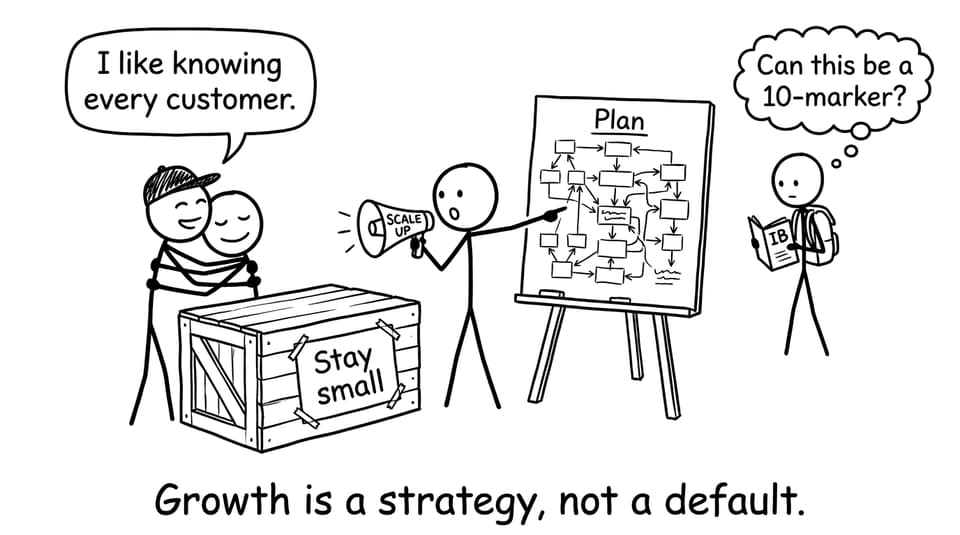
A café near my old school had a line out the door every Friday. Everyone assumed the owner would open a second location. She never did.
A few streets away, another café expanded fast, hired managers, chased new districts, and eventually became a small chain.
In IB Business Management, this contrast is the point: growth is not “good” and staying small is not “bad.” They’re different strategies with different trade-offs. If you can explain those trade-offs calmly, you’ll sound like a top-band student.
A quick IB Business Management checklist for any exam question
When you see “Should the business expand?” or “Why might a firm stay small?” use this mini-check:
-
Objective: profit, market share, survival, lifestyle, mission
-
Benefits of growth: economies of scale, bargaining power, stronger brand
-
Costs of growth: finance needed, complexity, quality control
-
Risk: debt, competition response, operational failure
-
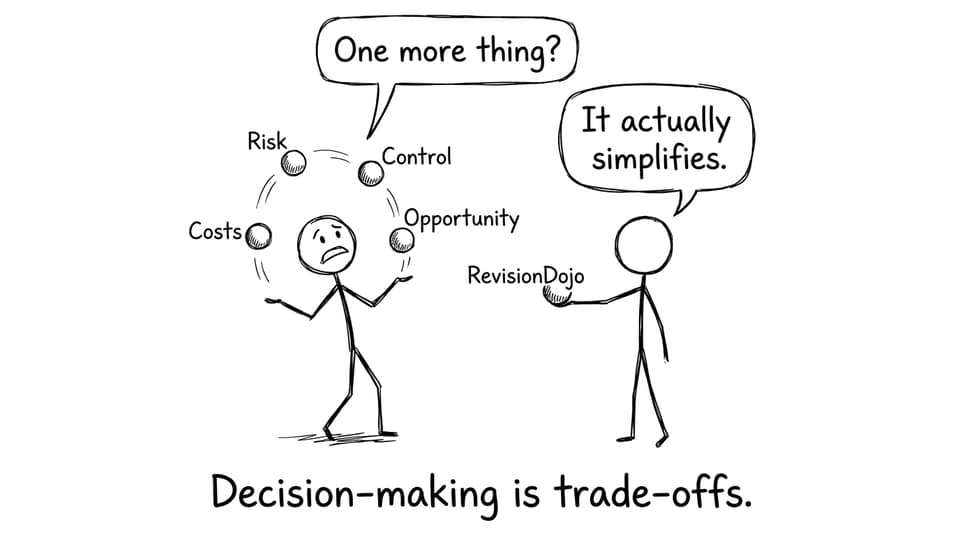
Control: ownership dilution, culture change, slower decisions
For definitions (growth, economies, diseconomies), keep IB Business Management Key Definitions open as you revise.
Why businesses choose to expand in IB Business Management
Many firms expand because it makes the numbers work. More output can lower average costs through economies of scale, giving room to reduce prices or raise margins. If you need a clean explanation and examples, revise with 1.5 Growth and Evolution Notes and the deeper detail in 1.5.1 Economies and Diseconomies Notes.
Expansion is also about resilience. A business that diversifies products or markets can reduce dependence on one revenue stream. In exam terms: you’re linking growth to risk reduction and long-term stability, not just “more sales.”
And sometimes growth is competitive defense. If rivals are scaling up, staying small can mean losing supplier discounts, talent, visibility, or distribution access.
To practise writing this as evaluation (not narration), use How to Maximize Your Score in IB Business Management and then drill exam-style prompts in the RevisionDojo Questionbank via the IB Business Management Resources hub.
Why other businesses stay small (on purpose)
Some businesses stay small to protect what made them valuable. A niche service provider may compete on relationships, craftsmanship, or speed of decision-making. Scaling up can dilute that advantage.
Staying small can also limit financial exposure. Growth often needs funding (retained profit, loans, or new shareholders). In IB Business Management, that’s where you connect strategy to finance and feasibility. If you want to sharpen that link, review 3.1 Introduction to Finance.
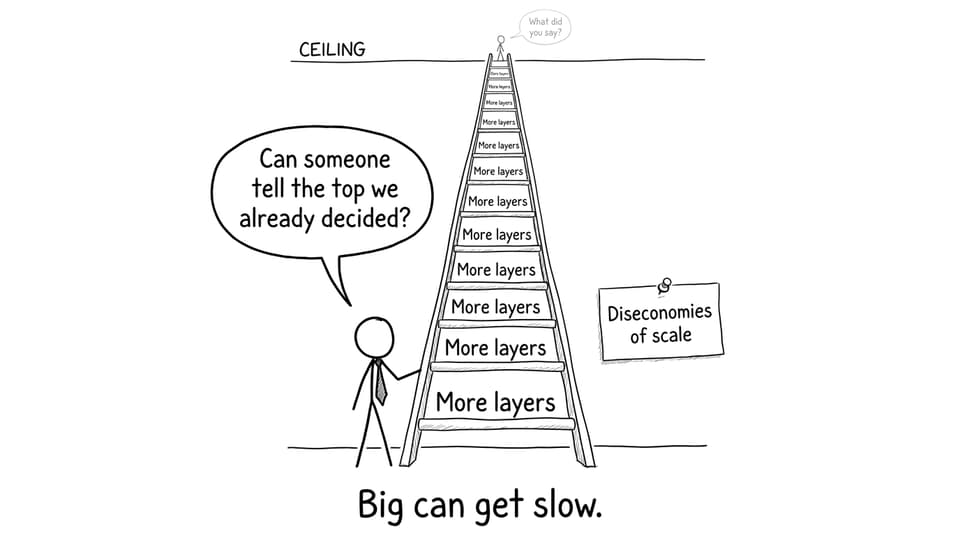
Finally, small can be faster. Bigger firms risk diseconomies of scale: communication problems, bureaucracy, and slower responses.
If you want a clear standalone refresher, read What Are Economies of Scale, and Why Do They Matter? and What Are Diseconomies of Scale?.
Turning this into marks (Paper-ready)
A strong IB Business Management paragraph usually goes: define, apply, analyze, evaluate.
If the question is “Why might a business choose to expand?”, don’t stop at listing reasons. Add a condition:
-
“Expansion is attractive if the firm can secure finance without harming liquidity.”
-
“Staying small is strategic if differentiation depends on personalized service.”
To structure 10-mark responses, use Understanding the IB Business Management 10 Marker Rubric.
Conclusion: your exam advantage
The real lesson in IB Business Management is that both paths can succeed when chosen intentionally. Businesses expand when scale improves cost, resilience, or competitive power. Businesses stay small when control, niche value, and flexibility are the real advantage.
If you want to turn this into consistent marks, RevisionDojo is built for it: Study Notes for clarity, Flashcards for definitions, Questionbank for application, AI Chat and Grading tools for feedback, Predicted Papers and Mock Exams for timed pressure, plus a Coursework Library and Tutors when you want human guidance. Start from the IB Business Management Resources hub and practise making every point decision-focused.