


When a firm is small, everyone seems to know what everyone else is doing. A request gets answered in minutes. A mistake gets spotted quickly. But in IB Business Management, you learn that growth doesn’t just add output, it adds distance. And sometimes that distance shows up as higher average costs per unit.
Diseconomies of scale happen when a business grows so large that its average costs rise rather than fall. In exam terms, it’s the turning point where “bigger” stops being efficient and starts becoming expensive.
Quick exam checklist for diseconomies of scale (IB-ready)
-
Define diseconomies of scale: rising average costs as output grows.
-
Explain causes: communication, coordination, bureaucracy, motivation, duplication, logistics.
-
Link to outcomes: inefficiency, delays, waste, reduced competitiveness.
-
Add a mini example (real firm or case study context).
-
Finish with a judgement: how could the firm reduce them?
If you want the syllabus-aligned version, start with 1.5.1 Internal and External Economies and Diseconomies of Scale and the matching 1.5.1 Notes.
What causes diseconomies of scale in IB Business Management?
Poor communication (the “telephone game” problem)
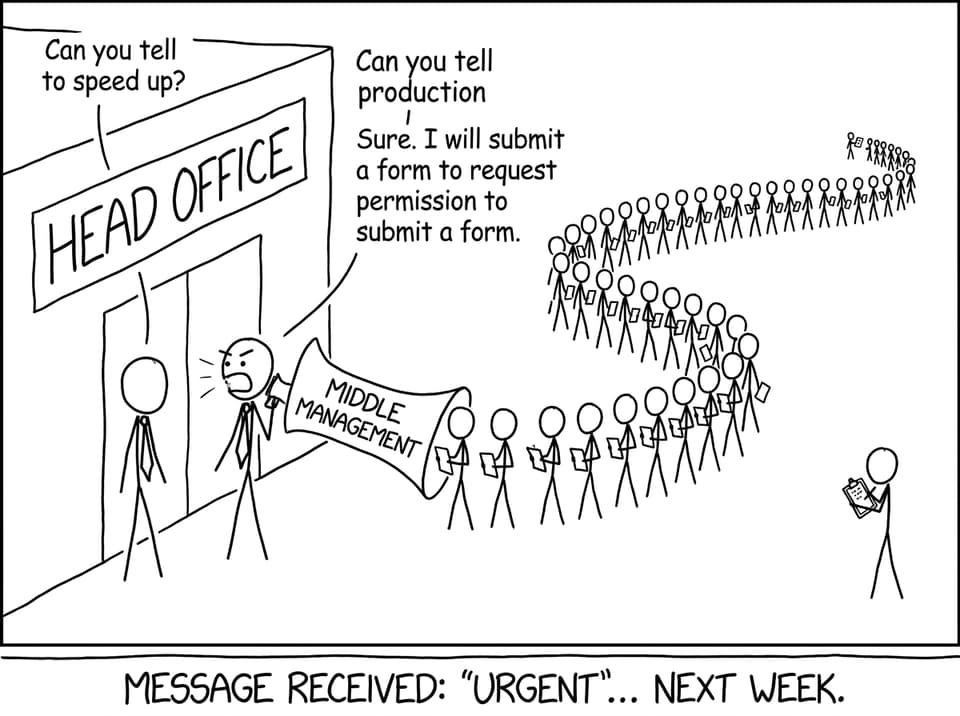
In a growing organisation, messages travel through layers: team leaders, middle managers, department heads, directors. Each layer can delay, filter, or distort information. The result is simple: slower decisions and more errors. In IB Business Management, you can link this directly to higher costs through mistakes, rework, missed deadlines, and inefficient use of labour.
Coordination breakdowns across departments and locations
Large firms often split tasks into specialised teams, which is efficient until the teams stop aligning. Production might increase output while marketing demand forecasts are outdated. Purchasing might negotiate bulk inputs that operations can’t store. Coordination failures create idle time, excess inventory, and resource waste, all raising unit costs.
Bureaucracy and slower decision-making
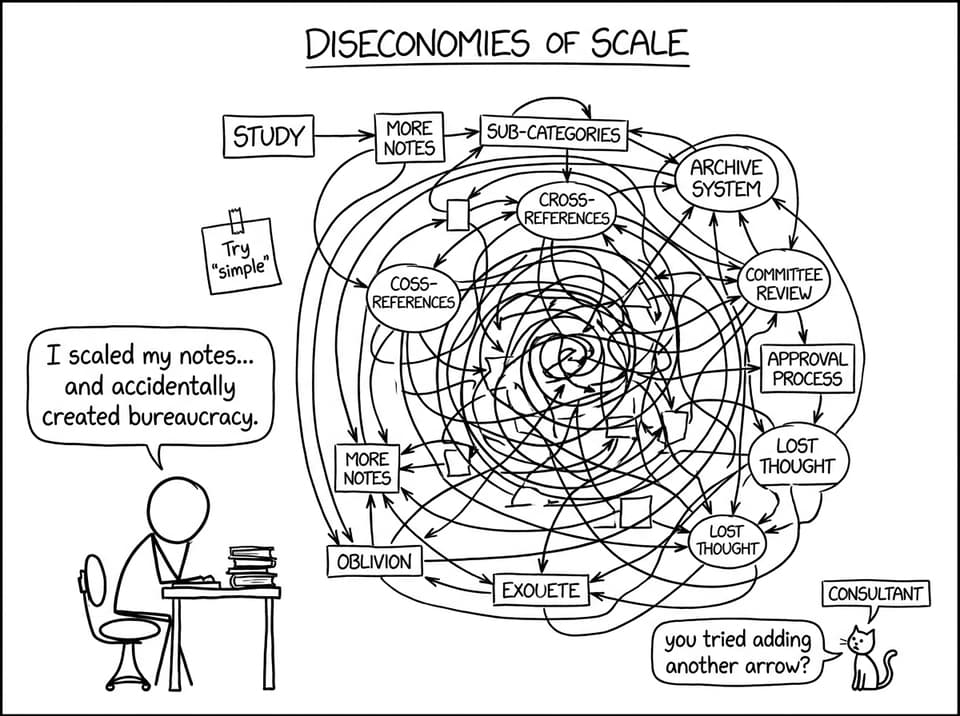
Rules exist for control. But when approvals multiply, the organisation spends more time “managing itself” than serving customers. This is a classic internal diseconomy: higher administrative overheads, slower responses to competitors, and reduced flexibility. It’s also a great evaluation point in exam answers: some bureaucracy reduces risk, but too much reduces speed.
Motivation problems in very large workforces
In smaller firms, effort is visible and recognition is personal. In huge firms, workers may feel anonymous. Lower motivation can reduce productivity and increase absenteeism or staff turnover (which raises recruitment and training costs). If you’re revising HR links, connect this to motivation theory and organisational culture.
Duplication of roles and repeated work
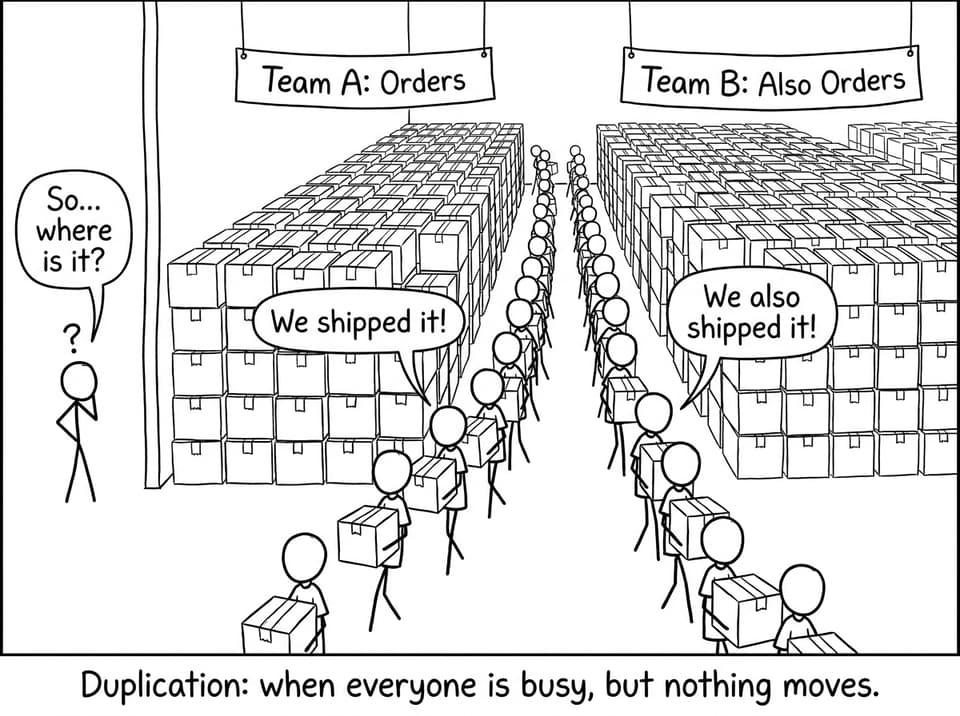
As firms expand, overlapping teams can quietly form: two departments running similar reports, multiple managers approving the same process, parallel support functions. Duplication looks “busy,” but it is cost without additional value.
How to write this for IB exams (without going generic)
Examiners reward you for moving from definition to impact. One clean approach is: define diseconomies of scale, pick two causes, then show how each cause raises average cost. Finish with a practical fix (restructure, decentralise, invest in IT systems, improve culture).
To strengthen your writing, borrow precise vocabulary from IB Business Management Key Definitions and practise applied questions using the IB Business Management 3.3 Costs and Revenues topic.
For broader revision support, the best hub is IB Business Management Resources, and for strategy on marks and structure, use How to Maximize Your Score in IB Business Management.
Conclusion: bigger isn’t always cheaper
In IB Business Management, diseconomies of scale are a reminder that efficiency is not guaranteed by size. Growth can spread fixed costs, but it can also spread confusion, delay, duplication, and disengagement. Your exam edge comes from explaining the mechanism: how complexity turns into rising unit costs.
To lock this in, revise the core theory with RevisionDojo’s 1.5 Growth and Evolution topic page, then practise application using the Questionbank, build recall with Flashcards, test explanations with AI Chat, and tighten exam phrasing with Grading tools. Add a Mock Exam when you’re ready to feel the time pressure, and you’ll recognise diseconomies of scale instantly, not eventually.


