



In the week before exams, it’s tempting to treat “development” like a statistic: GDP up, poverty down, problem solved. But in IB Global Politics, the story is messier. Development happens through choices, and the biggest chooser is still the state. Whether a country builds clinics or stadiums, protects workers or protects elites, invests in rural roads or urban skylines: these are political decisions with winners and losers.
If you can explain how states shape development outcomes, and why that power is limited, you’re already writing at a higher band in IB Global Politics.
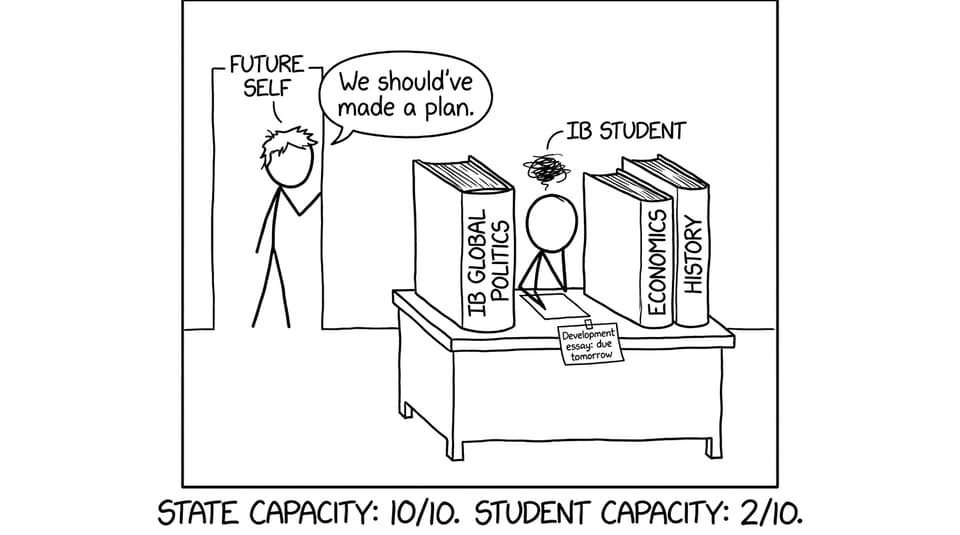
A fast checklist for exam answers (states and development)
Use this mini-plan when a question asks about the role of the state in development in IB Global Politics:
-
Define development (economic + human + political dimensions)
-
Explain two to three state roles (policy, public goods, regulation, governance)
-
Evaluate capacity and constraints (corruption, conflict, debt, global pressures)
-
Add one counterpoint (markets, NGOs, MNCs, IGOs)
-
End with a judgement (what conditions make states effective?)
For a broader content refresher, start with the IB Global Politics hub.
IB Global Politics: how states set development priorities
The first role is simple and quietly decisive: states decide what “progress” means. Budgets reveal values. When governments allocate spending across education, healthcare, infrastructure, and social welfare, they turn ideology into outcomes.
In IB Global Politics, this is where you can show evaluation: a state might pursue rapid economic growth while ignoring inequality, or it might prioritise inclusive human development that spreads opportunity. If you need the syllabus framing for this theme, use Development and Sustainability and the Aspects and Evaluation of Development and Sustainability notes.
States as providers of public goods (what markets don’t deliver fairly)
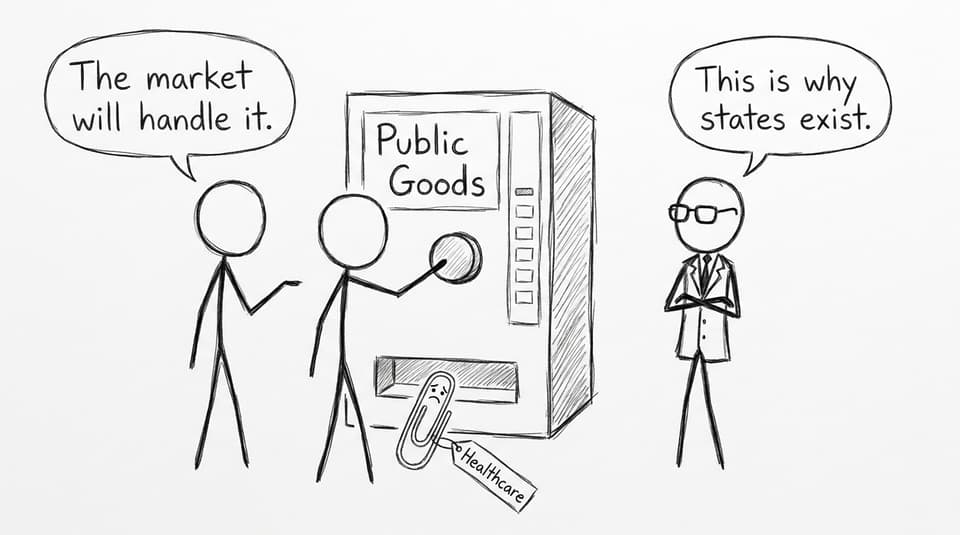
Some things don’t scale neatly through profit. Clean water systems, national vaccination programmes, basic schooling, safe roads, disaster planning: these are public goods where markets often underprovide or exclude the poorest.
In IB Global Politics, you can link this to legitimacy: when the state delivers, trust rises; when it fails, citizens look elsewhere (NGOs, informal networks, even armed groups). That’s why “capacity” matters as much as “intent.”
Regulation and economic management: the state as rule-maker
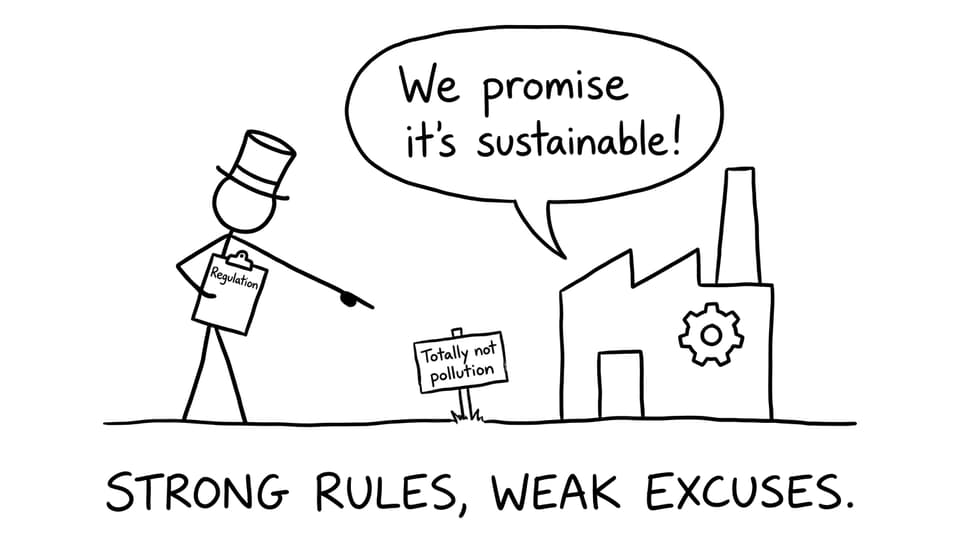
Development is not just about producing more; it’s about deciding what is acceptable in the process. States regulate labour rights, taxation, environmental standards, land use, and corporate behaviour. Strong regulation can prevent exploitation and protect long-term sustainability. Weak regulation can create growth that’s fast, unequal, and environmentally costly.
A useful extension is comparing state power to non-state power. Multinational corporations can boost jobs and investment, but outcomes depend on state rules and enforcement. See IB Global Politics: How MNCs Shape Development.
Governance, stability, and why development needs time
A school can be built in a month. A reliable education system takes decades. Stable institutions, rule of law, accountability, and predictable policy create conditions for investment and long-term planning. Conflict and corruption do the opposite: they interrupt projects, divert funds, and raise risk.
For concept language you can borrow in IB Global Politics, review The role of the state notes and connect it to development debates like IB Global Politics: Does Development Mean Inequality?.
Global cooperation: states don’t develop in isolation
States also shape development beyond borders: negotiating trade rules, joining intergovernmental institutions, giving aid, and responding to global crises. But power is uneven. Wealthier states and major lenders often set terms that constrain policy choices in less wealthy states.
That “unevenness” is a strong evaluation point in IB Global Politics: states are central actors, but their agency is limited by global economic pressures, debt burdens, and dependency patterns.
Conclusion: the state is the lever (but not the whole machine)
Development is shaped by who has authority, what they prioritise, and whether institutions can actually deliver. In IB Global Politics, the state remains the central lever: setting policy, providing public goods, regulating markets, sustaining governance, and negotiating internationally. But strong answers also show limits, including capacity gaps, corruption, conflict, and global constraints.
If you want to revise this theme efficiently, build your practice around RevisionDojo’s Questionbank, reinforce concepts with Study Notes and Flashcards, pressure-test arguments in Mock Exams, and tighten evaluation using AI Chat and Grading tools. When your examples and structure align, IB Global Politics questions on development become predictable, and that’s when marks start to feel predictable too.