
You notice it most on a Sunday night.
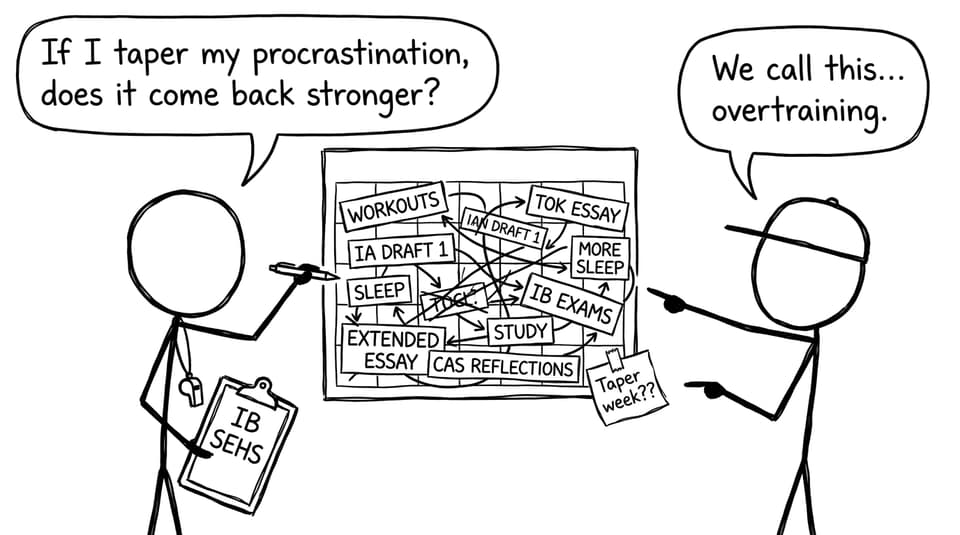
Your week looks like a training schedule that somebody spilled coffee on: IA data, TOK, two HLs, and a vague plan to “revise SEHS” somewhere between dinner and sleep.
If you study IB SEHS, this feeling is common. The subject rewards consistency, applied understanding, and exam-ready practice. But it also quietly punishes improvisation. Time management isn’t about becoming a productivity robot. It’s about building a system that keeps moving even when motivation drops.
This guide shares time management tips built specifically for IB SEHS students preparing for exams, with routines you can actually sustain.
Quick checklist for IB SEHS time management
Keep this simple. Your goal is a plan you can repeat.
-
Put every SEHS deadline (and non-SEHS deadline) into one calendar.
-
Break your IA into weekly “micro-milestones.”
-
Study IB SEHS in short time boxes (25-50 minutes).
-
Convert every topic into active recall (questions, flashcards, quick tests).
-
Do one timed practice block weekly to build exam stamina.
-
Protect sleep and recovery like they’re non-negotiable training.
If you want one hub that matches this workflow, start with the IB Sports, exercise and health science resources and treat it like your “home base” for notes, practice, and review.
Plan IB SEHS like a training cycle, not a to-do list
SEHS students already understand periodization. The mistake is not applying it to revision.
Think in three layers:
-
Macro (term): map IA checkpoints, mock windows, and exam weeks.
-
Meso (2-3 weeks): rotate topic focus (anatomy, biomechanics, nutrition, psychology) so nothing goes cold.
-
Micro (week): decide exactly when you will do practice questions, flashcards, and one timed section.
A practical start: open a Sunday planning slot (15 minutes) and copy deadlines into your calendar. Then pick two SEHS “anchors” you never skip: one recall session, one practice session.
For a broader system that works across subjects, borrow ideas from Best Time Management Techniques for IB Students in 2025 and adapt the blocks to your IB SEHS units.
Use labs as revision fuel (and future IA material)
A lab isn’t just something to finish. In IB SEHS, labs are an underrated shortcut: they turn abstract content into memories you can retrieve under pressure.
Right after a practical, spend 10 minutes doing three things:
-
Write the concept link (e.g., energy systems, fatigue, lever class, hydration).
-
Note one limitation and one improvement (instant evaluation practice).
-
Create 3-5 flashcards from what you just did.
This is where RevisionDojo’s Study Notes and Flashcards shine: you can verify definitions quickly, then lock them in with spaced repetition.
If you’re unsure how your topic connects to the syllabus, skim the Ultimate Guide to IB Sports, Exercise and Health Science (SEHS) HL and SL and use its structure to label your lab notes.
Make IB SEHS revision shorter with smarter study methods
Most time management problems are really method problems. If revision is passive, it expands forever.
Three methods consistently save IB SEHS students hours:
Time-box your effort (Pomodoro, but realistic)
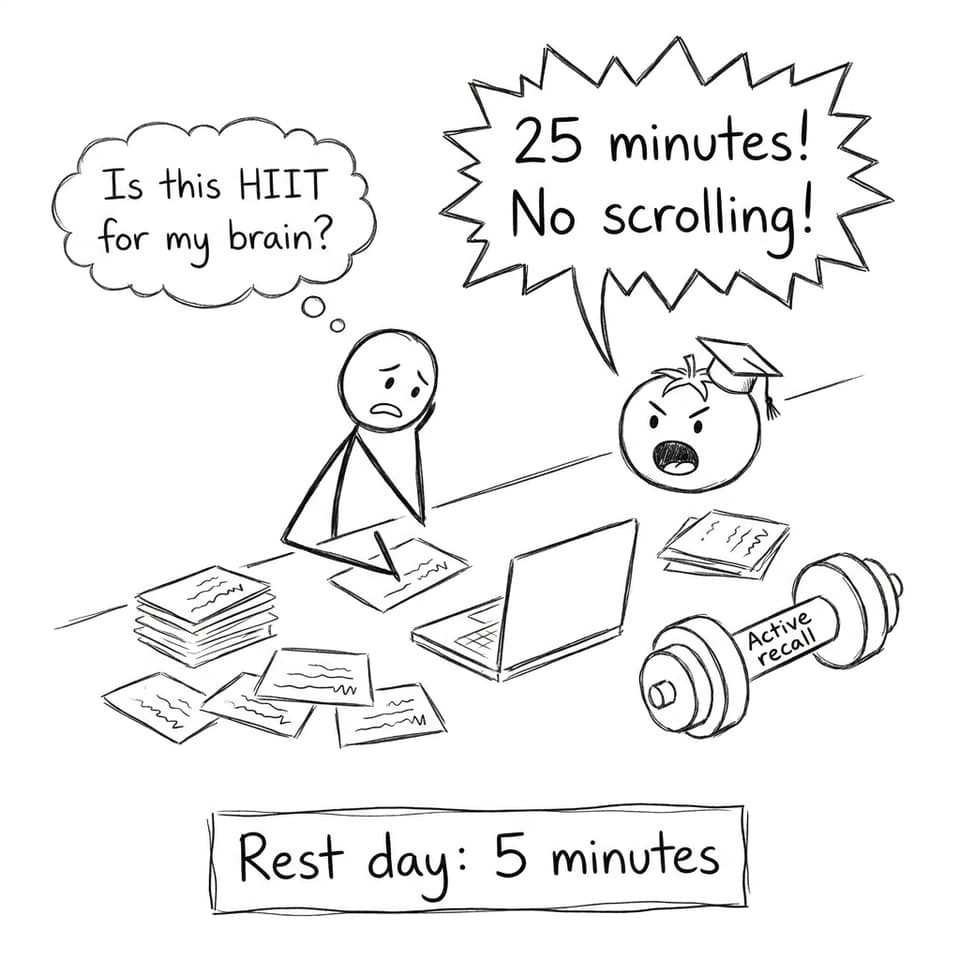
Set 25 minutes to do one task only: definitions, one subtopic, or 10 questions. Stop when the timer ends. This keeps revision from turning into “an all-night thing.”
Default to active recall
Instead of rereading, ask: “Can I explain this without looking?” Use RevisionDojo’s Questionbank to force retrieval, then use AI Chat to repair misconceptions immediately.
Use spaced repetition for high-yield content
IB SEHS is packed with terms and relationships. Spaced repetition with flashcards makes your revision durable, not just familiar.
For note systems that support this, see IB SEHS Note-Taking Tips That Actually Work.
Keep your IA from eating your entire timetable
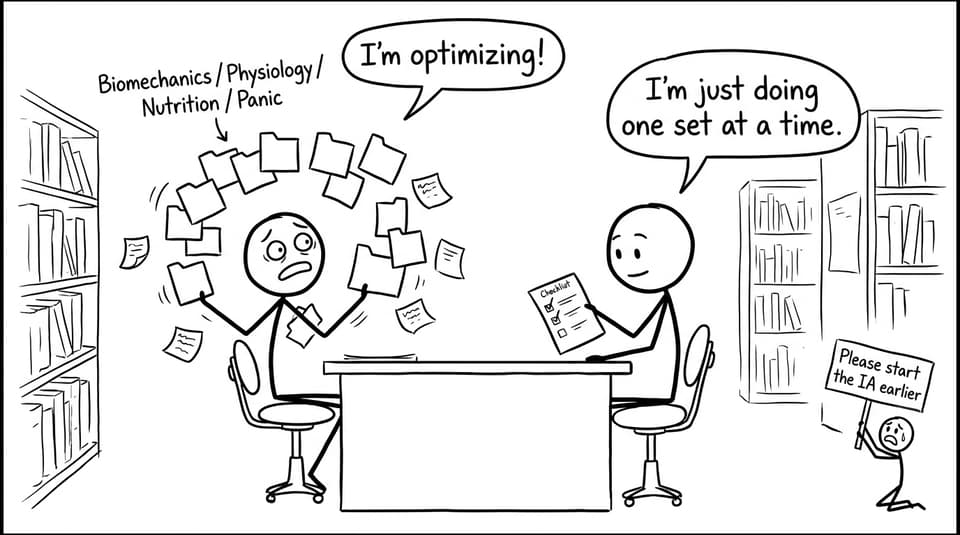
The SEHS IA becomes overwhelming when it’s treated like one giant task. Your schedule needs “next actions,” not “work on IA.”
Try this weekly IA rhythm:
-
Weekday 1 (20-30 min): clean your data table, fix units, add labels.
-
Weekday 2 (20-30 min): write one paragraph (method, variables, or evaluation).
-
Weekend (45-60 min): analysis and graphs, then tighten language.
When you need feedback, use RevisionDojo’s Grading tools early rather than late. The IB SEHS IA (2026 syllabus) Grader can keep you from burning hours rewriting the wrong sections.
If stats and evaluation slow you down, keep a tab open for How to Analyze SEHS Data Like a Pro so your “analysis session” doesn’t become a research spiral.
Balance IB SEHS with your other subjects (without guilt)
Many students pair IB SEHS with Biology, Chemistry, or Math. The secret is not equal time. It’s steady contact.
Use the “minimum viable week”:
-
2 short SEHS recall sessions (flashcards or definitions)
-
1 practice block (Questionbank)
-
1 timed mini-session every 7 days
That’s enough to keep momentum while your heavier subjects peak.
When you want extra structure for exam season, the workflow in RevisionDojo App: The Smarter Way to Prep for IB Exams is built for exactly this kind of multi-subject balance.
A calm finish: make IB SEHS feel manageable again
The best time management tip for IB SEHS is also the most boring: build a simple loop you can repeat.
Learn with Study Notes, remember with Flashcards, apply with the Questionbank, and test yourself under pressure with Mock Exams and Predicted Papers. When you’re stuck, use AI Chat. When coursework drifts, use the Grading tools. And if you need a human voice to steady the plan, RevisionDojo Tutors can help you stay on track.
Your schedule doesn’t need to be perfect. It just needs to keep you moving. And IB SEHS rewards students who keep moving.