
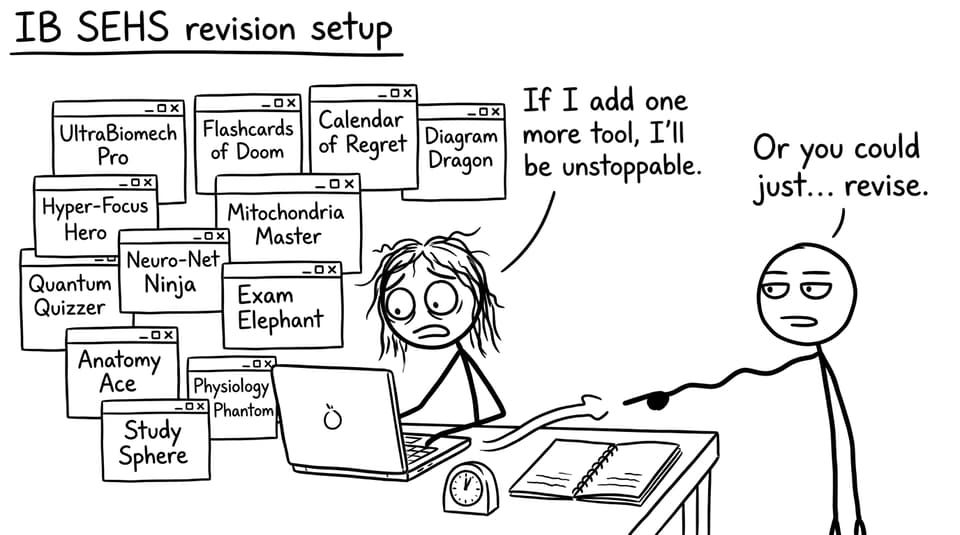
The night before a big test, most IB SEHS students do the same thing: open every tab they’ve ever used, promise themselves “this time I’ll be organized,” and then lose 40 minutes to rearranging headings.
The frustrating part is that it feels productive. But IB SEHS isn’t won by collecting tools. It’s won by using a few resources so consistently that your brain starts to trust your routine.
This guide is a calm, exam-focused shortlist: the best tools and resources for IB SEHS students who want higher marks with less chaos.
A quick IB SEHS toolkit checklist
If you want a simple setup that works for IB SEHS, start here:
-
One place for deadlines and weekly planning
-
One system for active recall (flashcards)
-
One source of syllabus-aligned notes
-
One place for exam-style practice questions and feedback
-
One workflow for timed practice (mock exams and predicted papers)
-
One method for lab/IA data and analysis
The point is not perfection. The point is repeatability.
Planning tools that stop last-minute panic
IB SEHS has a sneaky workload: labs, write-ups, and theory revision all stack up quietly. A planner is less about being “productive” and more about reducing decision fatigue.
Use a digital calendar (Google Calendar) for fixed deadlines and a weekly board (Notion, paper planner, or a simple checklist) for what you will do this week.
A helpful rule: if a task takes more than 45 minutes, split it. “Revise energy systems” becomes “Flashcards: ATP-PC facts” and “10 questions on lactate threshold.” Small tasks get done.
To keep your revision anchored to the syllabus, it helps to choose one home base and return to it daily, like the main IB Sports, exercise and health science resources page.
Flashcards and active recall (the memory engine)
In IB SEHS, terminology is everywhere: movement patterns, training principles, psychological models, nutrition concepts. Rereading feels safe, but it rarely builds retrieval speed.
Flashcards do. They force active recall, which is exactly what exams demand.
You can build your own decks in Anki or Quizlet, but it’s even better when flashcards connect directly to what you’re studying and missing in practice. RevisionDojo’s Flashcards feature is designed for daily recall and spaced repetition, so you’re not guessing what to review next.
Practical tip for IB SEHS flashcards: make cards about “exam moves,” not just definitions. For example:
-
“State one limitation of BMI for athletes.”
-
“Explain why dehydration reduces performance (2 points).”
-
“Differentiate intrinsic vs extrinsic motivation with an example.”
Notes that are built for exam writing
Good IB SEHS notes do two things: they clarify a concept quickly, and they show how it appears in exam questions.
That’s why topic-structured notes are powerful, especially when you can move straight from learning to practice. For example, hydration and nutrition is a classic place where students memorize terms but lose marks in application. Studying from a focused page like Topic A.2 Hydration and Nutrition keeps you tight: concept, examples, then questions.
When you want fast summaries before a timed session, use condensed resources like RevisionDojo’s SEHS Cheatsheets. They’re especially useful for last-week “coverage” when you’re trying to reduce surprise.
Practice questions: where IB SEHS marks are created
Most IB SEHS students don’t struggle because they never studied. They struggle because their studying didn’t turn into exam behavior.
That conversion happens through exam-style questions, feedback, and repetition.
RevisionDojo’s Questionbank is built for this loop: pick a subtopic, do a set, get mark-scheme-aligned feedback, and track what needs work. You can also explore curated SEHS collections via All #IB SEHS posts when you want strategy guidance alongside practice.
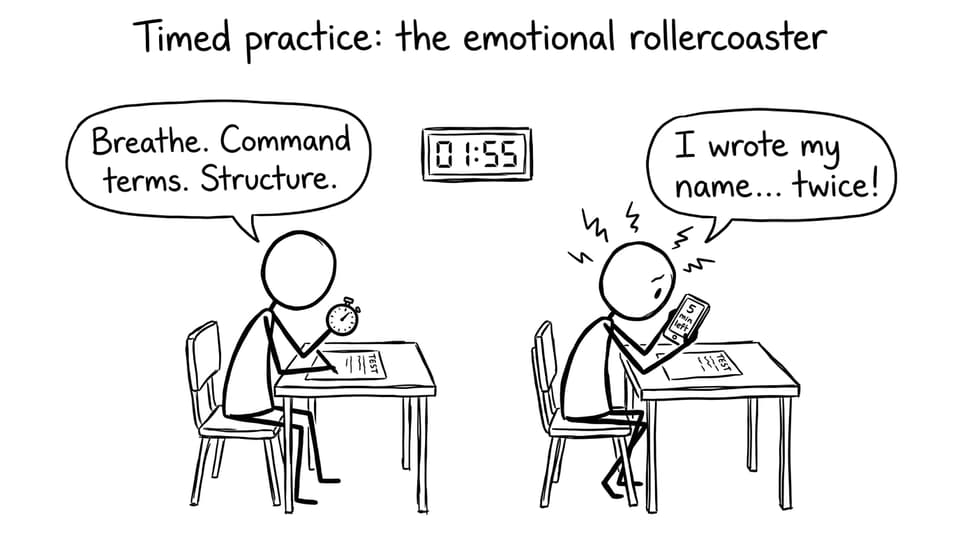
Once a week, graduate into pressure. Use timed sessions with Mock Exams and Predicted Papers to train pacing, not just knowledge. If you want a framework for using those effectively, the article IB Predicted vs Specimen Papers: What They Mean explains how to treat predictions as rehearsal, not prophecy.
Lab work and IA support: keep it simple, keep it clean
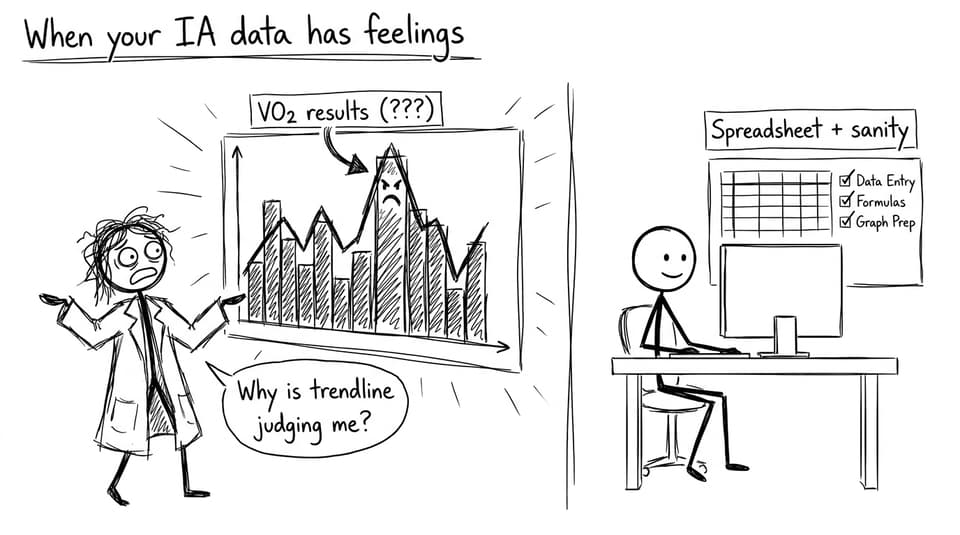
The easiest way to lower IB SEHS stress is to treat your lab work like future-you is a stranger you must help.
Use a single spreadsheet for raw data, clearly labeled columns, and a short “methods + limitations” note right after each practical. When it’s time to write, you won’t rely on memory.
For coursework feedback, use tools that shorten the guessing. RevisionDojo’s IB SEHS IA (2026 syllabus) Grader gives rubric-based, criterion-by-criterion guidance so you can improve deliberately instead of rewriting blindly.
If you learn best with worked instruction, RevisionDojo also offers step-by-step topic lessons like C.2 Motor learning lessons.
A simple weekly routine for IB SEHS exam prep
Here’s a routine you can actually keep:
-
Daily (15-25 min): IB SEHS flashcards (definitions + application prompts)
-
3x/week (45-75 min): one subtopic notes + one Questionbank set
-
Weekly (60-120 min): one timed block using mock exams or predicted papers, then review mistakes
If you need the “one place” version of this workflow, read RevisionDojo App: The Smarter Way to Prep for IB Exams. It connects Study Notes, Flashcards, AI Chat, Questionbank, Grading tools, Predicted Papers, Mock Exams, the Coursework Library, and Tutors into one repeatable loop.
Conclusion: fewer tools, better IB SEHS results
The best tools for IB SEHS are the ones you’ll still use on a tired Tuesday: a simple planner, consistent flashcards, clear notes, and exam-style practice with feedback. When you build that loop, you stop “revising” and start training.
If you want one home base for IB SEHS that includes Study Notes, Flashcards, a Questionbank, AI Chat, Grading tools, Predicted Papers, Mock Exams, a Coursework Library, and Tutors, start with RevisionDojo’s IB SEHS resources and turn your next study session into a system you can repeat.