



It is reasonable to feel unsure about helping with an Internal Assessment built around programming. You may not know Python from Java, while your child appears to be speaking in error messages. The reassuring answer is that you do not need to understand the code.
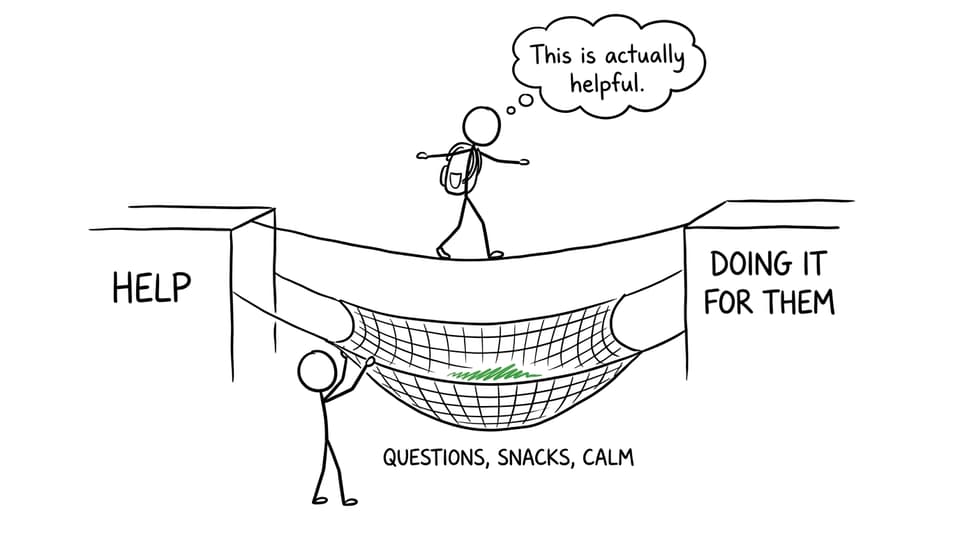
Supporting IB Computer Science IA work means helping your child manage the process: clarifying the problem, setting realistic milestones, testing consistently, documenting decisions, and seeking authorized feedback. Your role is to create structure and ask useful questions without designing, coding, or rewriting the solution.
That distinction matters. A parent does not need to become a computer scientist. They need to help a young computer scientist keep moving.
A quick parent checklist
Use this checklist before worrying about technical details:
- Confirm which Computer Science syllabus and assessment guide applies to your child's examination session.
- Ask for the school's internal milestones, not only the final deadline.
- Encourage a problem that is meaningful, manageable, and approved by the teacher.
- Protect two or three regular work sessions each week.
- Ask your child to explain decisions rather than showing you polished screens.
- Encourage frequent testing and careful records of changes.
- Direct subject-specific questions to the teacher or an appropriate tutor.
- Never write documentation, create code, or make assessed decisions for your child.
The most effective support is usually quiet and consistent. Large rescue attempts near the deadline are less useful than small weekly conversations months earlier.
Understand what the Computer Science IA requires
For students taking the syllabus with first assessment in 2027, the IB calls the IA the computational solution. The student develops a solution to a real-world problem of their own choosing using computational thinking and skills acquired during the course.
The official IB subject brief allocates 35 teaching hours to this component. It contributes 30% of the final grade at Standard Level and 20% at Higher Level. The current assessment uses five criteria covering problem specification, planning, system overview, development, and evaluation.
Requirements changed for the first-assessment-2027 course, so online advice written for earlier cohorts may describe a different process. If your child is completing an earlier examination session, use the guide supplied by the school. In every case, the teacher and IB coordinator should be the final authorities on deadlines, permitted feedback, file requirements, and the applicable rubric.
Parents can become familiar with the broad process through RevisionDojo's IB Internal Assessment guides. The goal is not to mark the work at home. It is to understand why planning, evidence, testing, and reflection matter alongside functioning code.
Help your child choose a manageable problem
A strong project starts with a problem, not with an impressive technology.
Students sometimes reverse this order. They decide they want to use machine learning, build a complex app, or learn an unfamiliar framework, then search for a reason to use it. Ambition feels productive at the beginning. Later, it can produce an unfinished system and thin documentation.
Ask plain-language questions:
- Who experiences this problem?
- What does the proposed solution need to make easier or more reliable?
- How will you know whether it works?
- Which features are essential?
- What could be removed if time becomes tight?
- Has your teacher confirmed that the scope is appropriate?
These questions do not supply an assessed answer. They help the student expose assumptions and define boundaries. A modest solution that is fully developed, tested, and evaluated can provide better evidence than a grand idea that never becomes dependable.
RevisionDojo's IB Computer Science resources can help students revisit concepts when their chosen solution reveals a knowledge gap. Its Study Notes, lessons, and Flashcards support understanding without replacing the student's project decisions.
Turn one intimidating deadline into visible milestones
An IA often feels difficult because several different jobs are hidden inside one label. There is problem definition, planning, design, programming, testing, evidence collection, documentation, evaluation, and final file preparation.
Help your child translate the school deadline into smaller checkpoints. The exact dates should follow the teacher's schedule, but a working plan might include:
| Milestone | A useful parent question |
|---|---|
| Problem and scope approved | What has your teacher approved, and what remains uncertain? |
| Requirements defined | How will you decide whether the solution succeeds? |
| Design and plan prepared | What are you building first, and why? |
| Core functionality working | Which essential feature can you demonstrate today? |
| Testing under way | What failed, and what did that teach you? |
| Documentation developing | Where have you recorded your decisions and evidence? |
| Evaluation drafted | Which requirements were met, partly met, or not met? |
| Submission checked | Are the required files complete and correctly formatted? |
Put these checkpoints on the same family calendar as tests, activities, and other coursework. A balanced IB study schedule can prevent the project from consuming every evening while still protecting steady progress.
Ask for demonstrations, not technical reports
You can support the project even if you cannot read the source code. Every week or two, ask your child to demonstrate the latest working version in ordinary language.
Useful prompts include:
- What can the system do now that it could not do last week?
- What breaks if a user enters something unexpected?
- Which part took the most thought?
- What evidence are you keeping for the final documentation?
- What will you test next?
Explaining a system to a non-specialist is revealing. If the student cannot describe what a feature is meant to accomplish, the underlying idea may still be unclear. If a demonstration repeatedly fails, that is not automatically a crisis. It is information arriving early enough to be useful.
Encourage version control, backups, meaningful file names, and a simple record of changes. Ask whether the school has required or recommended tools for storing code. The important habit is traceability: the student should be able to understand how the solution evolved rather than depending on one fragile final file.
Protect testing and evaluation time
Programming has an emotional trap: once the main screen works, the project can feel nearly finished. Often it is not.
Testing should examine normal use, boundary conditions, invalid input, and interactions between features. The student also needs time to interpret results, correct defects where appropriate, and evaluate the solution honestly against defined success criteria.
Parents can help by volunteering as ordinary users if the teacher permits it. Do not suggest the technical fix. Instead, follow the student's test instructions, describe what happened, and let the student determine what the evidence means. Confirm the school's rules before participating in any assessed testing process.
Evaluation should not become a victory speech. A thoughtful evaluation distinguishes between what works, what remains limited, and which improvements would matter most. That requires time after development rather than an exhausted paragraph written on submission night.
Know the academic-integrity boundary
The IB's academic integrity guidance gives parents a meaningful but limited role. Parents can support manageable workload planning, discuss expectations, model honest practice, and help students understand school policies. They should abstain from giving or obtaining unauthorized assistance.
In practical terms, you may ask your child to explain a paragraph, remind them to check citations, or encourage them to compare their evidence with the rubric. You should not rewrite the paragraph, produce code, design algorithms, or tell them exactly what assessed conclusion to make.
The same principle applies to AI. Students should follow their school's current policy, disclose its use when required, and never submit generated material as their own work. RevisionDojo's guide to studying ethically with AI tools and its advice on parental support for IB academic integrity can help families set clear boundaries.
Recognize when your child needs more help
A stuck student does not always need more hours. They may need a better question.
Encourage contact with the teacher when the scope keeps changing, essential functionality remains unresolved, rubric expectations are unclear, or the student is unsure whether outside assistance is permitted. A qualified Computer Science tutor can help explain concepts and debug the student's thinking, provided the student retains authorship and the support follows school rules.
When examinations are approaching at the same time, separate coursework support from revision. RevisionDojo's Computer Science Questionbank and Computer Science Flashcards can reinforce syllabus knowledge without turning the IA into an all-purpose revision task. Mock Exams and Predicted Papers can then support timed preparation once the project milestones are under control.
Use subject-specific feedback without taking over
The hardest parent question is often simple: “How can I help when I do not understand this subject's IA?”
RevisionDojo provides a practical answer. Students can submit their own draft to the IB Computer Science IA Grader for Computer Science-specific, criterion-aligned feedback. The wider Coursework Grader provides annotations and structured next steps, while AI Chat can help students understand feedback rather than merely collect it.
This feedback is guidance, not an official grade, and it should always be checked against the teacher's instructions and the correct syllabus. The student must decide how to revise and must write every submitted part themselves. Used this way, RevisionDojo's Grading tools, IA structure guides, Coursework Library, Tutors, Questionbank, Study Notes, Flashcards, AI Chat, Mock Exams, and Predicted Papers form one connected IB resource rather than a last-minute shortcut.
The best support creates independence
Supporting IB Computer Science IA work is not about knowing the programming language. It is about making sustained, honest work easier to continue.
Help your child define the next milestone. Ask them to demonstrate progress. Protect time for testing. Keep teacher communication open. Stay firmly on the right side of authorship.
Then let the solution remain theirs. That ownership is not an obstacle to good support. It is the purpose of it.
For a calm next step, review the school timeline together and let your child run their current draft through RevisionDojo's subject-specific IA structure and feedback tools. One clear action is often more valuable than another evening of anxious supervision.