
It usually hits at the worst moment: you finish a practice task, stare at your score, and your brain immediately asks the same question: “Is this a 6… or a 4?” In Spanish B SL, that tiny gap between “good” and “great” often comes down to knowing what the grade boundaries are trying to tell you: not your destiny, but your direction.
Below is a clear, student-friendly guide to IB Spanish B SL grade boundaries 2025, plus practical ways to use them without letting them hijack your confidence.
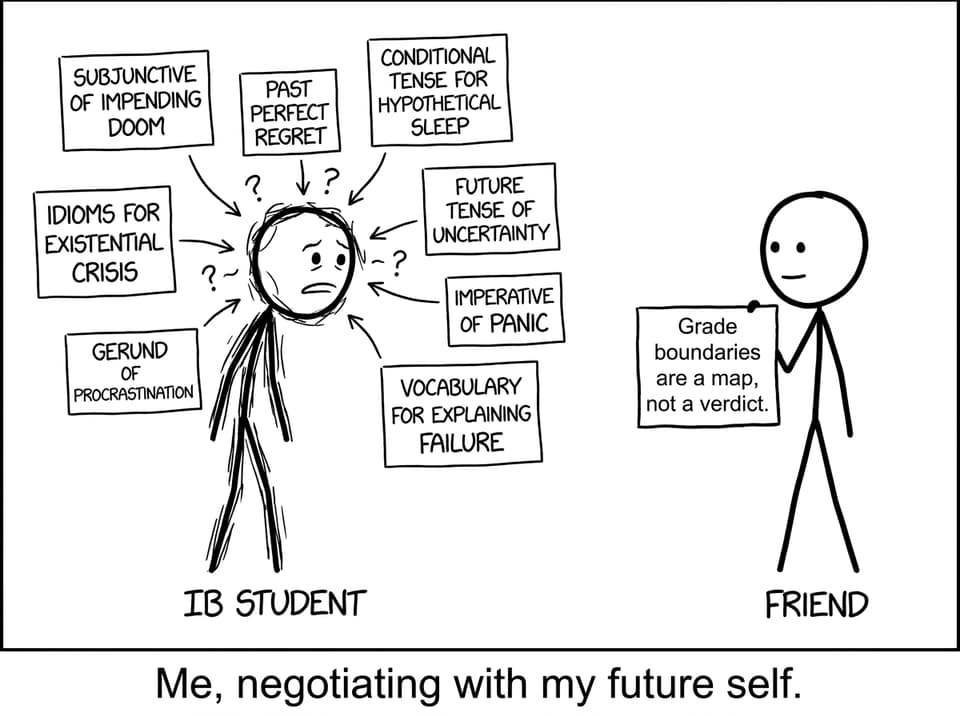
Quick checklist before you obsess over boundaries
-
Check which component you’re improving (Oral, Paper 1, Listening, Reading).
-
Convert your raw score into a boundary band (then stop there).
-
Pick one skill to lift by 3-5 marks (that’s often a whole grade shift).
-
Use targeted practice: Questionbank, Study Notes, Flashcards, and timed drills.
-
Run a reality check with the IB Grade Calculator.
For a wider comparison across subjects and sessions, use the IB Grade Boundaries hub.
IB Spanish B SL grade boundaries 2025 (by component)
These Spanish B SL 2025 ranges are the score bands you can use to set realistic targets during revision.
Internal Assessment (Oral) (out of 30)
-
Grade 7: 27-30
-
Grade 6: 22-26
-
Grade 5: 16-21
-
Grade 4: 11-15
-
Grade 3: 6-10
-
Grade 2: 3-5
-
Grade 1: 0-2
Paper 1 (out of 30)
-
Grade 7: 26-30
-
Grade 6: 22-25
-
Grade 5: 18-21
-
Grade 4: 14-17
-
Grade 3: 11-13
-
Grade 2: 6-10
-
Grade 1: 0-5
Paper 2 Listening (out of 25)
-
Grade 7: 17-25
-
Grade 6: 14-16
-
Grade 5: 11-13
-
Grade 4: 8-10
-
Grade 3: 6-7
-
Grade 2: 3-5
-
Grade 1: 0-2
Paper 2 Reading (out of 40)
-
Grade 7: 33-40
-
Grade 6: 29-32
-
Grade 5: 24-28
-
Grade 4: 20-23
-
Grade 3: 12-19
-
Grade 2: 6-11
-
Grade 1: 0-5
Final IB Spanish B SL grade boundaries (out of 100)
-
Grade 7: 79-100
-
Grade 6: 66-78
-
Grade 5: 52-65
-
Grade 4: 39-51
-
Grade 3: 25-38
-
Grade 2: 12-24
-
Grade 1: 0-11
If you want the official table view and trends, see IB Spanish Language B Grade Boundaries and IB Grade Boundaries 2025 Guide.
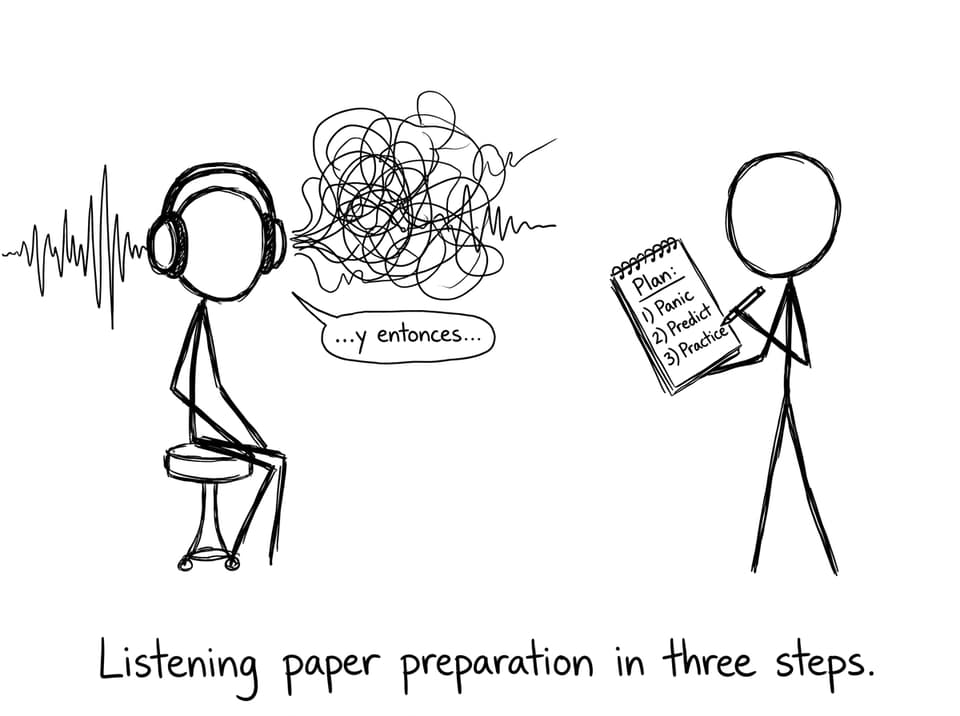
How to use Spanish B SL grade boundaries (without spiraling)
Grade boundaries are most useful when you treat them like a budgeting tool: they show where your marks are leaking.
If you’re sitting at, say, 21/30 in Paper 1, you don’t need “more Spanish” in general. You need one controllable upgrade: clearer paragraphing, cleaner register, and fewer avoidable grammar slips. That’s exactly what skill-based practice is for.
On RevisionDojo, you can build that upgrade loop fast:
-
Use IB Spanish B Resources to focus on the exact Paper and theme you’re revising.
-
Drill text types with IB Spanish B Paper 1 and the Paper 1 Notes.
-
Train comprehension with IB Spanish B Paper 2 Reading and Paper 2 Reading Notes.
And when you need feedback quickly, RevisionDojo’s AI Chat, Grading tools, and Mock Exams help you spot patterns you’ll miss on your own, especially under time pressure.
FAQ: IB Spanish B SL grade boundaries 2025
Do grade boundaries guarantee the same results in every school?
No, and that’s the point: grade boundaries are session-specific and reflect how the global cohort performed. Your school might grade practice work differently, or be stricter on accuracy, which can make your current mark feel “low.” But the boundary table still helps because it anchors your targets to the real assessment structure. Use boundaries to decide what to practice next, not to predict your final grade perfectly. If you want perspective across sessions, compare using the IB Grade Boundaries hub. In Spanish, consistency beats guessing.
What’s the fastest way to move up one grade band in Spanish B SL?
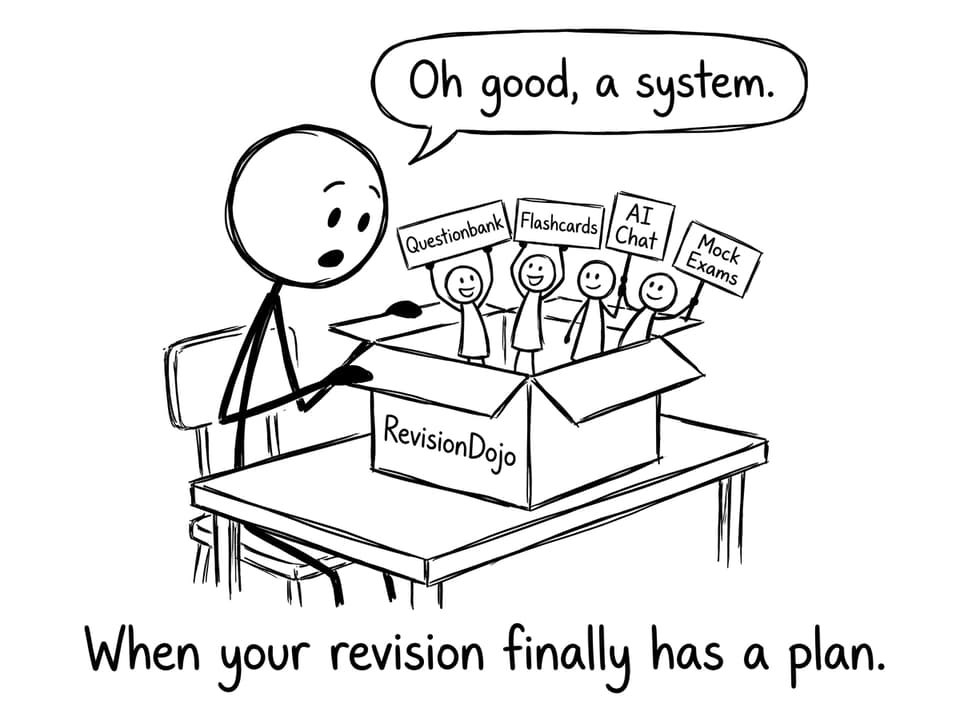
Usually it’s not “learning more vocabulary” randomly; it’s getting reliable at exam decisions. For Paper 1, lock in a repeatable text-type structure and proofread for your personal errors. For Listening, practice predicting content and noting signpost phrases instead of chasing every unknown word. For Reading, train skimming, then answering with evidence from the line that proves your choice. RevisionDojo makes this faster by combining Study Notes, Flashcards, and Questionbank practice into one loop. If you get stuck, a Tutor can help you diagnose what’s actually holding your marks back.
How should I prepare for the Spanish B SL Oral (IA) using boundaries?
The IA boundaries remind you the Oral is mark-rich, but only if you build control under pressure. Aim to sound clear, not perfect: simple sentences with accurate tenses often score better than complicated ones with errors. Prepare flexible “move phrases” to shift between description, opinion, and cultural connection, so you don’t freeze when the discussion turns. Record yourself, then re-record with one improvement goal (better connectors, stronger examples, cleaner pronunciation). Use RevisionDojo’s AI Chat to simulate follow-up questions, and the Coursework Library to see what strong examples look like. In Spanish, the best Oral often feels like calm storytelling, not memorised performance.
Final thoughts: boundaries are targets, not labels
The healthiest way to read IB Spanish B SL grade boundaries 2025 is simple: pick the band you want, find the smallest gap, and train the skill that closes it. Then repeat.
When you’re ready to make that training feel organised, not chaotic, use RevisionDojo’s Predicted Papers, Mock Exams, Grading tools, and Questionbank to build a plan you can actually follow, and a Spanish grade you can actually trust.