
Starting the IB Diploma can unsettle the whole household. A student who once seemed organised may face unfamiliar grading, overlapping deadlines and faster-moving subjects. Parents often see the strain before they understand its cause.
Raise IB school concerns when a problem persists, affects wellbeing or access to learning, involves unclear school processes, or continues after your child seeks help. For ordinary difficulties, help your child prepare their own conversation with a teacher first.
The goal is proportionate support: helping a young person speak for themselves while recognising when adult involvement becomes necessary.
A quick parent checklist
Before contacting the school, ask:
- Is this a one-off frustration or a recurring pattern?
- Is it affecting sleep, attendance, eating, health or daily functioning?
- Does my child understand the task, deadline and grading method?
- Have they asked the relevant teacher for clarification?
- What practical outcome do we want?
- Is there an immediate safety, safeguarding or serious health concern?
The final question changes everything. If your child may be unsafe, talks about self-harm or needs urgent medical support, do not wait for a routine meeting. Use the school's urgent safeguarding route and contact an appropriate local health or emergency service.
Urgency and importance are not the same. A confusing instruction may matter greatly without requiring immediate escalation; a safeguarding concern may require action even before every detail is known. Decide first whether the issue needs action today, this week or after another student-led attempt. That simple distinction prevents both delay and panic. It also helps the school understand the response you are requesting.
Understand what is normal at the beginning of IB
New students learn subject content and the architecture of the Diploma Programme simultaneously. They encounter six subjects alongside Theory of Knowledge, the Extended Essay and Creativity, Activity, Service. Schools also set internal coursework deadlines.
A disappointing first mark, unclear assignment or demanding week does not automatically indicate school failure. Early feedback can show where a student's approach needs to change before higher-stakes work arrives.
Ask calm questions:
- “What did the teacher suggest improving?”
- “Which part of the task is unclear?”
- “Who could you ask tomorrow?”
This is support without doing the work: providing structure and perspective while the student retains ownership. Look for whether feedback leads to a workable next step, not whether every early result matches previous grades.
Know when a concern has crossed the line
Distinguish difficulty from dysfunction. Difficulty belongs in a demanding programme. Dysfunction means something prevents the student from learning, functioning or accessing fair support.
| What you observe | Appropriate next step |
|---|---|
| One unclear task or disappointing result | Help your child ask the subject teacher |
| Repeated confusion despite seeking help | Request clarification from the teacher |
| Several deadlines without a workable plan | Contact the adviser or IB coordinator |
| Sustained sleep loss, panic or school avoidance | Contact the counsellor and coordinator |
| Unclear accommodations or access arrangements | Contact the relevant support lead |
| Bullying, discrimination, harassment or unsafe conduct | Use the school's appropriate reporting route |
| Unresolved grading or policy concerns | Follow the school's escalation process |
Look for changes from your child's normal pattern: repeated headaches before school, abandoned activities, missed lessons or nights routinely sacrificed to work.
Patterns are easier to assess when they are recorded simply. For one or two weeks, note missed lessons, unusually late nights, repeated physical complaints, deadline clashes and requests for help. Do not turn this into surveillance or a case against the school. The purpose is to distinguish a difficult day from a developing pattern and to give staff usable context. A small timeline often produces a better conversation than broad statements such as “everything is going wrong”.
Guidance on helping a child manage IB stress can help you begin the conversation. Your role is to notice and listen, not diagnose. Ask what has changed and involve qualified support when needed.
Let your child speak first when they can
Learning to ask for clarification is part of education. For lower-level concerns, help your child prepare a message explaining:
- What happened, described factually.
- What they have already tried.
- What remains unclear.
- What help they are requesting.
For example: “I reviewed the feedback and task criteria, but I still do not understand how to improve my analysis. Could we discuss one paragraph after class?”
That gives the teacher something more concrete than “The marking is unfair.”
When a student feels unheard by teachers, validate their feelings without assuming their first interpretation is complete. Gather examples and prepare questions together.
Parents should lead sooner when distress prevents communication, a power or safety issue exists, or previous student-led attempts have produced no meaningful response. Independence should be supported, not used as a reason to leave a struggling student alone.
Contact the right person at school
Begin with the person closest to the issue:
- Subject teacher: instructions, feedback and classroom learning.
- Extended Essay or coursework supervisor: expectations, milestones and supervisory guidance.
- Adviser or homeroom teacher: patterns across subjects.
- IB coordinator: programme requirements, cross-subject workload and unresolved procedural concerns.
- Counsellor or wellbeing lead: anxiety, attendance and emotional distress.
- Learning support lead: documented needs and agreed accommodations.
- Safeguarding lead or senior leader: urgent protection concerns or serious misconduct.
Staff titles and procedures vary. Check the parent handbook, assessment policy and complaints procedure rather than assuming every school follows the same sequence. For concerns spanning several teachers, the coordinator can help identify responsibility and bring information together.
Families entering the programme can use the IB parent onboarding guide to identify useful questions before difficulties accumulate. Knowing whom to contact early makes later conversations more focused.
Write a message that makes resolution easier
A useful school email is brief, factual and specific. Include the student's name, relevant dates, the impact, previous attempts to resolve the issue and your request.
For example:
Over the last two weeks, Sam has been uncertain about the Biology investigation and has asked for clarification twice. Sam is losing sleep and does not know which step to take next. Could you confirm the immediate priority and whether a brief meeting is possible this week?
Avoid diagnosing motives, comparing teachers or demanding a particular grade. Leave room for information you may not have.
At the meeting, confirm who will do what, by when, and when progress will be reviewed. Send a short written summary afterwards. Documentation creates a shared record; it need not signal confrontation. A clear action might be a clarified deadline, a feedback meeting or a coordinated workload plan.
A meeting can also reveal that the apparent problem has several causes. A student may misunderstand a criterion, fall behind after illness and then become too embarrassed to ask for help. In that case, the solution is not one dramatic intervention. It is a sequence: clarify the task, agree on a realistic recovery plan and check whether the student can follow it. Ask how success will be recognised. Observable signs, such as attending lessons, submitting the next milestone or sleeping more consistently, are more useful than a vague promise to “try harder”.
Escalate calmly when the first response is not enough
Escalate when the school misses its stated response timeframe, agreed action does not happen, the problem continues, or the issue requires formal handling.
Follow the published sequence, which may move from teacher to department leader or coordinator, then senior leadership and the formal complaints process. Safeguarding concerns need the dedicated route immediately.
Keep dates, messages and agreed actions. Separate what you observed from what your child reported; both matter, but they are different information.
Academic integrity concerns need particular care. Parents can clarify instructions and support organisation, but should not write, rewrite or excessively edit assessed work. Ask the school where support ends and inappropriate assistance begins. Uncertainty calls for clarification, not hidden intervention.
Support the student without turning home into school
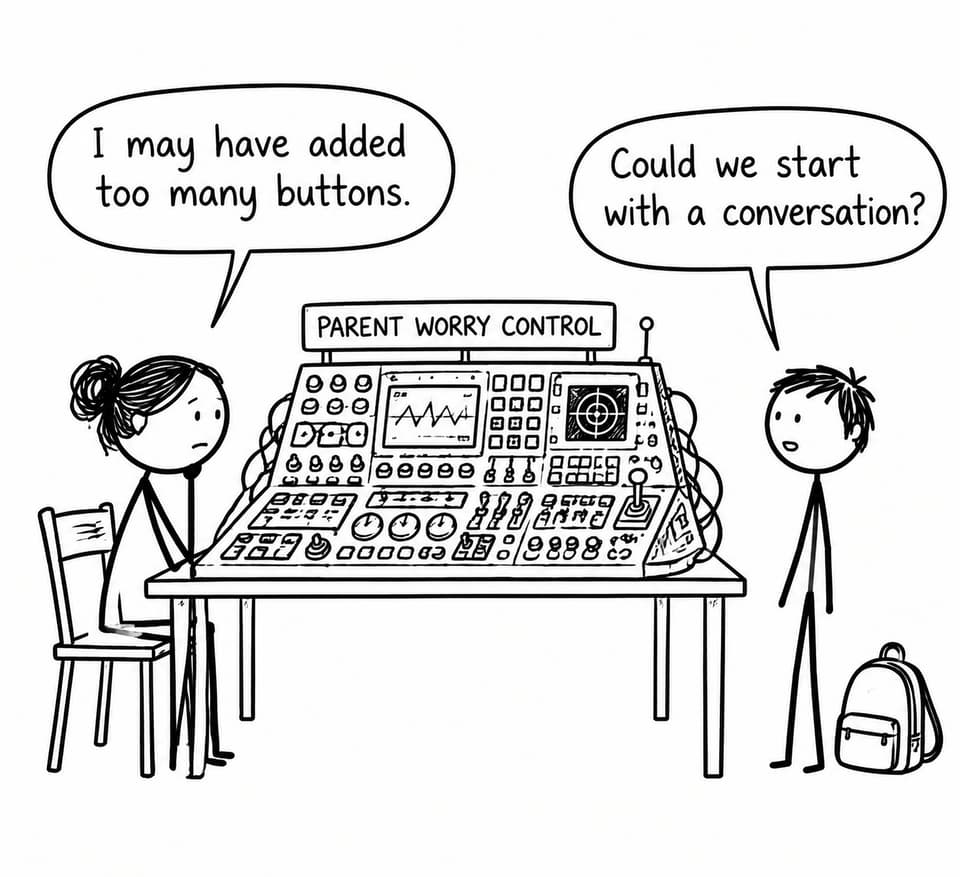
The most useful IB for parents approach is often environmental. Protect sleep, meals, movement and time away from work. Try one predictable weekly check-in instead of requesting updates every evening.
Ask what is due, which task feels unclear, whether sleep or attendance has changed, and what support would help rather than feel intrusive. Agree on when you will check back, so support does not become continuous surveillance.
RevisionDojo brings academic resources together: the Questionbank supports targeted practice; Study Notes, Flashcards and AI Chat support review and explanations. Grading tools provide practice feedback, while Predicted Papers and Mock Exams support exam rehearsal. The Coursework Library offers examples to examine without replacing original thinking, and Tutors provide human guidance.
Choose resources for a defined problem, not simply to add more work. An unclear concept needs explanation; difficulty applying it needs practice and feedback. The parent study support hub helps families explore support, while IB mental health guidance for parents keeps wellbeing central.
Step in with steadiness, not panic
Supporting IB students means noticing change and responding proportionately. Start with curiosity, let your child lead where possible, and ask the right person for a concrete next step. Escalate when necessary.
A good response addresses today's concern without taking away tomorrow's independence. RevisionDojo can support the study side of that balance, while teachers, coordinators and qualified wellbeing professionals address the issues that require school or specialist involvement. Keep those roles clear, and parental involvement becomes purposeful rather than constant.