


If you’re doing the IB, there’s a specific kind of loneliness that can show up even in a full classroom: you’re working constantly, you’re stressed constantly, and the adults in the room seem to respond with… more work.
It can feel like your teacher is speaking from a different planet. You’re thinking, I’m trying so hard, and they’re thinking, raise the standard. When that gap opens, it’s easy to assume the worst: “They don’t care,” “They don’t see me,” “I’m failing.”
This is where a parent can matter a lot, notnot by storming into school, but by helping you translate stress into clear signals, and clear signals into support.
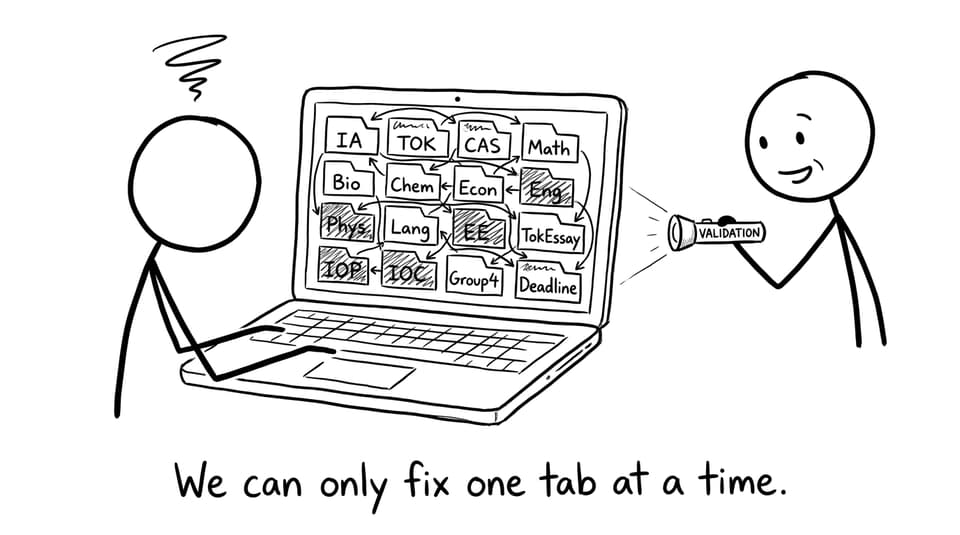
Quick checklist: what actually helps in IB when you feel unseen
-
Name the feeling before solving the problem (validation first).
-
Convert “they don’t understand” into one specific example.
-
Prepare one clear request (not a complaint).
-
Use a simple script for emails and in-person chats.
-
Escalate only after you’ve tried self-advocacy.
-
Build proof and confidence with structured practice tools.
If you need an academic system while you work on the human side, use RevisionDojo for IB as your baseline hub.
Why IB students feel teachers don’t understand
In the IB, teachers often see outcomes (grades, homework completion, class participation). Students feel inputs (hours studied, anxiety, brain fog, fear of disappointing people). Those are not the same data.
A few common reasons the gap grows:
-
Teachers are training you for the assessment standard. Their default mode can become “push,” even when you need “pause.”
-
You might be masking. Many IB students perform “fine” at school, then crash at home.
-
Communication gets fuzzy under stress. When you’re overwhelmed, it’s hard to explain what you need beyond “I can’t do this.”
-
Teachers are also under pressure. Not as an excuse, but as context: rushed feedback can sound colder than intended.
When you understand the dynamics, you stop treating it like a character flaw and start treating it like a communication problem you can solve.
How parents can support you without taking over
Validate first, then get specific
A parent’s most underrated power in the IB is to be calm when you’re not. The first move is not advice. It’s: “That sounds exhausting. Tell me what happened.”
Then you narrow it down. Instead of “My teacher hates me,” you find the moment: “I asked for clarification and they said ‘read the rubric’ and walked away.” That single scene becomes actionable.
If stress is already spilling over into burnout, this guide helps families spot it early: How can I talk to my teen about burnout before exams?
Help your child ask for help (in a way teachers can respond to)
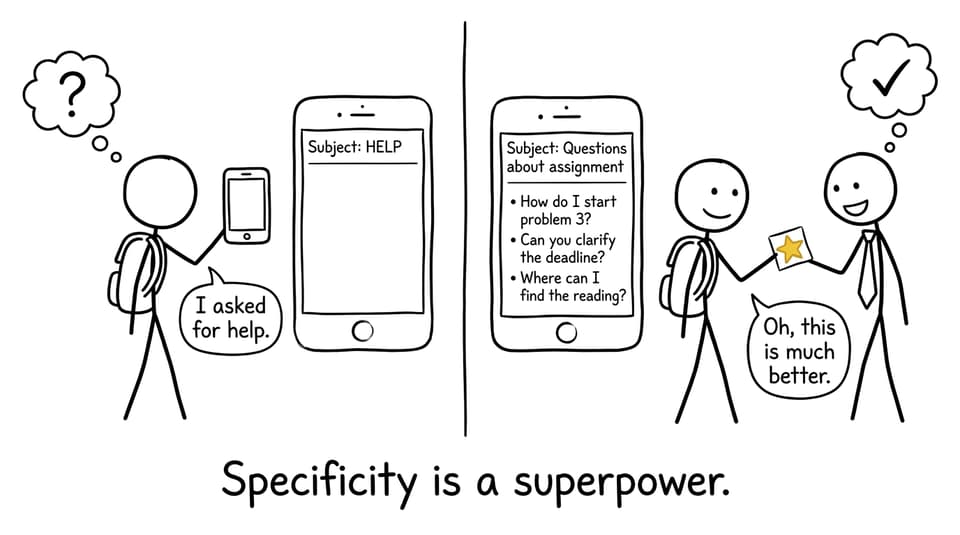
Teachers respond best to clarity. Parents can coach the clarity.
Try a three-part request:
-
What I’m struggling with: “I’m losing marks on evaluation.”
-
What I tried: “I reviewed the feedback and redid two questions.”
-
What I need: “Can you show me one model paragraph, or tell me the top two fixes?”
A deeper step-by-step for this conversation is here: How can I talk to my teachers about my mental health struggles?
Role-play the awkward parts
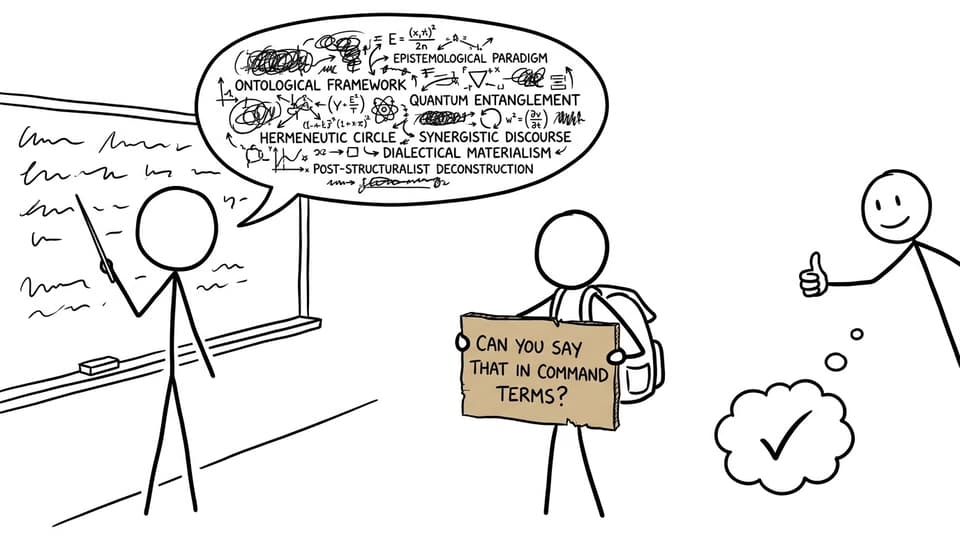
If you’re an IB student who freezes in front of authority, role-playing sounds silly until it works. Parents can play “teacher” for three minutes.
Practice:
-
The opening sentence.
-
The one concrete example.
-
The one request.
-
The closing: “Thank you, I’llI’ll try that and update you next week.”
That last line matters because it signals maturity, and it makes teachers more willing to invest.
Build independent confidence with a study system
Sometimes “my teacher doesn’t understand” is partly “I don’t trust my own prep.” Confidence grows when your practice is structured and measurable.
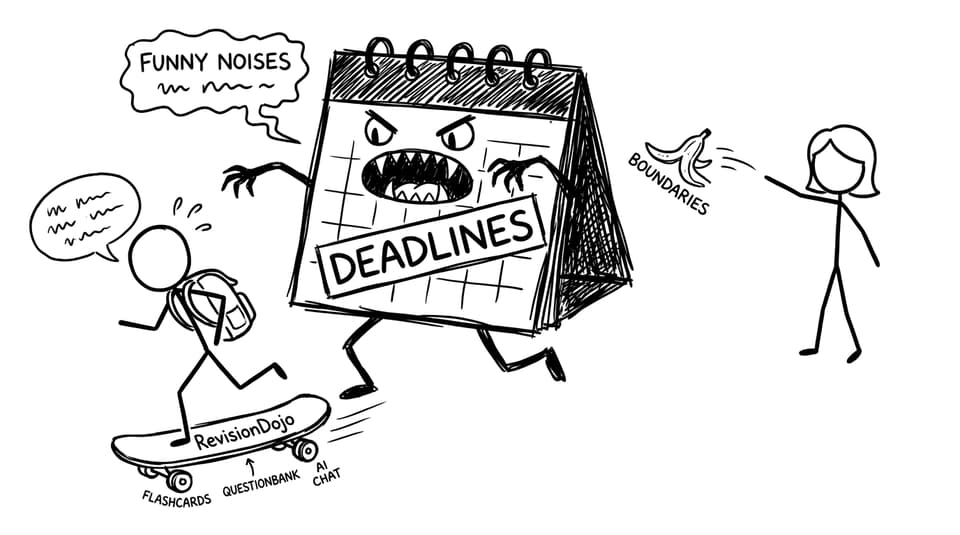
RevisionDojo is built for this loop:
-
Use Digital IB Study Notes to clarify the topic quickly.
-
Drill the exact skill with the Questionbank (topic-filtered practice).
-
Lock recall with Flashcards.
-
When you’re stuck, use AI Chat inside RevisionDojo to ask for a markscheme-style explanation.
This is also the bigger strategy behind The ultimate guide to revision for IB students.
Step in only when the pattern repeats
If the misunderstanding becomes chronic: weeksweeks of distress, no improvement after communication, or signs your wellbeing is slipping, thenthen a parent stepping in can be appropriate.
Do it collaboratively:
-
“My child is trying X and Y.
-
Here’s what’s still hard.
-
Can we agree on one next step?”
If you’re unsure how to do that without escalating tension, use: How do I talk to teachers if I'm worried about my child's progress?
What parents should avoid (even when they’re right)
-
Attacking the teacher at home. It can feel supportive, but it traps the student in resentment.
-
Solving everything immediately. IB students need to practice self-advocacy while stakes are manageable.
-
Turning stress into a lecture. Stress already sounds like a lecture inside your head.
Conclusion: make the IB gap smaller, one conversation at a time
When an IB student says, “My teacher doesn’t understand my struggles,” they’re usually saying something deeper: “I’m working hard and I don’t know how to make it show.” Parents can’t remove every pressure in the IB, but they can help you turn frustration into language, and language into support.
If you want a steady foundation while you work on communication, build your routine inside RevisionDojo: Study Notes for clarity, Flashcards for daily recall, Questionbank practice for marks, AI Chat for fast explanations, Grading tools for feedback, Predicted Papers and Mock Exams for realism, plus the Coursework Library and Tutors when you need an extra layer of support.