The first time you open IB SEHS, it can feel like someone tipped five subjects into one backpack. A bit of biology. A bit of physics. A bit of psychology. Then nutrition, data, lab write-ups, and the quiet pressure of assessments that never quite leave your calendar.
The good news is that beginners don’t struggle in IB SEHS because the ideas are “too hard.” They struggle because they study it like a vocabulary subject, then wonder why exam questions ask them to apply everything to a scenario.
This guide is your calm start: a beginner-friendly way to learn IB SEHS from day one, build the habits that make exam season easier, and use RevisionDojo to make your effort compound.
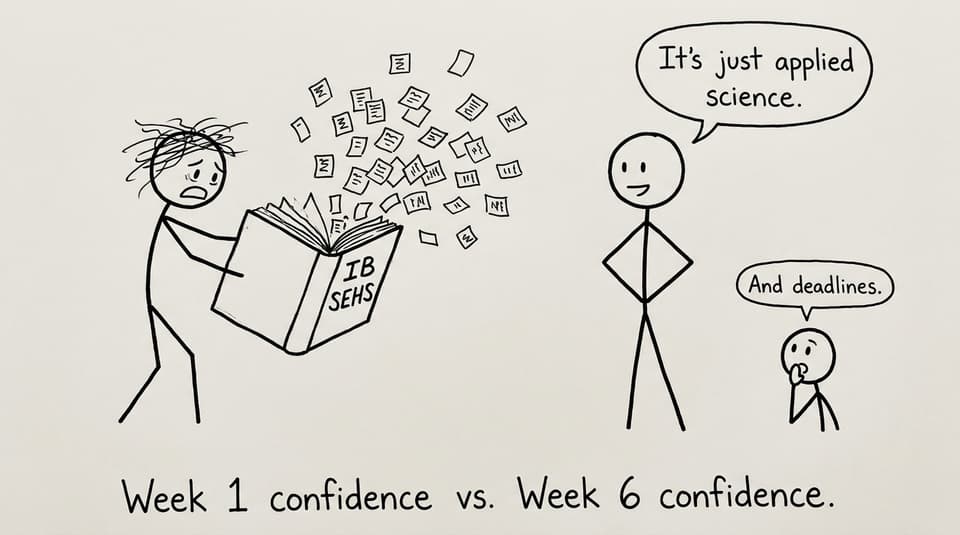
IB SEHS beginner overwhelm comic
Quick start checklist for IB SEHS beginners
Learn the “map” of the course first (topics, skills, and how questions are framed).
Study concepts with simple real-life examples (sport, health, recovery, training).
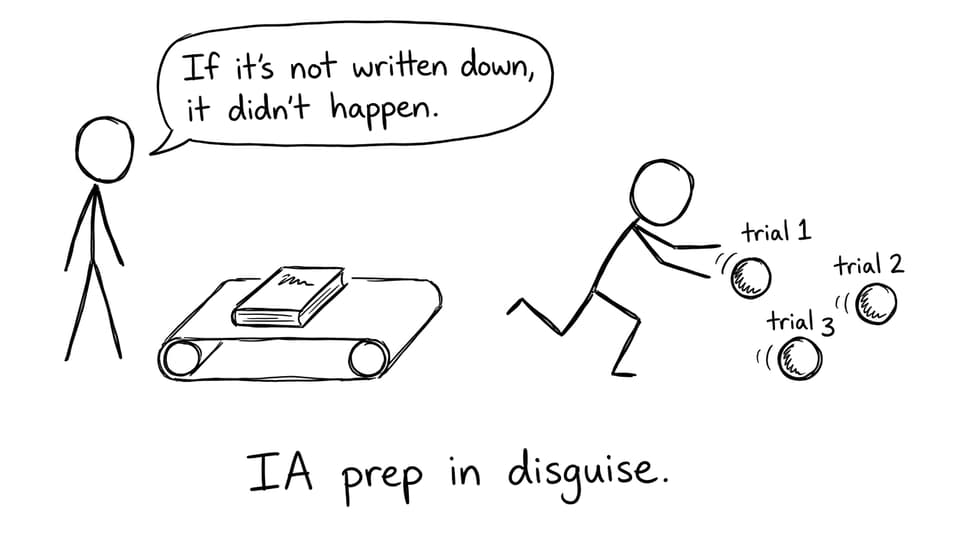
Write labs like they will become your IA foundation (because they often do).
Start spaced repetition early (definitions + processes + graphs).
Practise exam-style questions weekly, not monthly.
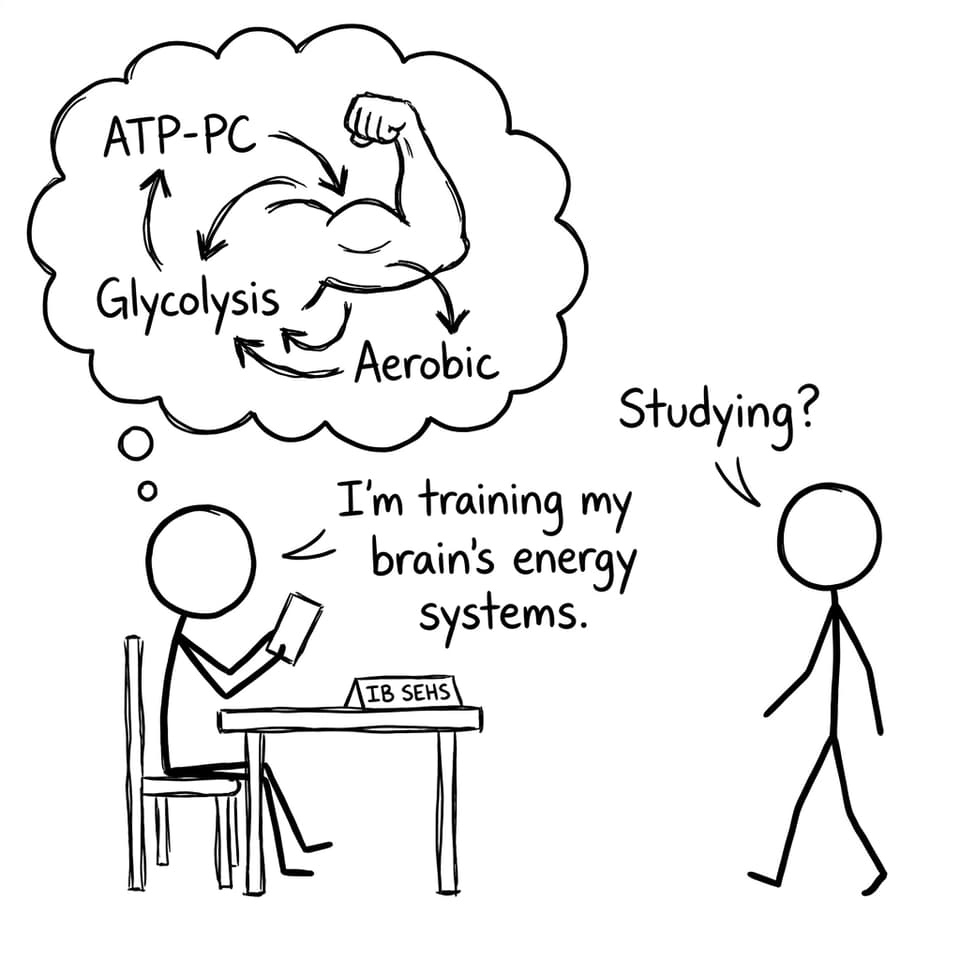
That’s also your advantage. When you tie theory to a tangible example, memory becomes easier. “Energy systems” stops being a diagram and becomes the feeling of trying to sprint after you’ve already sprinted.
A simple beginner move: pick one anchor topic and go deep enough to see how the subject behaves. For many students, IB SEHS A.2.3 Energy Systems is perfect because it links physiology, performance, and exam-style explanation.
How to study IB SEHS without drowning in notes
Beginners often try to copy everything, because copying feels productive. In IB SEHS, productivity looks quieter:
Build “two-layer” notes
Layer 1 is a short, exam-ready summary (definitions, key processes, one diagram, typical mistakes). Layer 2 is the explanation you would give a younger student.
On RevisionDojo, use the SEHS topic pages to keep your layers tight: read the notes, then immediately test your understanding with the Questionbank and Flashcards.
Conclusion: start IB SEHS the way you want to finish it
A beginner’s advantage in IB SEHS is time. Time to build tidy lab habits. Time to practise questions before they feel urgent. Time to learn concepts as tools, not trivia.
If you want one place to run that whole process, use RevisionDojo as your system: Study Notes to understand, Flashcards to remember, Questionbank to apply, AI Chat to unblock confusion, Grading tools to improve drafts, and Mock Exams and Predicted Papers to rehearse the real thing. Start small this week, and let IB SEHS become the subject where consistency quietly turns into confidence.
IB SEHS goal setting in sport made simple: goal types, SMART targets, common mistakes, and exam-ready tips using RevisionDojo practice tools.