

The first time you notice IB Digital Society working in real life is usually small.
It’s that split-second pause before you post a photo. Or the moment you realize a headline is trying to pull you, not inform you. Or the weird feeling that an app knows what you want before you do.
That pause is the course doing its job.
IB Digital Society isn’t “about technology” in the way people assume. It’s about how digital systems shape choices, power, identity, and opportunity -- including yours -- and how to explain those links clearly under exam pressure.
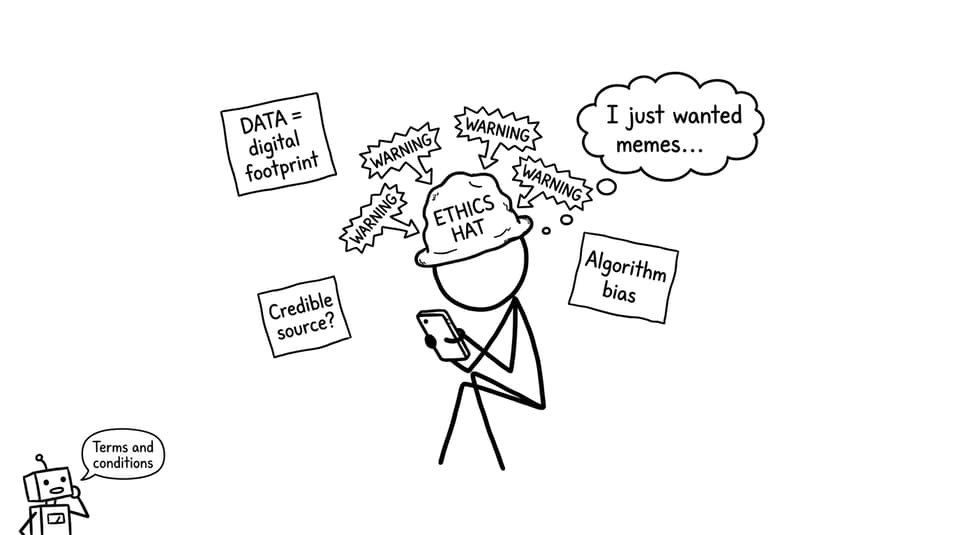
Quick checklist: real-life uses of IB Digital Society
Keep this list in mind when you revise. Every bullet can become an exam example.
-
Use ethical reasoning for privacy, AI, and online behavior
-
Evaluate sources quickly (and spot misinformation faster)
-
Explain algorithms and platform incentives in plain language
-
Communicate balanced arguments with clear judgement
-
Compare global perspectives on regulation, access, and fairness
-
Build university-ready research and writing habits
If you’re organizing your revision, the IB Digital Society resources hub is the fastest “one tab” starting point.
Digital ethics shows up in your daily decisions
A lot of students start IB Digital Society thinking ethics is a debate topic. Then it becomes a habit.
You notice what information you give away for convenience. You start asking who benefits from a design choice: the user, the company, or the advertiser. You catch yourself thinking about consent, surveillance, and digital footprints not as abstract concepts, but as patterns you live inside.
This matters for exams because ethical reflection is rarely about memorizing a moral theory. It’s about making a judgement and defending it with consequences, stakeholders, and trade-offs.
To connect this thinking to broader IB expectations, review how the course aligns with the IB Learner Profile across the curriculum. “Principled” and “Reflective” stop being poster words when you can tie them to real platform choices.
Research skills you’ll use every week (even when you don’t mean to)
Here’s the quiet superpower of IB Digital Society: it upgrades your everyday research.
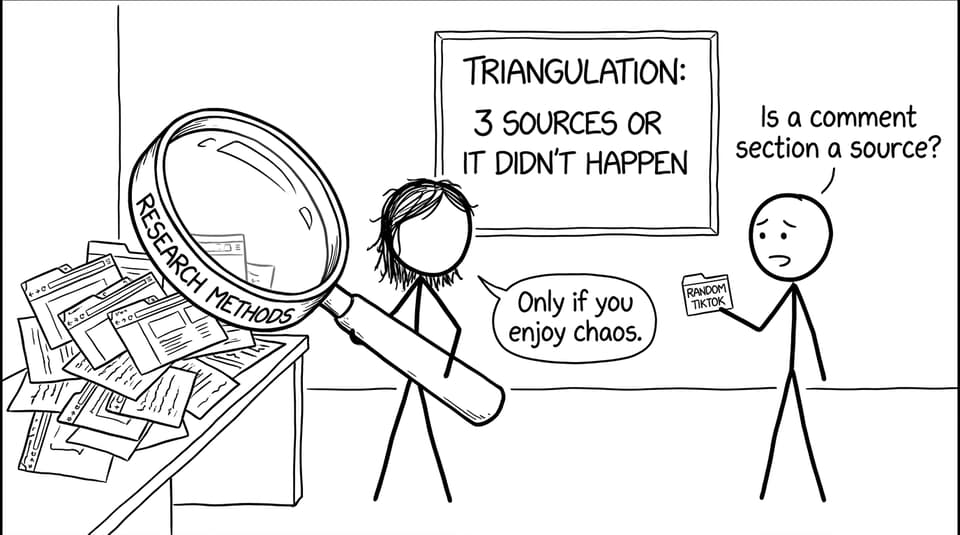
Students often describe the same shift: instead of collecting links, they start evaluating them. They look for origin, incentives, missing context, and whether a claim survives a second source. That becomes useful in every subject -- and in life -- because digital information is plentiful, but trust is expensive.
When you’re building arguments for assessments, it also helps to know what you already do well so you don’t “revise by demolition.” The IB coursework strengths analysis is a helpful way to protect strong habits while improving weak ones.
And when you want syllabus-first structure, RevisionDojo’s Digital Society Topic 3 notes and practice make it easier to turn messy real-world examples into clean exam-ready points.
Communication skills that travel into TOK, CAS, and interviews
Students don’t always notice it, but IB Digital Society trains a specific kind of communication: you learn to say complicated things without hiding behind complicated language.
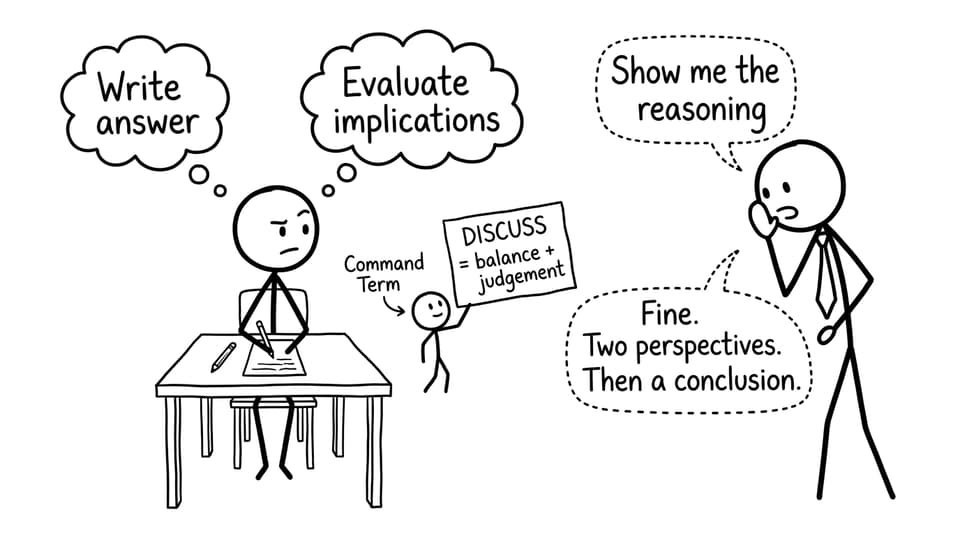
That matters in TOK discussions, CAS presentations, group projects, and university interviews because clarity is persuasive. You can define a concept, apply it to a case, then evaluate implications -- without drifting.
Exams reward this directly. If your response matches the command term, you gain marks fast. If it doesn’t, even smart ideas can underperform. Use How to Use Command Terms Effectively in IB Exams as a weekly drill, then practice with RevisionDojo’s Questionbank and AI feedback so structure becomes automatic.
Global awareness you can actually feel
A key reason IB Digital Society lands so well is that it forces you to compare contexts.
A platform policy isn’t just a policy. It changes depending on local laws, cultural expectations, infrastructure, and inequality. Students start noticing how access differs across regions, how moderation decisions shape speech, and how “innovation” can widen gaps.
This global awareness is also something universities value because it signals maturity: you can hold multiple perspectives and still reach a justified judgement. If you’re framing this for applications, What Do Universities Think of the IB Diploma? helps you translate IB skills into admissions language.
Exam prep: turn real life into marks (without memorizing scripts)
The hardest part of IB Digital Society is that it won’t reward pre-written answers. You’re expected to apply concepts to unfamiliar scenarios.
That’s where RevisionDojo becomes your advantage: Study Notes to build clean understanding, Flashcards for key definitions, AI Chat when your reasoning is fuzzy, Grading tools for exam-style feedback, and Predicted Papers and Mock Exams for timed practice that feels real.
If you want a broader view of what the course is really testing, read Key Themes in IB Digital Society Explained and use those themes as your revision map.
Conclusion: make IB Digital Society feel like real life (on purpose)
The best students don’t treat IB Digital Society as a subject they “take.” They treat it as a lens they use.
If you want that lens to translate into exam marks, build a simple loop: learn the concept, collect one real example from your week, then practice writing it under a command term. RevisionDojo makes that loop easier with the Questionbank, Study Notes, Flashcards, AI Chat, Grading tools, Predicted Papers, Mock Exams, the Coursework Library, and Tutors -- all designed to turn real life into clear, high-scoring responses in IB Digital Society.


