

The first time you see a set of predicted grades, it can feel like someone printed your future on school letterhead. One number and suddenly every plan seems to tighten around it: universities, scholarships, even how confident you feel walking into your next IB class.
So do IB predicted grades matter for conditional offers? Yes. In many systems, they are the doorway. But they’re not the whole building.
What predicted grades are (and why universities ask for them)
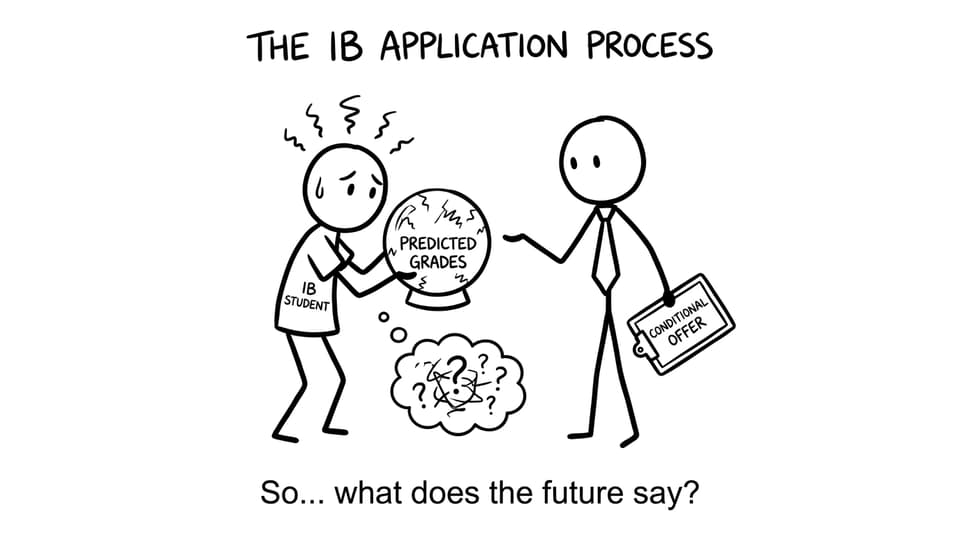
Universities use predicted grades because most students apply before final IB results exist. Predicted grades act like a bridge between “what you’ve done so far” and “what you’re likely to do under final exam conditions.”
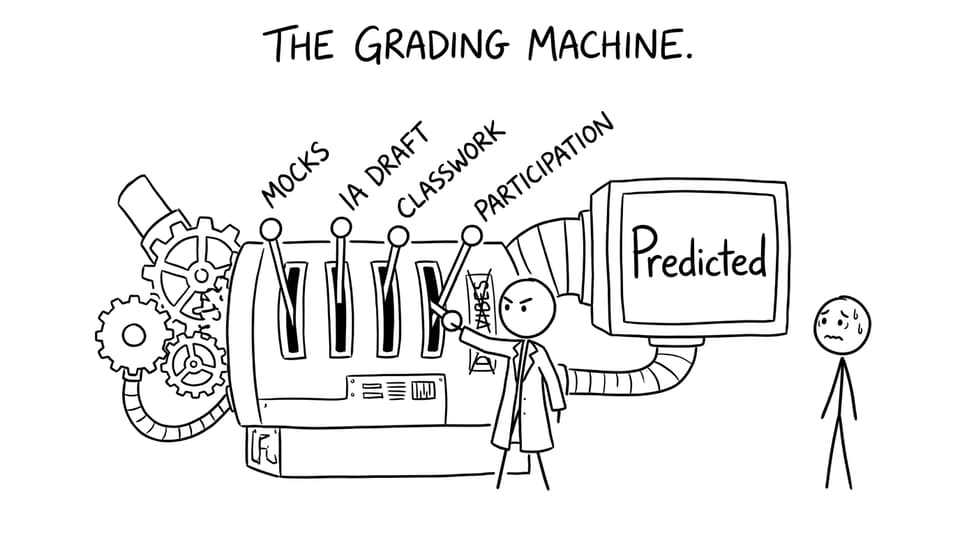
They’re usually built from mocks, in-class assessments, internal assessment (IA) progress, and teacher judgment. If you want the full behind-the-scenes breakdown, read How Do Schools Predict IB Scores? Inside the IB Predicted Grade Process.
Quick checklist: how to think about predicted grades and conditional offers
-
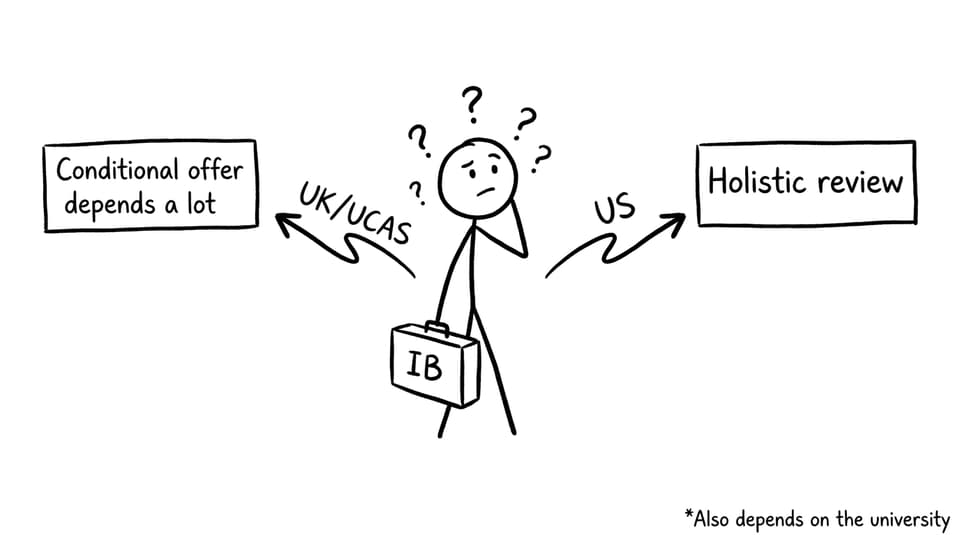
Check the country system (UK-style conditional offers vs holistic review).
-
Compare your predicted total and HL/subject requirements to the course entry criteria.
-
If you’re below, plan either (a) a smarter target list or (b) a predicted-grade improvement plan before submission.
-
Keep proof of improvement: mock scores, marked essays, IA feedback.
-
Build exam readiness now so your final IB results can still meet the condition.
Where IB predicted grades matter most for conditional offers
In the UK (via UCAS), conditional offers are commonly built on predicted grades. Competitive courses often filter quickly, and predicted grades help universities decide who is likely to meet the final conditions.
If you’re applying early, predicted grades can become even more important because there’s less time for new evidence to appear. For a deeper view of timing and decision-making, see How Do IB Predicted Grades Work for Early University Applications?.
Can low predicted grades stop you getting an offer?
Often, yes. If your predictions fall below minimum entry requirements (overall points, Higher Level grades, or a required subject), some universities won’t progress your application.
This is especially true when a course is oversubscribed: admissions teams use predicted grades to reduce risk and manage volume.
If you want a clear explanation of how rejections can happen, read Can Universities Reject You Based on Predicted Grades?.
Do predicted grades matter as much in the US and elsewhere?
In the US (and in parts of Asia), predicted grades are typically less decisive than in UK-style systems. Admissions often focus more on transcripts, course rigor, recommendations, essays, and activities.
Still, as an IB student, your predicted grades can support the story your application is already telling: consistency, upward trend, and readiness for academic intensity. For a nuanced overview, read How Much Do Predicted Grades Actually Matter? and The Role of Predicted Grades in University Admissions.
What if your final IB grades are higher than predicted?
This is the quiet truth: predicted grades are not destiny. Your final IB score comes from exams and assessed coursework, not from what someone estimated months earlier.
If your final results meet the conditions, the offer stands. If you miss the condition, you still have options and scripts you can follow quickly and calmly. Start here: IB Offer Conditional? What Happens Next (And What to Do).
Can you improve predicted grades before submission?
Sometimes, yes, but only through your school before predicted grades are finalized.
The most persuasive approach is evidence, not emotion: improved mock results, stronger timed work, and meaningful IA progress. RevisionDojo maps this out step-by-step in What’s the Process for Predicted Grade Appeals in IB? and IB Predicted Grades Missed? What to Do Next.
Conclusion: predicted grades matter, but your preparation matters more
Yes, IB predicted grades matter for conditional offers, especially in systems that decide early and confirm later. But the most important part is what you do next: turn predictions into a plan.
If you want a calmer, more systematic way to raise performance, RevisionDojo helps you tighten the loop: Study Notes to rebuild understanding, Flashcards for daily recall, Questionbank for targeted practice, AI Chat for quick clarifications, and Mock Exams and Predicted Papers to make exam day feel familiar. Your predicted grades may open doors, but your final IB results are what you walk through with.