

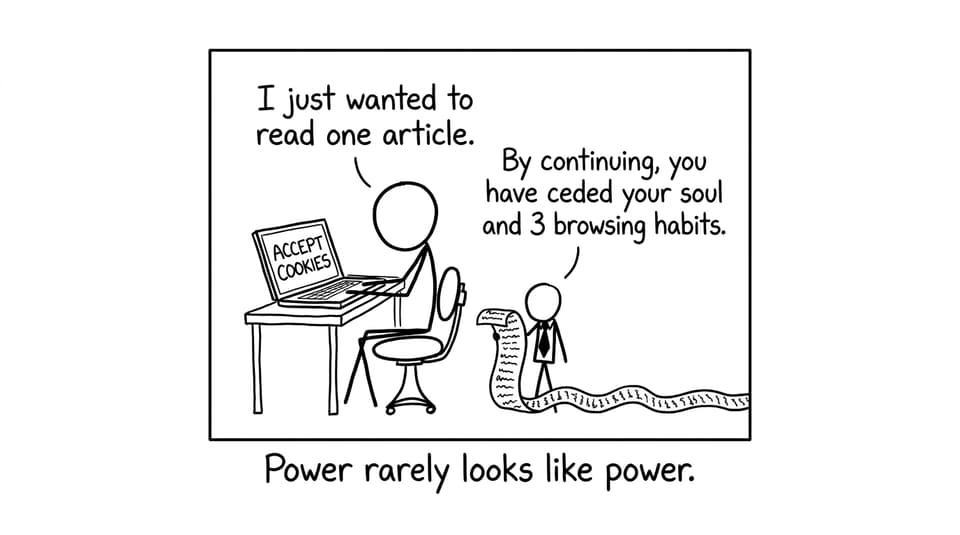
Power almost never introduces itself.
It shows up as a default setting you cannot find. A recommendation you cannot question. A policy update you never voted on. In IB Digital Society, that quietness is the clue: power is often strongest when it feels like “that’s just how the system works.”
If you are preparing for exams, learning to analyse power in IB Digital Society is one of the highest-return skills you can build. It turns vague claims into mechanism-focused analysis. It also helps you evaluate impacts and implications with real precision, which is what top markbands reward.
A quick checklist for analysing power in IB Digital Society
Use this as your 60-second planning tool before you write any IB Digital Society response:
-
Name the digital system (platform, algorithm, policy, dataset, device)
-
Identify key stakeholders (users, company, state, third parties, affected communities)
-
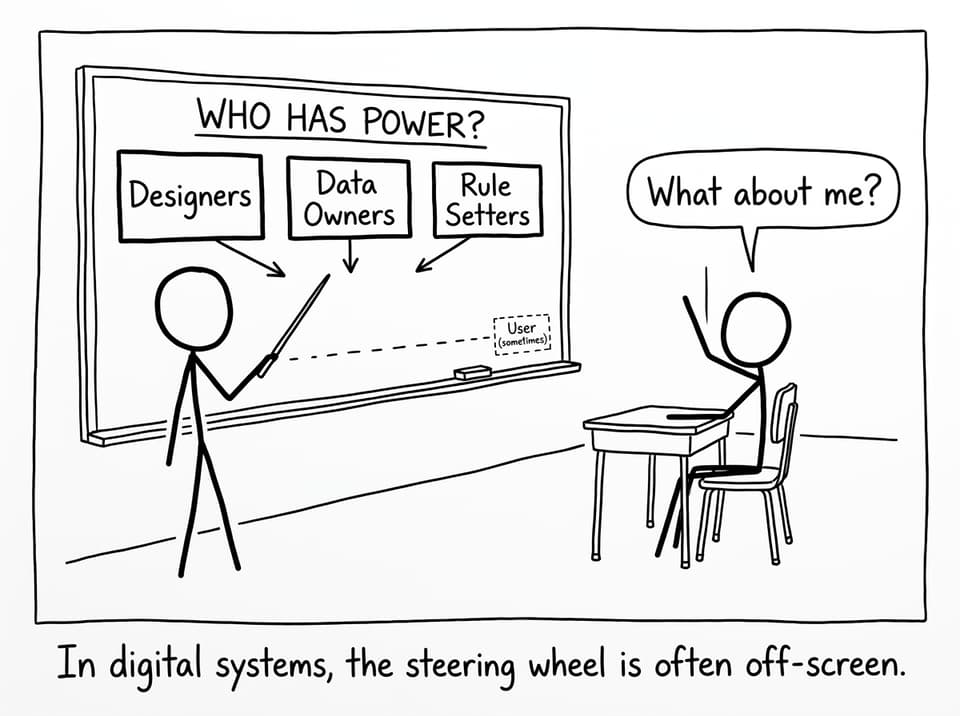
Locate power in three places: design, data, decisions
-
Explain the mechanism (how the system makes outcomes happen)
-
Track impacts on individuals and communities
-
Evaluate: is the distribution of power justified, accountable, and transparent?
When you need a fast syllabus anchor, start at the IB Digital Society hub and jump into the Power unit from there.
What “power” actually means in IB Digital Society
In IB Digital Society, power is not personal confidence, popularity, or “influence” in a loose sense. Power is the capacity to shape outcomes inside a digital system: who gets seen, who gets filtered, who gets access, who gets flagged, who gets paid, who gets excluded.
A practical definition you can use in exams:
Power in IB Digital Society is the control over system rules, data flows, and decision-making that determines outcomes for people and communities.
That definition forces you to stay structural. It nudges you away from anecdotes and toward what examiners can actually award marks for: clear cause-and-effect chains.
For deeper content-level coverage, see RevisionDojo’s notes on Power and Types of Power (2.4A).
Where power hides inside digital systems
A useful habit in IB Digital Society is to assume the system is not neutral. Not because every designer is malicious, but because every system has priorities. Priorities become features. Features become constraints. Constraints become outcomes.
Power through design choices
Design is power because design sets the boundaries of what is possible.
Examples of design-based power:
-
Interface nudges (default privacy settings, friction to opt out)
-
Ranking systems (what is surfaced vs buried)
-
Access design (who can participate, who is verified, who is throttled)
If you struggle to move from “this is bad” to “this is how it works,” revise the concept-application method in How to Apply IB Digital Society Concepts Effectively.
Power through data control
Data is power because data determines what the system can “see,” and what it cannot see often becomes invisible in decisions.
Ask three exam-friendly questions:
-
What data is collected (and from whom)?
-
Who owns or can sell/share it?
-
Who can access it, correct it, or delete it?
Notice how quickly this becomes ethical and political. Data control can shift power away from individuals toward platforms, advertisers, and regulators.
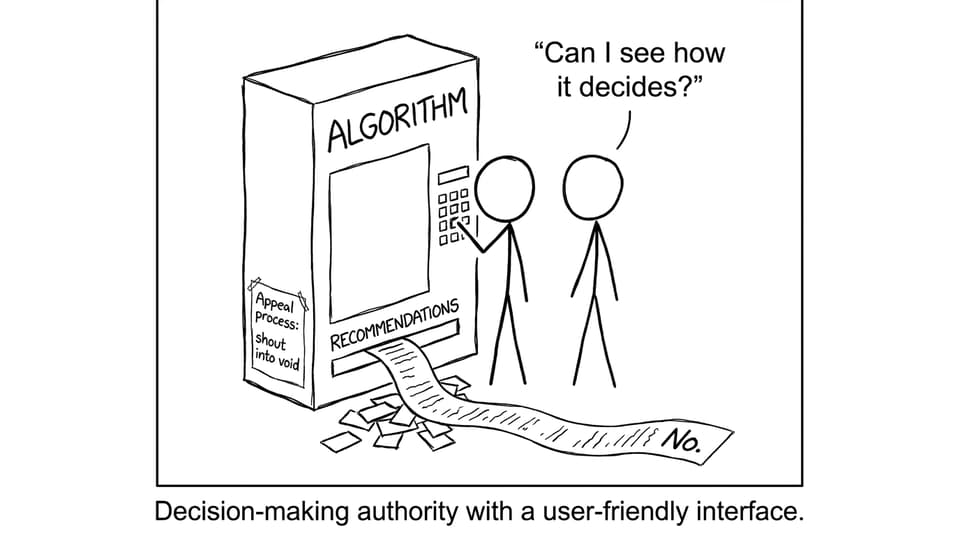
Power through decision-making authority
Many systems do not just “show information.” They shape or automate decisions.
Common places to spot decision-making authority in IB Digital Society:
-
Content moderation and takedowns
-
Eligibility decisions (services, finance, education access)
-
Recommendations and feeds that steer attention
For a focused example you can borrow language from, read Artificial Intelligence and Decision-Making Authority in IB Digital Society.
How to write power analysis that scores (not just sounds smart)
In IB Digital Society, power earns marks when it does explanatory work. A clean structure is:
Identify the power holder
Name who has control: platform company, government agency, developers, data brokers, employers, schools, moderators, or a hybrid.
Then prove it with a system feature: “They set the rules through X,” “They control the data via Y,” “They can override outcomes using Z.”
Explain the mechanism of control
This is the sentence that separates description from analysis.
-
Weak: “The platform has power over users.”
-
Strong: “The platform exercises power by ranking content using engagement signals, which shapes what users see and therefore what becomes socially visible.”
Track impacts on individuals and communities
Top responses do both.
Individuals: autonomy, privacy, access, wellbeing, ability to appeal.
Communities: inequality, marginalisation, political polarisation, labour conditions, cultural change.
If you want an exam-ready system example, Social Media as a Digital System: IB Digital Society Guide is a strong bridge between “system components” and “power outcomes.”
Evaluate power using criteria
Evaluation needs a standard, not just an opinion. Use criteria like:
-
Transparency: can people understand what happens?
-
Accountability: who is responsible for harm?
-
Fairness: are outcomes biased or uneven?
-
Agency: can users opt out, appeal, or meaningfully choose?
To sharpen this skill under time pressure, drill structure using IB Digital Society Exam Command Terms Explained and Structure IB Answers to Maximize Marks.
Power in exams vs power in the IA
In exams, you usually meet power through an unseen example. Your job is fast diagnosis: who controls what, how, and with what consequences.
In the IA, power becomes a thread you can weave across your whole inquiry. It helps you sustain analysis because you can keep returning to the same core tension: who benefits, who carries the risk, and who gets to decide.
If you are choosing or tightening a research question, use How to Write a Strong IB Digital Society IA Research Question and the examiner-aligned IB Digital Society Internal Assessment Guide.
Common mistakes students make with IB Digital Society power
-
Treating power as “general influence” without naming mechanisms
-
Talking only about users and ignoring designers, institutions, and policies
-
Making ethical claims without showing how the system creates the outcome
-
Forgetting community-level impacts (the easiest way to deepen an answer)
A fast way to correct these is practice with feedback. RevisionDojo’s 2.4 Power Questionbank is built for exactly that: repeated exam-style prompts until your analysis becomes automatic.
Closing: make power visible, then make it useful
The best students in IB Digital Society do something simple: they make hidden control visible. They show how design, data, and decision-making authority quietly shape outcomes, and then they evaluate whether that power is fair, accountable, and justified.
If you want a repeatable routine, use RevisionDojo as your home base: Study Notes to learn fast, Flashcards to keep concepts active, AI Chat to get unstuck, the Questionbank to practise under exam conditions, and Grading tools to understand what high-mark responses look like. Add Predicted Papers and Mock Exams for timing and pressure, and use the Coursework Library plus Tutors when you want human guidance on an IA draft.
Power is everywhere in IB Digital Society. Once you learn to analyse it precisely, your writing stops drifting and starts scoring.

