


If you have ever stared at a blank document at 1:12 a.m. and thought, I could do this yesterday-me, but today-me is out of fuel, you are not alone. In IB, the workload is loud, but mental health struggles are often quiet. The hard part is not only the deadlines. It is the feeling that you must look fine while you are not.
Talking to a teacher can feel like stepping onto a stage without a script. But in IB, one honest conversation can turn a spiral into a plan. The goal is not to justify missed work. The goal is to get support early enough that you do not have to rebuild from exhaustion later.
A quick IB checklist before you talk
Use this short list to make the conversation easier (and calmer):
-
Decide who to speak to first (subject teacher, homeroom, IB coordinator).
-
Write down 2-3 symptoms and 2-3 school impacts.
-
Choose one specific request (extension, reduced load for a week, check-in).
-
Pick a private time and place.
-
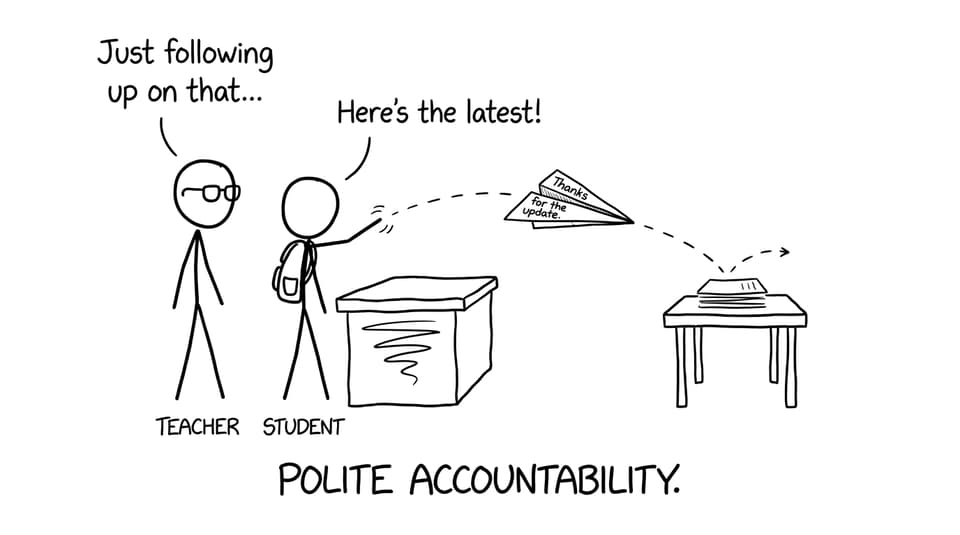
Plan a follow-up message so you stay accountable.
If you want grounding strategies while you prepare, the RevisionDojo guide on mental health resources for IB students is a good starting point.
Why speaking up matters in IB (and why it is not “making excuses”)
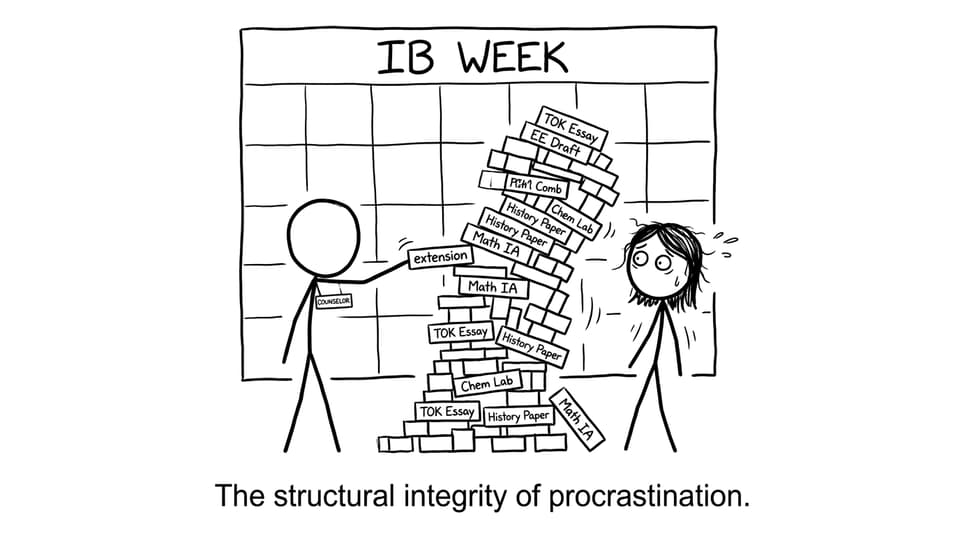
The IB has a way of turning small problems into big ones when they stay hidden. A rough week becomes late coursework. Late coursework becomes panic revision. Panic revision becomes burnout.
A teacher cannot remove all pressure, but they can change the shape of it. They can clarify priorities, adjust a timeline, help you plan around exam prep, and connect you to school support systems. And if you are worried you will be judged, remember this: most teachers prefer an early heads-up to a last-minute crisis.
If burnout is already showing up, read IB Burnout Is Real: How to Fix It Fast and consider using it as language for what you are experiencing.
Prepare what you want to say (keep it simple and specific)
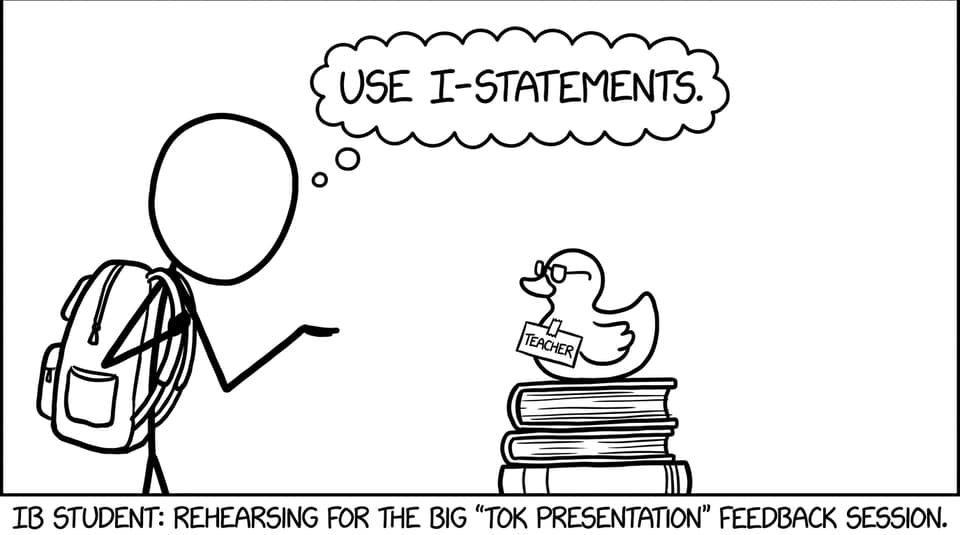
The best IB conversations are short, clear, and concrete. Try a three-part structure:
-
What is happening: “I have been feeling anxious and overwhelmed.”
-
How it affects school: “I am struggling to concentrate and my work is taking much longer.”
-
What you are asking for: “Could we agree on a short extension or a revised plan for this week?”
You do not need a perfect explanation. You need a truthful one.
A helpful warm-up is journaling: it turns vague fear into sentences you can actually say. See Can Journaling Help Me Cope With IB Stress? to make that process easier.
Choose the right moment (privacy helps your brain tell the truth)
In IB, teachers are busy, which is exactly why timing matters. Avoid trying to squeeze this in during a hallway rush.
Instead, ask for a private slot:
“Could I meet you after class or during a free period for a quick chat?”
A quiet setting reduces the urge to minimize your feelings. It also gives your teacher the chance to respond thoughtfully rather than react quickly.
Ask for support that still protects your goals
A smart request shows you are serious about the IB, even while you are struggling. Consider options like:
-
A short extension with a new mini-deadline.
-
A reduced workload for a few days with a clear catch-up plan.
-
Priority guidance: “Which parts matter most for marks?”
-
A weekly check-in (five minutes is enough).
Then bring a basic plan. If planning feels impossible right now, borrow a structure from The Ultimate Daily IB Study Schedule or 10 Proven Study Techniques for IB Students. A plan does not need to be intense. It needs to be realistic.
Follow up (this is where trust is built)
After the conversation, send a short message summarizing what you agreed. In IB, clarity prevents misunderstandings.
Example:
“Thanks for meeting today. We agreed I will submit the draft on Friday and I will focus on sections A and B first. I appreciate the support.”
Then do one small visible action: submit an outline, complete a practice set, or bring one improved paragraph. Progress does not need to be dramatic. It needs to be consistent.
How RevisionDojo can support you while you talk to teachers
When mental health is shaky, decision-fatigue becomes the hidden enemy of IB exam prep. RevisionDojo helps by giving you one calm system:
-
Study Notes to reduce relearning time.
-
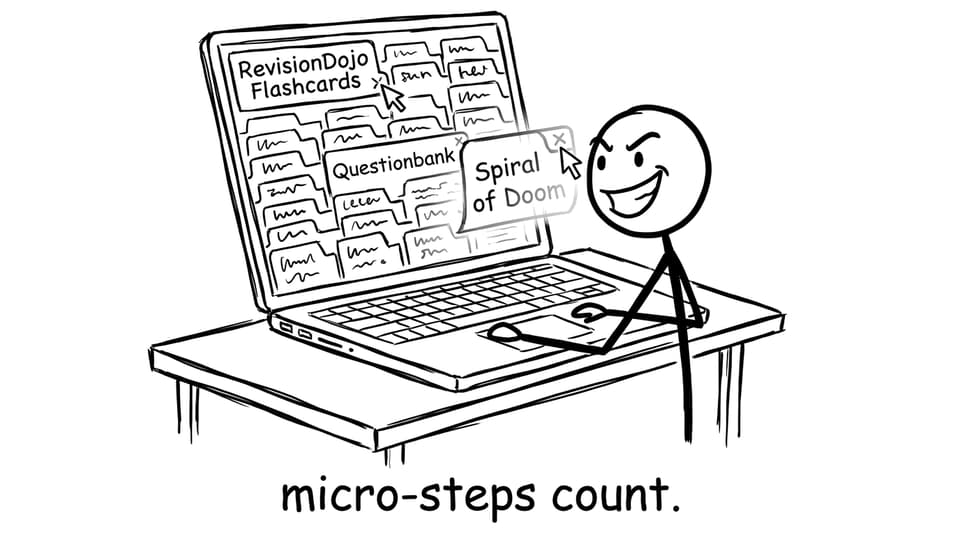
Flashcards for small daily wins when energy is low.
-
Questionbank to turn effort into measurable feedback.
-
AI Chat to get unstuck without doom-scrolling.
-
Grading tools to shorten drafting cycles and reduce uncertainty.
-
Predicted Papers and Mock Exams to rehearse exam pressure in a controlled way.
-
Coursework Library to stop guessing what “good” looks like.
-
Tutors when you need a human plan, not just motivation.
For a bigger-picture approach, How to Study for IB Exams Without Burning Out connects wellbeing and performance in a way that actually works.
Closing: one conversation can change your whole IB season
In IB, you do not need to be fearless. You need to be honest early enough that help can actually help. A calm, specific conversation with a teacher can protect your health and your exam preparation.
If you want your next step to feel simpler, open RevisionDojo and build a low-friction routine: a few Flashcards, a short Questionbank set, and a realistic plan you can show your teacher. Support works best when it turns into small actions you can repeat. That is how you stay in the IB journey without losing yourself to it.