

Geophysical hazards have a way of turning a “five-year plan” into a “five-minute survival test.” One day a city is arguing about transport budgets; the next, an earthquake has rewritten the to-do list in dust and concrete.
In IB Geography, this is the heart of Geophysical Hazards and Development: hazards do not just cause damage. They change the pace, direction, and fairness of development. They reveal what was strong, what was fragile, and what was quietly unequal.
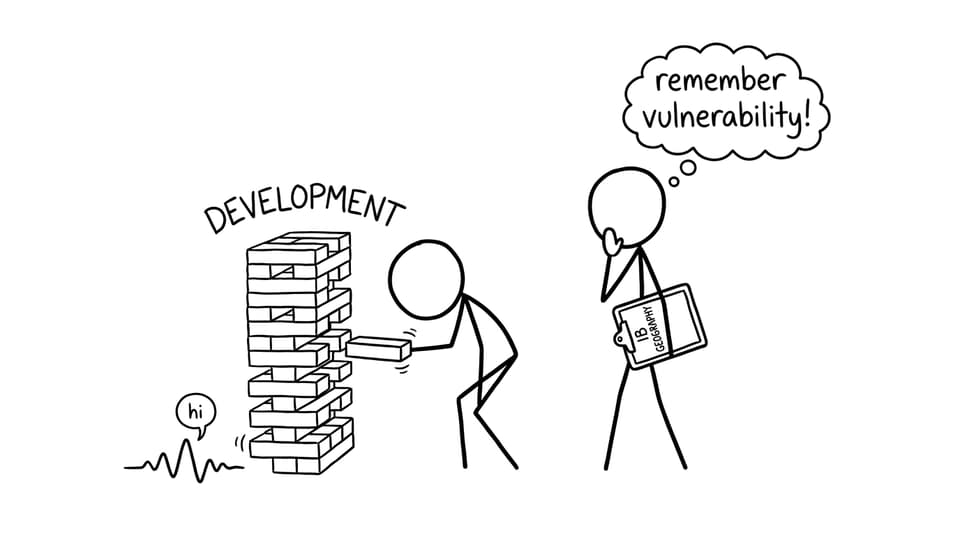
Geophysical hazards and development in IB Geography
To write sharper exam answers in IB Geography, anchor your explanation to time (short vs long term) and place (who is exposed, and why).
Quick checklist for exam paragraphs
-
Name the hazard type (earthquake, volcanic eruption, landslide, tsunami).
-
Separate short-term disruption from long-term development effects.
-
Link outcomes to vulnerability, capacity to cope, and governance.
-
Add inequality: who recovers quickly, who gets left behind.
-
Conclude with the idea of resilience and “build back better.”
For syllabus-aligned refreshers, start with IB Geography Option D Geophysical Hazards and the Option D notes.
Short-term impacts: development interrupted
In the short term, geophysical hazards can slam development into reverse. Roads crack, bridges fail, hospitals overflow, power and water supplies break down. Even when the physical damage is local, the economic shock spreads: shops close, tourism drops, supply chains stall, and households lose income.
In IB Geography, this is a clear cause-and-effect chain: hazard event --> infrastructure loss --> reduced access to services --> slowed economic activity. If you want to practice turning that chain into exam wording, the Option D Questionbank is built for exactly that.
Long-term impacts: the hidden cost of rebuilding
The long-term development story is quieter, but often bigger.
Repeated hazards can force governments to divert money away from education, healthcare, and planned infrastructure into emergency response and reconstruction. That opportunity cost can last for years. Places that experience frequent hazard events may also struggle to attract long-term investment, skilled workers, or stable tourism.
A useful framing in IB Geography is “development trajectories”: hazards can bend the trajectory downward, not just through damage, but through the long recovery time and chronic uncertainty.
To connect this to resilience planning, read Responses to Geophysical Hazards alongside Future Challenges in Managing Geophysical Hazards.
Inequality: the same quake, different futures
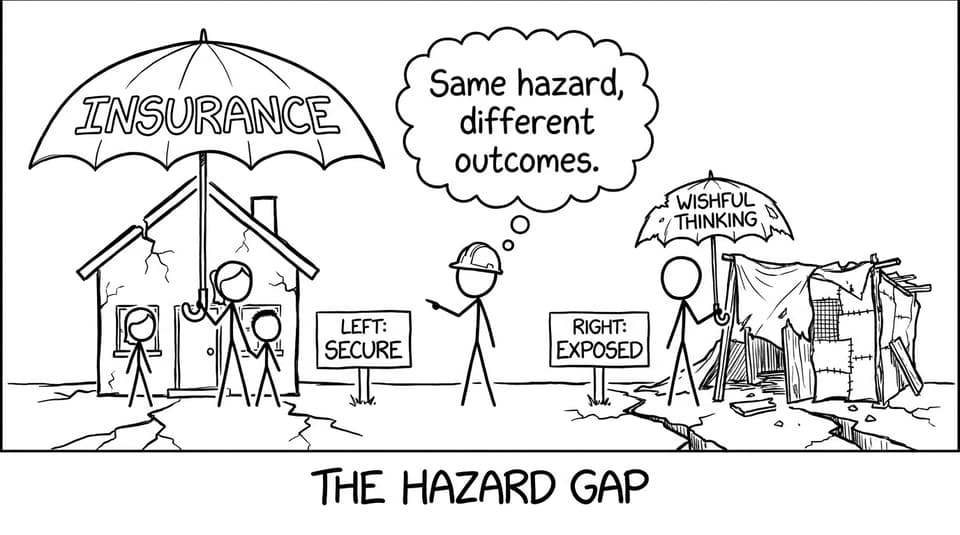
Hazards are “natural.” Outcomes are not.
Wealthier households may have insurance, savings, safer housing, and political influence that speeds up rebuilding. Poorer communities are more likely to live in riskier locations (steep slopes, unstable ground, informal settlements) and have fewer resources to recover. This can widen inequality after the event: better-off areas return to normal; poorer areas get trapped in repeated loss.
If you want a clean way to write this in IB Geography, revise vulnerability concepts in D.3.2 Understanding Vulnerability notes and add place-specific detail using D.2.4 Geographic Factors and Event Impacts notes.
“Build back better”: when hazards accelerate development
There is a second storyline: sometimes hazards create a rare opening to rebuild smarter.
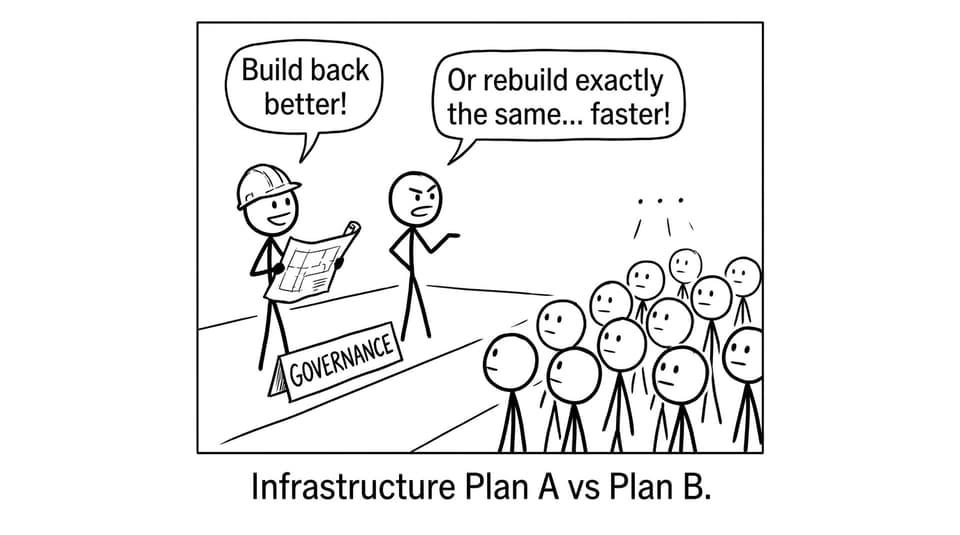
After major events, building codes can improve, land-use planning can tighten, and critical infrastructure can be redesigned. High-capacity governments often treat reconstruction as a chance to reduce future risk, not just restore what existed.
This is a high-mark insight in IB Geography: hazards can be catalysts for positive change when governance is strong and risk reduction is built into development planning.
How to revise this for IB Geography exams (fast)
Use RevisionDojo like a training loop:
-
Build understanding with the Option D notes.
-
Drill exam technique with the Geophysical Hazards Questionbank and RevisionDojo’s AI Chat feedback.
-
Lock in definitions using Geophysical Hazards Flashcards.
-
Simulate timed papers with IB Geography Predicted Papers and the broader Predicted Papers hub.
Conclusion: make development the storyline
In IB Geography, geophysical hazards and development is really a story about time. The short term is shock. The long term is what a society chooses (or is able) to rebuild: inequality, resilience, and the next generation’s opportunities.
If you want this topic to feel exam-ready, RevisionDojo is built for it: use the Questionbank for sharp practice, Study Notes for clear structure, Flashcards for recall, AI Chat and grading tools for feedback, and Predicted Papers and Mock Exams to rehearse under pressure. Your goal is not to memorise disasters. It is to explain why development changes after them -- and why it changes differently for different people.