



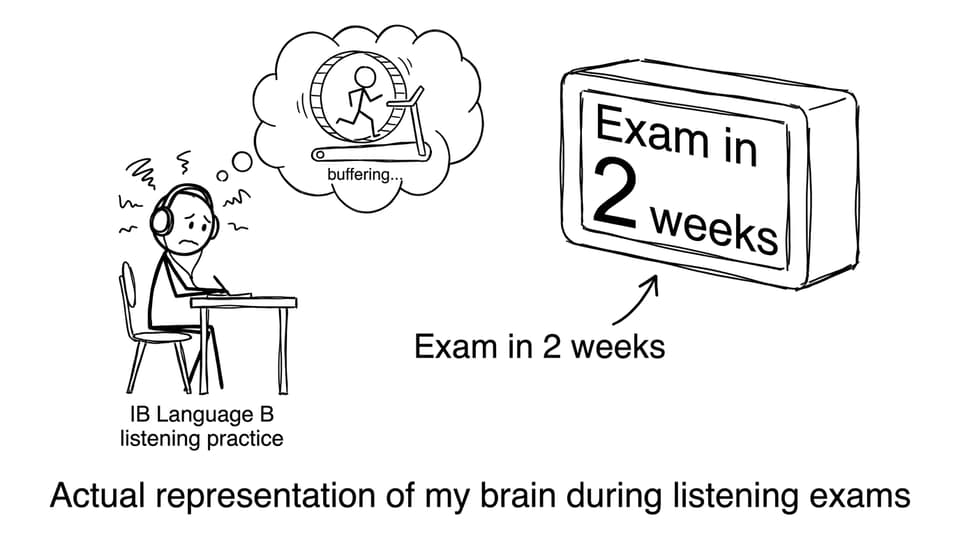
If you have ever stared at a listening question in IB Language B and thought, “I know this word… so why does my brain feel like it just logged out?”, you are not alone. Language learning is strange that way. Progress is quiet, then suddenly obvious. The students who score well are rarely the ones who “love languages” the most. They are the ones who build small habits that compound until the exam feels familiar.
This guide breaks down essential, exam-focused tips for IB Language B students who want clearer speaking, sharper listening, and writing that earns marks without panic.
A quick IB Language B checklist (save this)
-
Practice daily (15-30 minutes beats one long weekly session)
-
Learn vocabulary by IB themes and text types, not random lists
-
Train speaking with short timed prompts (and a “repair phrase” list)
-
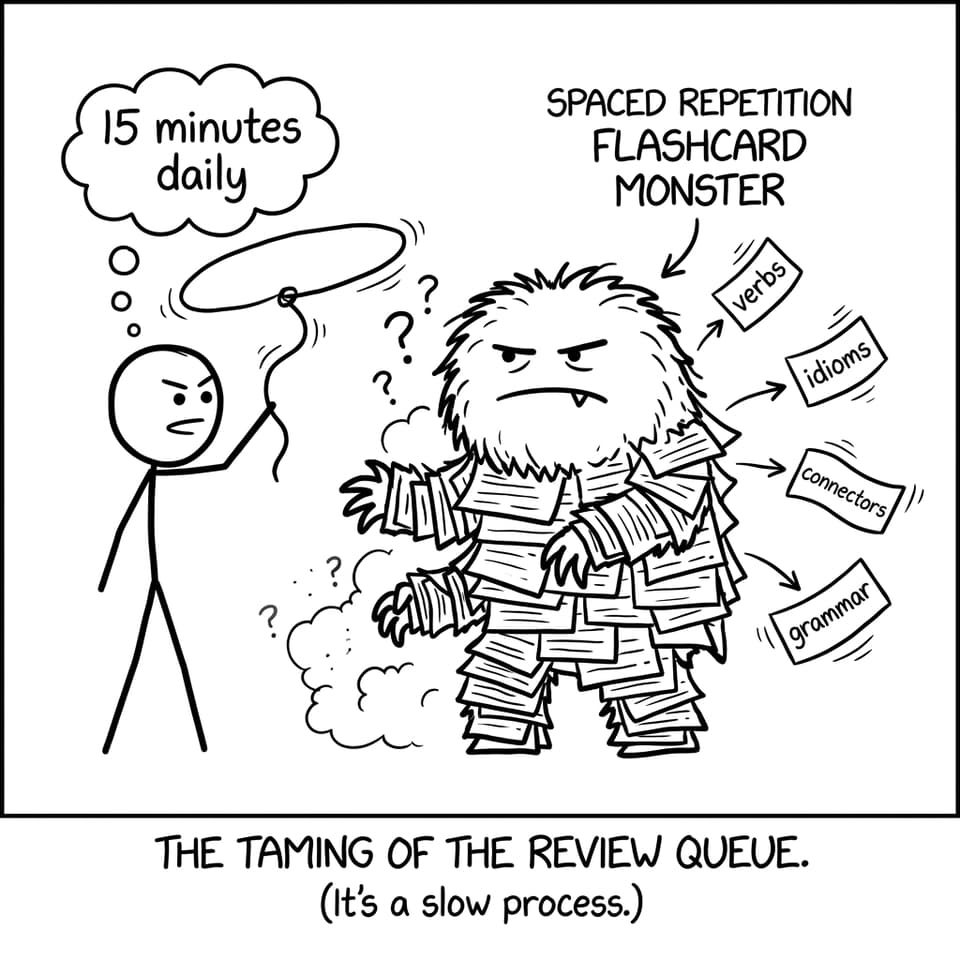
Use spaced repetition flashcards for verbs, connectors, and idioms
-
Do timed exam-style sets early (not just in the final week)
If you want a syllabus map before you start, use What You Need to Know About the Language B IB Syllabus.
Build consistency the IB way: small sessions, high frequency
Language B rewards students who show up often. Not for hours. Just often. A short daily routine forces your brain to retrieve words and structures repeatedly, which is exactly what an IB exam demands under time pressure.
A realistic routine:
-
10 minutes vocabulary recall (active, not re-reading)
-
10 minutes listening or reading (with quick notes)
-
5 minutes writing one short paragraph (one idea, clean structure)
RevisionDojo makes this easier because your practice can live in one place: use IB Flashcards with Spaced Repetition (SRS) to keep recall automatic, then build confidence through topic-based practice.
Learn vocabulary in context, not as a word cemetery
Most IB students do not struggle because they “don’t know enough words.” They struggle because they cannot use the words they know quickly, in the right register, for the right theme.
Try this instead:
-
Group vocabulary by the five IB themes (Identities, Experiences, Human Ingenuity, Social Organization, Sharing the Planet)
-
Add “move phrases” (however, on the other hand, as a result) because these unlock better writing and speaking marks
-
Collect synonyms for common ideas (important, problematic, beneficial) so you can show range
To make spaced repetition actually stick, pair it with a system like Spaced Repetition for IB: Scientific Study Method.
Speak earlier than feels comfortable (and use “repair phrases”)
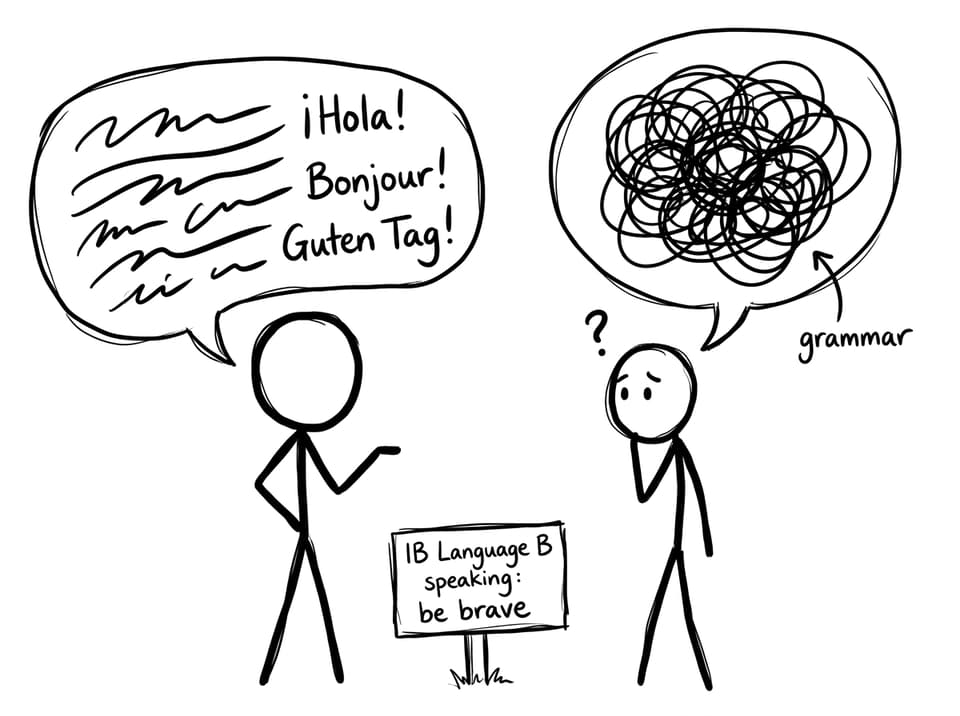
Speaking is where perfectionism quietly destroys progress. In IB Language B, fluency is partly the skill of continuing even when the sentence is not perfect.
A simple speaking loop:
-
Pick a theme prompt
-
Speak for 2 minutes: description + opinion
-
Speak for 2 minutes: one example + counterpoint
-
Record it, then note 3 repeat mistakes (tense, gender, word order)
Keep a mini list of repair phrases in your target language (“Let me rephrase…”, “What I mean is…”) so your oral sounds controlled, not stuck.
For exam-specific practice, follow Mastering Language B Oral Practice and How to Improve Your Language B Speaking Skills.
Train listening and reading like an IB examiner is watching
For listening and reading, the biggest upgrade is learning to stop chasing every unknown word. IB questions reward global meaning, signposts, and evidence.
Try this:
-
Predict content from the title/context before you listen
-
Listen for signposts (firstly, the problem is, in my opinion)
-
Write symbols, not sentences (arrows, plus/minus shifts, quick abbreviations)
-
In reading, underline connectors and pronouns (who is “they”?)
If you want a practical exam map, use IB Language B Exams: Format, Timing, Strategy.
Write for marks: structure first, style second
In IB Language B writing, a clean structure is often worth more than fancy vocabulary used incorrectly.
Use a repeatable framework:
-
Plan 8-10 minutes: audience, purpose, 3 points, 6 high-yield phrases
-
Write with clear paragraph purpose (one job each paragraph)
-
Check 8-10 minutes: agreement, tense consistency, register, accents
Then get feedback quickly. RevisionDojo supports this loop with AI Chat, grading tools, and practice resources. You can also ground your revision using subject hubs like IB English B Resources and general IB guidance at International Baccalaureate (IB).
A calm ending: make IB Language B feel familiar
The real secret of IB Language B is not talent. It is familiarity. When you have spoken under a timer, listened under a timer, and written under a timer often enough, the exam stops feeling like a surprise.
Build a small daily routine, review with spaced repetition, and practice under realistic conditions. And when you want an all-in-one system for Language B revision, RevisionDojo is built for the full loop: Questionbank practice, Study Notes, Flashcards, AI Chat, grading tools, Predicted Papers, Mock Exams, a Coursework Library, and Tutors when you want a human strategy check.
For a deeper Language B revision plan, continue with How to Effectively Revise for Language B Exams and keep your IB prep steady, not dramatic.