At some point in the IB, you notice a quiet pattern: two classes can teach the same topic, yet one makes you feel prepared and the other makes you feel like you are guessing.
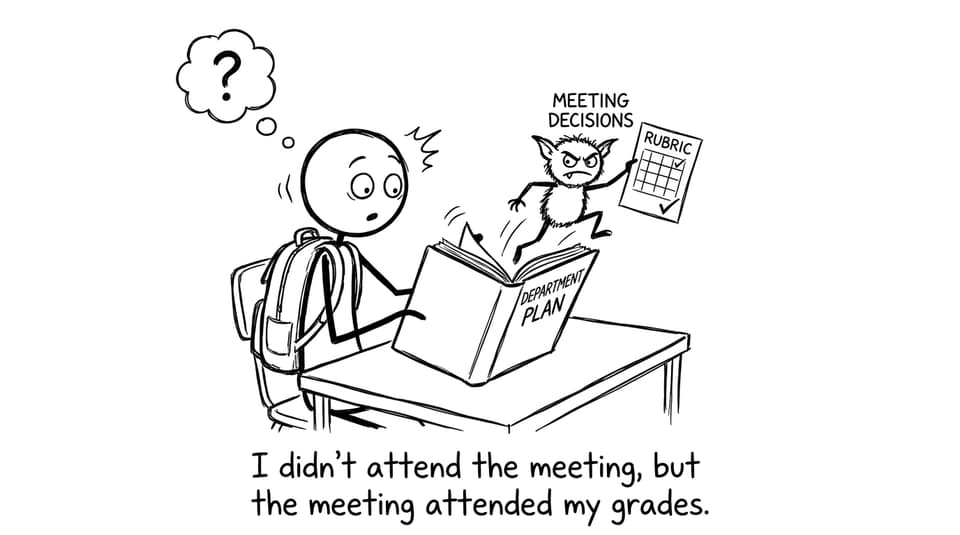
The difference usually isn’t your effort. It’s the invisible layer above your desk: thethe planning decisions teachers make together.
When a department aligns its planning to the IB Learner Profile, the IB stops feeling like a moving target. Expectations get clearer. Feedback becomes more consistent. And your revision time converts into marks with less wasted motion.
A quick student checklist for IB Learner Profile alignment
You can usually tell when alignment is real (even if nobody says the phrase “department planning” out loud). In an aligned IB department, you tend to see:
-
Learner Profile words used in lessons and feedback, not just displayed on a wall.
-
The same idea of “quality” across different teachers in the same subject.
-
Assessments that reward the behaviors teachers keep coaching (structure, justification, reflection).
-
A repeatable improvement loop: attempt, feedback, fix, retest.
-
Reflection that changes what happens next time, not reflection that ends in a nice sentence.
If your school has this, your IB revision becomes simpler: you can practice the same skills again and again until they become automatic.
To build that loop on your own, start with RevisionDojo for IB and run a consistent cycle using Study Notes, Flashcards, the Questionbank, AI Chat, Grading tools, Predicted Papers, Mock Exams, the Coursework Library, and Tutors.
Why department planning matters to your IB exam results
The IB doesn’t only test what you remember. It tests what you do with what you remember.
That “what you do” is basically Learner Profile behavior under time pressure: thinking clearly, communicating precisely, being principled with evidence, reflecting on limitations, and making decisions with incomplete information.
When departments align their planning to the IB Learner Profile, three exam-relevant things happen.
A shared definition of “good” reduces guessing
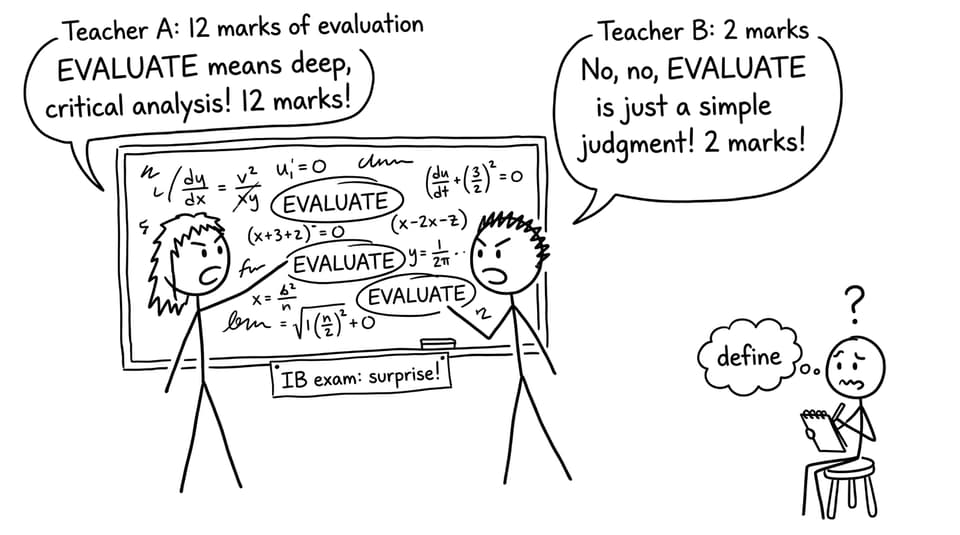
Misalignment is exhausting. One teacher wants lots of evaluation. Another rewards short definitions. You then revise by trying to mind-read.
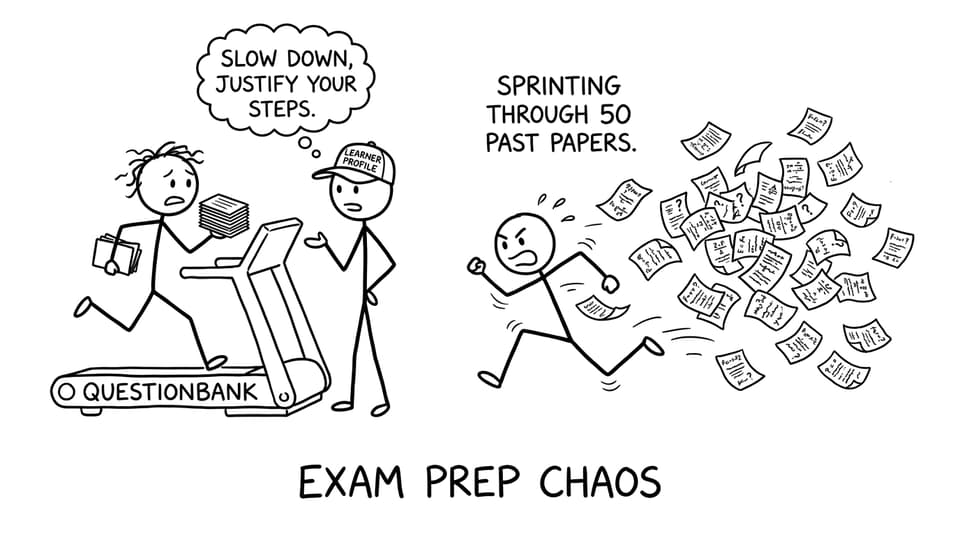
Alignment lowers the guesswork. It standardizes what strong responses look like, so your IB practice becomes cleaner. And clean practice compounds.
If you want a practical model for that “clean practice” mindset, use the workflow described in RevisionDojo App: The Smarter Way to Prep for IB Exams and treat your mistakes like data, not drama.
Skills carry across units instead of restarting every term
A well-planned IB department doesn’t “reintroduce” communication or reflection every time a new unit begins. Those become routines.
That matters because in the IB, routines win under pressure. If you’ve practiced structuring explanations weekly, you don’t panic when a question demands clarity. If you’ve practiced evaluation weekly, you don’t suddenly learn it in the last month.
Feedback becomes usable instead of random
In aligned departments, feedback is written in a shared language. That means you can actually apply it.
Usable feedback is one of the fastest paths to higher IB performance because it tells you what to change next, not just what was wrong.
How IB departments embed the Learner Profile (and how you can mirror it)
You might never see the meeting notes, but you live with the outcomes. Here are common alignment moves in IB departments, plus how you can copy the same logic while revising.
Translate the IB Learner Profile into subject behaviors
Departments often take the Learner Profile and make it concrete by subject.
-
Sciences: Inquirers and Thinkers (designing methods, interpreting results)
-
Humanities: Open-minded and Principled (weighing perspectives with ethical reasoning)
-
Languages: Communicators and Reflective (precision, voice, revision)
How you mirror this: pick one Learner Profile attribute as the “behavior target” for a study block.
Example: “Thinker” doesn’t mean you feel thoughtful. It means you justify each step and name assumptions.
Then pressure-test the behavior with questions, not rereading. The fastest tool for this is the RevisionDojo Questionbank.
Put the Learner Profile into tasks that force visible evidence
Alignment becomes real when an attribute changes what you must produce.
A unit plan that says “Communicator” but never demands structured explanation is decoration.
Aligned tasks link an attribute to observable output, like:
-
Communicator: a tight paragraph using correct terminology and logical signposting.
-
Principled: claims that cite evidence and acknowledge limits.
-
Reflective: a second attempt after feedback, with a short note on what changed.
How you mirror this: after learning content, create an output that matches the attribute, then convert it into active recall.
For memory, use Flashcards. If you want a simple method for making them stick, follow How to Effectively Use Flashcards for Revision.
Align assessments and rubrics to Learner Profile behaviors
The IB mark schemes often reward the same behaviors departments try to build: structured reasoning, relevant evidence, coherent evaluation, clear communication.
So aligned departments design rubrics and common assessment approaches that reinforce those behaviors consistently.
If you want to understand the direct link between Learner Profile traits and scoring, read How Is the IB Learner Profile Reflected in Assessments?.
How you mirror this: treat feedback as a “rubric mirror.” Instead of doing ten new tasks, rewrite one paragraph, one calculation explanation, or one evaluation section.
This is where RevisionDojo’s Grading tools and AI Chat shine: you can get immediate, criterion-aware feedback, apply it, and retest while the learning is still warm.
Make reflection a habit, not a motivational quote
Strong IB departments don’t “do reflection” once a term. They weave it into the cycle.
A simple reflection loop looks like:
-
What attribute were we building?
-
What evidence showed it?
-
What blocked it?
-
What changes next time?
How you mirror this: keep a mistake log with Learner Profile labels.
-
Thinker mistake: “I applied the method without checking conditions.”
-
Communicator mistake: “My explanation didn’t use the command term language.”
-
Reflective mistake: “I didn’t retest within 48 hours, so the error repeated.”
If your routine has collapsed and you need a calmer reset, use How to Study for IB Exams When You Feel Behind.
The evidence that proves alignment (and what you can generate fast)
Departments look for evidence like moderation notes, student reflections, and shared rubrics. You can create your own “alignment evidence” that also improves scores:
-
Weekly Questionbank results by topic (weaknesses becoming strengths)
-
Flashcard accuracy trends (memory becoming stable)
-
Timed Mock Exams score trends (pacing becoming reliable)
-
One rewritten response after feedback (reflection turning into marks)
If you want the bigger picture of what the IB is building in you beyond content, Lessons the IB Teaches That School Never Mentions is worth keeping open while you revise.
Using the IB Learner Profile on a bad study day
On a bad day, you won’t feel like an “Inquirer.” You’ll feel like a person with deadlines and low battery.
The value of alignment is that it gives you a script you can follow anyway:
-
Inquirer: ask one precise question in AI Chat, then test it.
-
Thinker: do five hard questions slowly, writing the justification.
-
Communicator: produce one clean paragraph with correct terms.
-
Reflective: fix one recurring error, retest tomorrow.
Those are IB behaviors. They are also exam behaviors.
Closing: make IB alignment practical
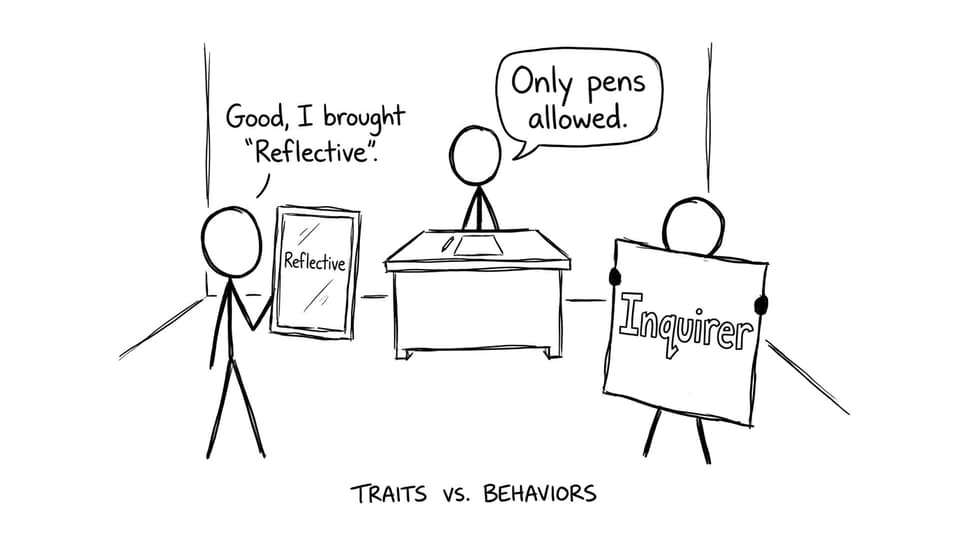
The IB Learner Profile isn’t a personality quiz. It’s a description of the behaviors the IB rewards: acrossacross subjects, across years, and especially under exam pressure.
When departments align planning to those behaviors, your experience becomes more consistent: clearer expectations, steadier feedback, and fewer last-minute surprises.
You can create the same advantage in your own IB revision. Build an alignment loop: learn with Study Notes, retain with Flashcards, train with the Questionbank, get unstuck with AI Chat, and pressure-test with Mock Exams and Predicted Papers. Then use Grading tools, the Coursework Library, and Tutors when you need deeper feedback.
Start here: RevisionDojo for IB. Consistency is the quiet superpower in the IB, and alignment is how you earn it.

