
Acute injuries don’t send a calendar invite. They happen in the one second you land awkwardly, collide, or twist faster than your body can control. Chronic injuries are sneakier: they arrive like background noise, building session after session until “a little sore” becomes “I can’t ignore this.”
In IB SEHS, that contrast matters because exam questions reward precision: onset, mechanism, and prevention must match the injury type. If you mix them up, your answer can sound confident while quietly losing marks.
IB SEHS quick checklist: how to tell acute vs chronic
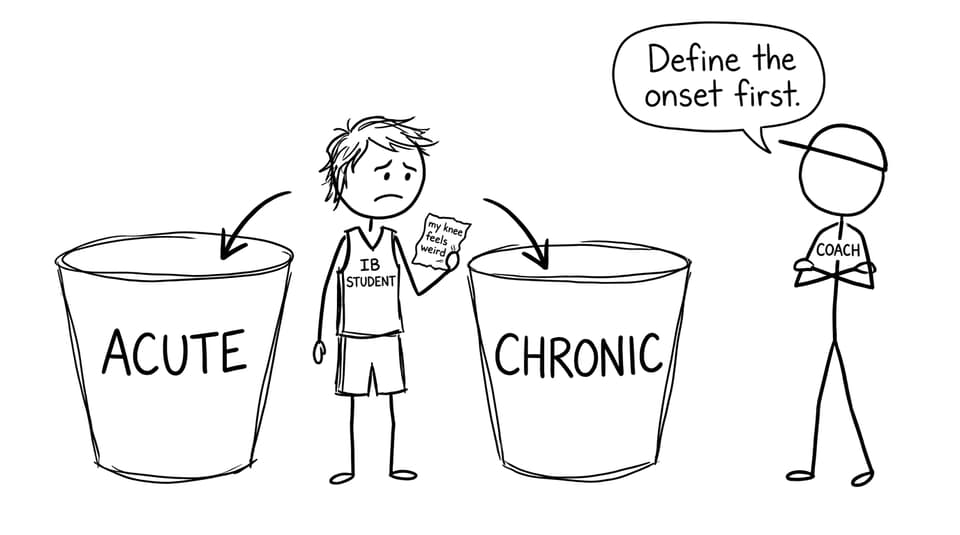
Use this fast filter when you see a scenario in IB SEHS:
-
Onset: sudden (acute) vs gradual (chronic)
-
Cause: one high-force event (acute) vs repeated submaximal loading (chronic)
-
Symptoms: immediate pain/swelling (acute) vs creeping discomfort that worsens (chronic)
-
Examples: sprain/fracture/tear (acute) vs tendon pain/shin pain/stress injury (chronic)
-
Best prevention angle: technique + safe movement (acute) vs load management + recovery (chronic)
For syllabus-aligned injury content, start at the IB SEHS resources hub and zoom into injury-specific sections.
Acute injuries in IB SEHS: sudden trauma, clear moment
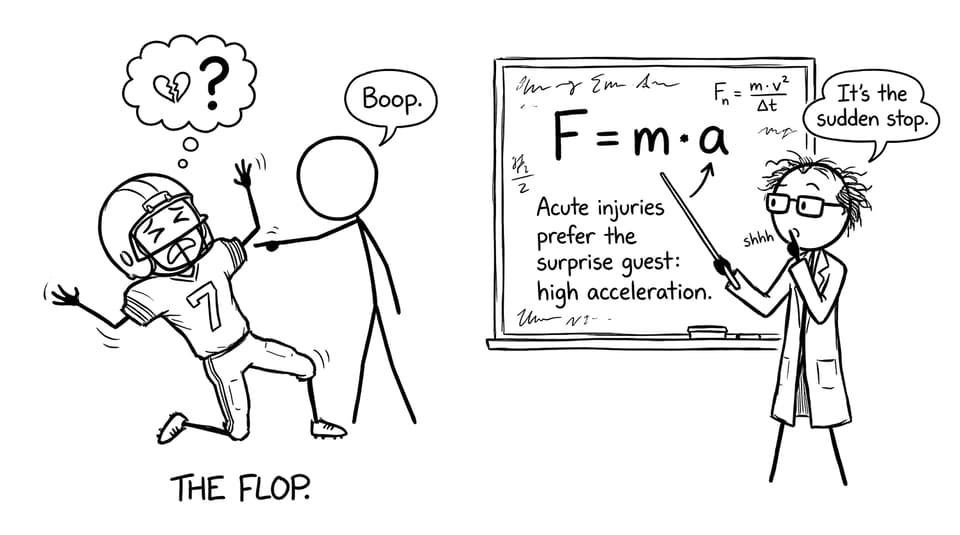
An acute injury occurs suddenly, typically from a single traumatic event. In IB SEHS, you’ll often link acute injuries to forces and biomechanics: high impact, rapid deceleration, awkward joint positions, or contact.
Common mechanisms you can describe in exam language:
-
Collision/contact (external force)
-
Fall or awkward landing (poor force absorption)
-
Sudden change of direction (high joint loading)
-
Explosive acceleration/deceleration (high loading rate)
Typical acute examples include sprains, fractures, dislocations, and muscle tears. If you want to add force vocabulary to your answer, revise the biomechanics backdrop in B.2 Forces, motion and movement.
Chronic injuries in IB SEHS: cumulative trauma and overuse
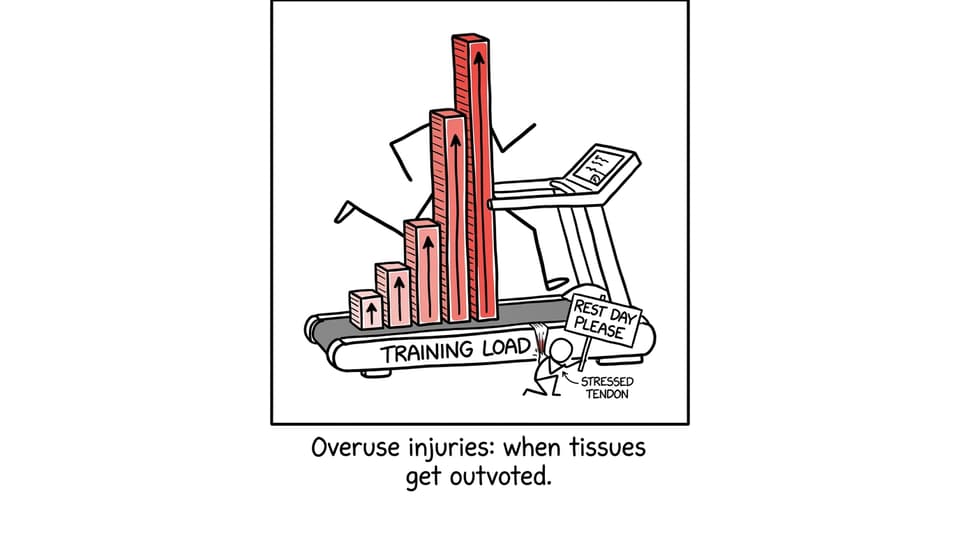
A chronic injury develops gradually over time due to repetitive stress. These are often called overuse injuries. In IB SEHS, the key idea is not one dramatic moment, but repeated loading that tissues can’t fully recover from.
Common contributors:
-
Training errors (sudden spikes in volume or intensity)
-
Inadequate recovery or sleep
-
Poor technique repeated thousands of times
-
Equipment/footwear that changes loading patterns
Examples commonly used in IB SEHS answers include tendinopathy/tendonitis, stress fractures, and shin splints.
Exam scoring move: compare them the way examiners mark
When a prompt asks you to “distinguish” or “compare,” use parallel structure. In IB SEHS, that usually means writing two tight mini-definitions and then anchoring each with an example:
-
Acute: sudden onset from a single event (e.g., ankle sprain on landing).
-
Chronic: gradual onset from repetitive loading (e.g., shin splints during a high-volume running block).
Then add one prevention link that matches each mechanism. For injury prevention phrasing, see Injury Prevention Strategies in Sport.
Prevention strategies you can apply in IB SEHS scenarios
Prevention is where many IB SEHS answers become “excellent” instead of “good.” Match strategy to cause:
-
Acute: improve technique, safer cutting/landing mechanics, appropriate protective equipment
-
Chronic: manage training load, add rest days, progress gradually, correct repeated movement faults
To revise the official injury content and vocabulary, use B.3.1 Causes of injury Notes and drill application with the B.3.1 Causes of injury Questionbank. If you want rapid definition recall, the B.3.1 Causes of injury Flashcards are built for that.
Bring it home with RevisionDojo
The goal in IB SEHS isn’t just knowing the difference between acute and chronic sports injuries. It’s being able to spot the clues in a scenario and write like the markscheme thinks. RevisionDojo helps you do that with exam-style practice in the Questionbank, fast recall through Flashcards, clear Study Notes, and AI Chat when a definition still feels slippery.
If you’re revising injury management too, continue with B.3.2 Interventions related to injury and the guided Lessons for B.3.2. For more exam-focused reading, browse all IB SEHS posts.
When you can label an injury in one sentence and justify it in the next, IB SEHS questions stop feeling like traps and start feeling like points you can collect.