
A quick story about identity (and why it matters in IB Geography)
You can watch cultural identity change in real time at almost any school cafeteria. Someone switches languages mid-sentence. A traditional lunch sits next to a global fast-food logo. A new slang word appears, and within a week it belongs to everyone.
That small scene is basically the IB Geography question: why do cultural identities change over time? In the Human Development and Diversity unit, cultural identity isn’t treated as a museum artifact. It’s treated like something living: shaped by place, power, mobility, and media.
Exam checklist: the 5 drivers to name fast
When you’re planning a IB Geography response, try this quick frame:
-
Globalisation (flows of ideas, brands, media)
-
Migration (diasporas, hybridity, integration debates)
-
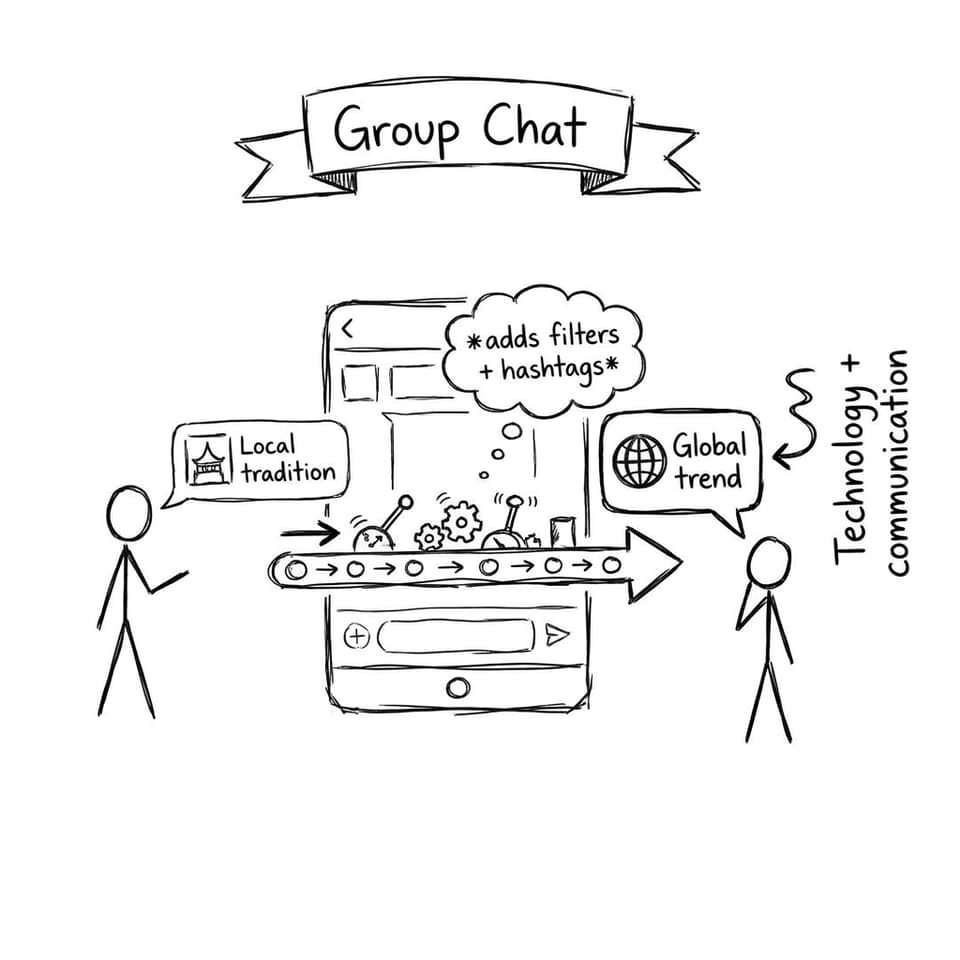
Technology + communication (speed and scale of diffusion)
-
Economic development + urbanisation (changing roles, values, lifestyles)
-
Power + resistance (policy, identity movements, language protection)
For syllabus-aligned practice, start with IB Geography Topic 5: Human Development and Diversity and then pressure-test your explanations in the Questionbank.
Globalisation: when culture travels faster than people
Globalisation changes cultural identity by increasing contact between places. Global brands, music, streaming, and fashion don’t just arrive; they settle into everyday life. Over time, this can create cultural homogenisation, especially among younger groups who share similar online spaces.
In IB Geography, a strong answer also adds nuance: globalisation can produce hybridisation (blending) rather than total sameness. Students might keep a local festival but share it through global platforms, turning it into something both local and global.
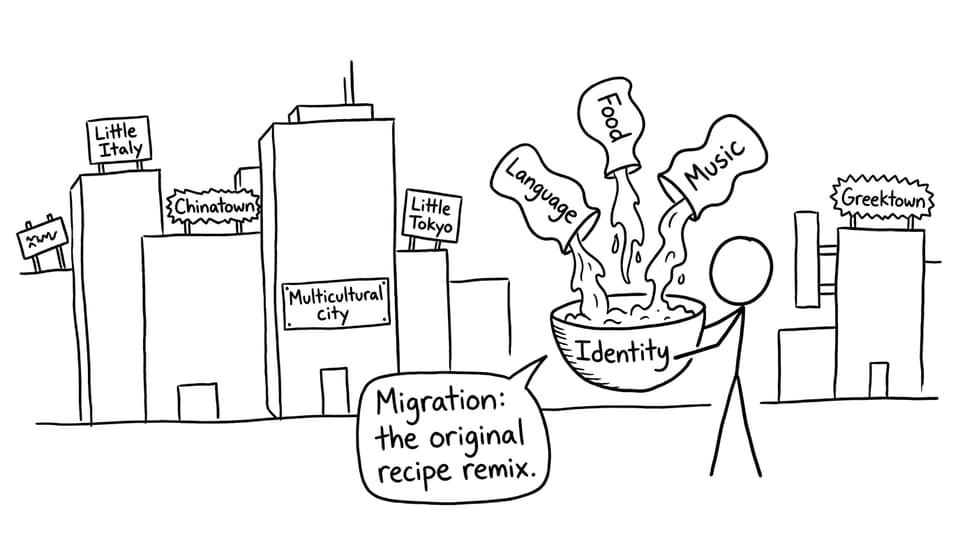
Migration: identity as a “mixing bowl,” not a switch
Migration shifts cultural identity because people carry language, religion, food, and social norms across borders. In destination cities, identities often become layered: someone can be strongly tied to heritage culture while also adopting elements of the host society.
This is how multiculturalism and diaspora communities become geographic processes, not just social labels. For a related population angle, see IB Geography: How Migration Reshapes Urban Populations.

Technology and communication: the accelerator pedal
If globalisation is the network, technology is the speed. Social media and messaging platforms reduce the friction of distance. Cultural symbols spread instantly, get copied, remixed, and then re-exported back to their place of origin.
For IB Geography exam writing, link this to time-space compression and explain impacts: traditional practices may decline, but some traditions also get revived because communities can organise, teach language, and share content online.

Development and urbanisation: when lifestyles (and values) shift
As economies develop, everyday life changes: education expands, jobs move into services, and urban living becomes more common. These shifts can alter family structures, gender expectations, and the perceived “status” of certain languages or customs.
If you want a clean way to connect identity to development data in IB Geography, pair this topic with How Is Human Development Measured? and What Role Does Education Play in Human Development?.
Power and resistance: cultural change is contested
Cultural identity doesn’t only change because people “absorb” influences. It changes because governments and communities make choices. Language policies, education curricula, media rules, and national identity campaigns can strengthen some identities and marginalise others.
Equally, communities resist. Indigenous rights movements, local language protection, and anti-globalisation campaigns show that culture is also a political project. For that angle, use Resistance to Global Interactions Notes.
Closing: cultural identity changes because geography changes
In IB Geography, cultural identity changes over time because the world’s connections change over time: people move, ideas travel, technology accelerates diffusion, development reshapes lifestyles, and politics decides what gets protected or promoted.
If you want to turn that understanding into marks, revise this unit through Human Development and Diversity, drill command-term questions in the Questionbank, and keep your definitions tight with the Flashcards.