
A light switches on in an empty room. A tap drips all night. A delivery arrives wrapped in layers of plastic you never asked for.
Most resource waste isn’t dramatic. It’s quiet. And that’s exactly why IB Geography cares about resource efficiency: using fewer inputs (energy, water, materials) to deliver the same (or better) outputs, with less waste and lower environmental impact.
Technology is often the character we expect to save the story. In reality, it’s more like a powerful tool in a messy toolbox: effective, imperfect, and always shaped by cost, access, and governance. If you can show that balance in IB Geography, your evaluation jumps.
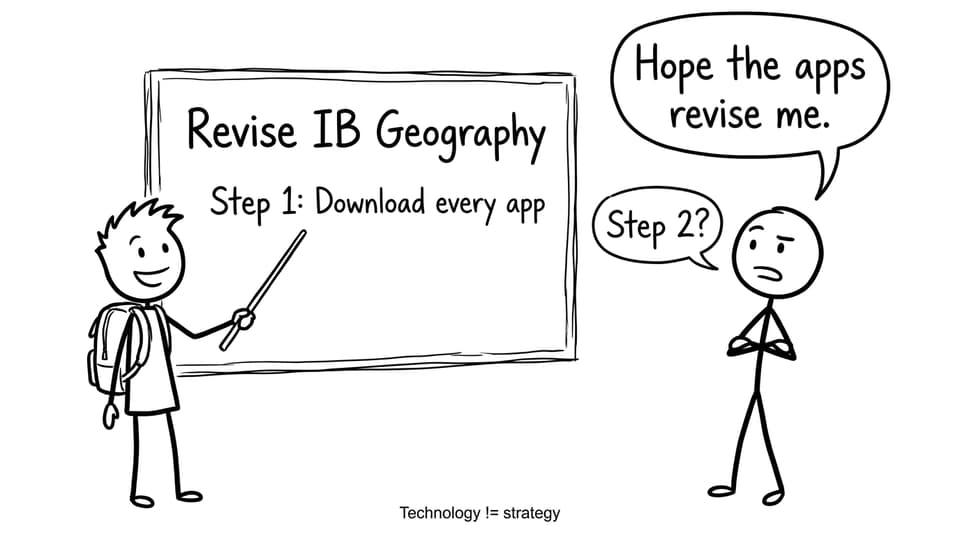
Quick exam checklist for IB Geography
Before you write, keep this simple structure in mind (it works for 6-, 10-, and 16-mark responses):
-
Define resource efficiency clearly.
-
Explain how technology improves efficiency (mechanism, not just listing).
-
Add a specific example (place or sector).
-
Evaluate using limits: cost, access, rebound effect, and reliance on scarce minerals.
-
Conclude with a judgement linked to resource security.
For topic coverage and aligned practice, start at the IB Geography hub.
How technology improves resource efficiency in IB Geography
Energy: generating more, wasting less
Energy is where efficiency gains can be both visible (solar farms) and invisible (smart controls). Renewable technologies like solar panels, wind turbines, and hydropower reduce reliance on fossil fuels and typically lower greenhouse gas emissions. But the efficiency story also includes what happens after electricity is produced.
Smart grids and improved battery storage reduce transmission losses, balance supply and demand, and help integrate intermittent renewables. At the household and building scale, efficiency tech (LEDs, insulation design, sensors, heat pumps) cuts energy demand without cutting outcomes.
To link this to the syllabus, connect it to the Global Resource Consumption and Security unit using Global Resource Consumption and Security notes and drill mechanisms via the Questionbank.
Water: precision beats volume
Water efficiency improves most when technology reduces losses and targets use. Drip irrigation delivers water directly to roots, cutting evaporation and runoff. In cities, leak detection and network monitoring can prevent huge “non-revenue water” losses.
Water recycling and wastewater treatment also support resource efficiency by allowing reuse in agriculture and industry, easing pressure on freshwater sources. In IB Geography, describe the technology, then add the system effect: better reliability, lower extraction, and improved long-term water security.
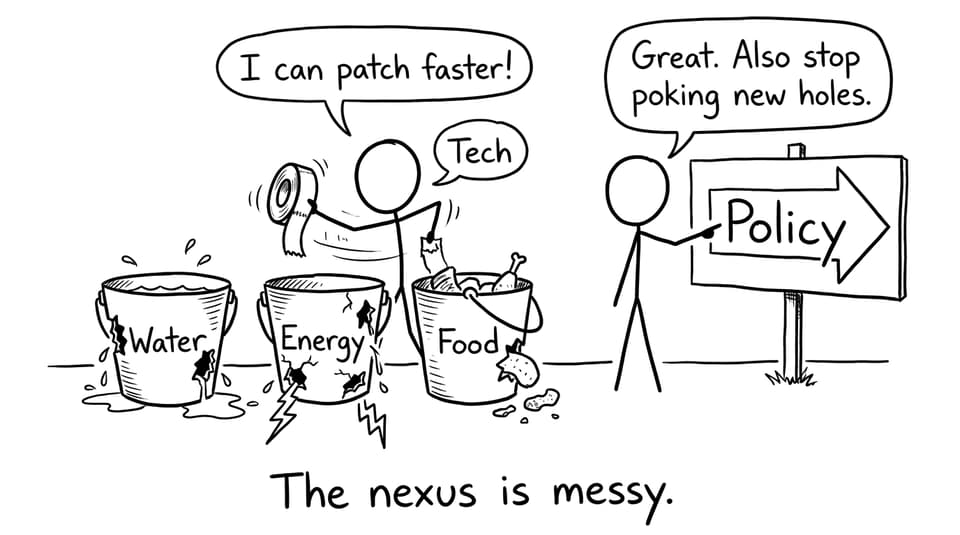
A useful way to connect sectors is the Water, Food and Energy nexus explainer, which helps you show synopticity under exam time pressure.
Food: data-driven farming
In food systems, resource efficiency is about producing more nutrition per unit of land, water, and energy. Precision agriculture uses sensors, data, and GPS to apply fertilisers, pesticides, and water only where needed. That lowers input costs and reduces pollution.
Improved crop varieties can raise yields or drought resistance, reducing the need to expand farmland into forests. In IB Geography, this is a strong opportunity to evaluate: higher yields can reduce pressure on ecosystems, but tech access is uneven and can widen inequalities between regions.
If you need case study structure fast, use IB Geography case study checklist.
Waste: turning “end of life” into “new input”
Recycling tech and better sorting systems keep materials in use longer, lowering demand for raw extraction. Waste-to-energy can reduce landfill volumes while generating electricity, but it must be evaluated carefully (emissions, lock-in effects, and whether it discourages reduction).
This fits neatly with stewardship thinking. Pair your tech points with strategies from Resource stewardship strategies notes so your answer doesn’t read like “tech-only optimism.”
The IB Geography evaluation that earns marks
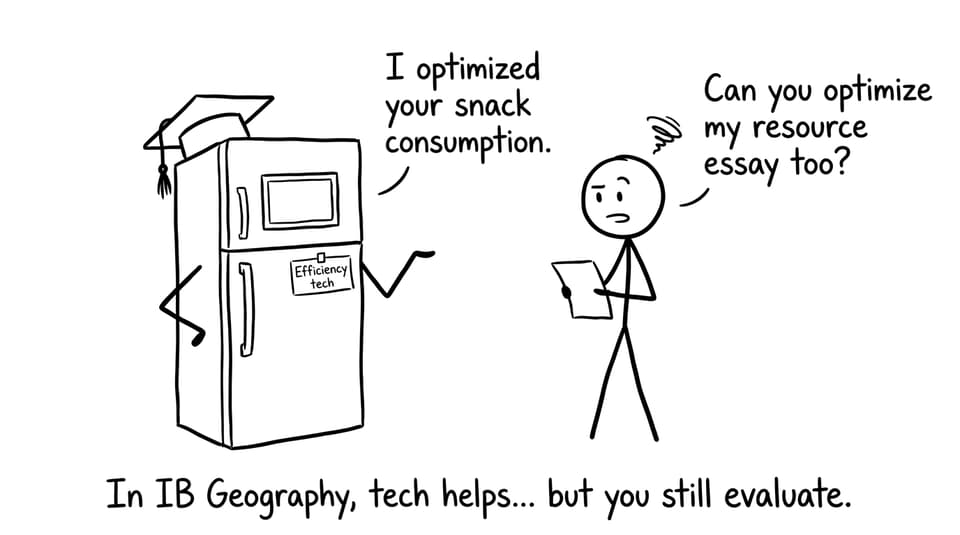
Technology is rarely the whole solution. Examiners reward you for saying why.
-
Cost and access: High upfront costs mean low-income countries may adopt slower, even when benefits are clear.
-
Resource inputs: Many technologies depend on critical minerals and rare earths, shifting pressure to new places.
-
Rebound effect: Efficiency can lower prices and increase consumption (using “less per unit,” but more units overall).
-
Governance matters: Without policy and behaviour change, resource efficiency gains can stall or reverse.
If you want a model for balanced judgement, compare tech to wider approaches in resource stewardship effectiveness.
Bringing it back to RevisionDojo
In IB Geography, technology is a high-scoring theme because it sits inside bigger debates: inequality, governance, and long-term resource security. Your job isn’t to praise innovation. Your job is to explain mechanisms and judge outcomes.
To train that skill quickly, use RevisionDojo’s IB Geography resources alongside Study Notes, Flashcards, AI Chat, and the Questionbank to practise exam-style explanations. When you’re ready to simulate real exam pressure, add Mock Exams, Predicted Papers, and the Grading tools to tighten structure and evaluation. And if you want personal feedback on weak spots, RevisionDojo Tutors can help you turn “I get the topic” into “I can score on it.”