
The question hiding inside every “sustainability” essay
In IB Geography, “resource stewardship” can sound like a tidy phrase you memorise, define, and move on from. But in the exam hall, it behaves more like a stress test: it asks whether societies can resist short-term pressure long enough to protect long-term wellbeing.
Think of stewardship as a promise made to the future using today’s laws, budgets, and behaviour. Sometimes that promise holds. Often it frays at the edges, where governance is weak, demand is relentless, or communities are excluded.
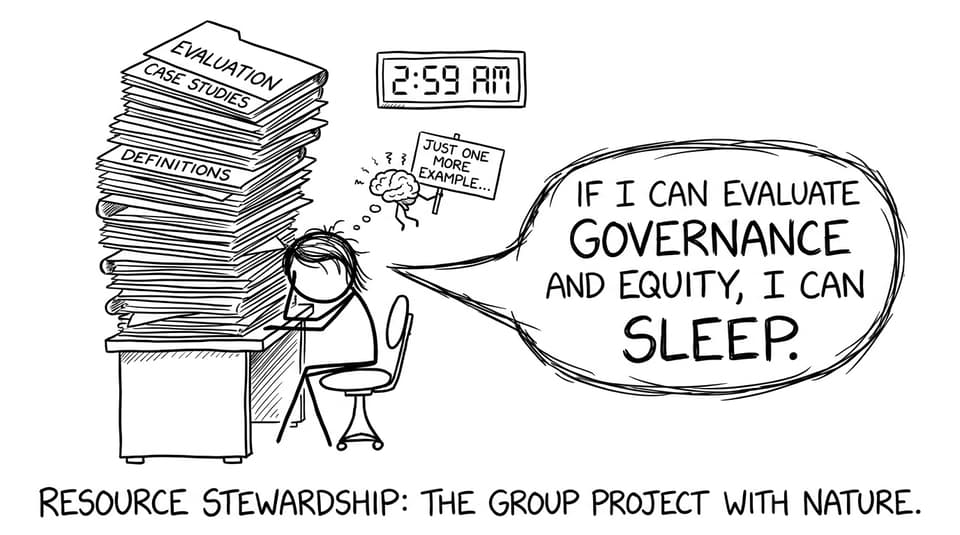
To revise the syllabus content fast, anchor yourself in the core unit: Resource stewardship possibilities. It frames stewardship as possibilities, not guarantees, which is exactly the evaluation mindset IB Geography rewards.
Quick evaluation checklist (use this in any 10-marker)
When you’re asked “How effective is resource stewardship in ensuring sustainability?” use this checklist:
-
Long-term planning: Are extraction and renewal balanced?
-
Governance: Are rules monitored and enforced?
-
Equity: Who gains access, and who pays the environmental cost?
-
Consumption pressures: Does demand undermine the policy?
-
Capacity: Do finance and technology exist to implement the plan?
Build your examples around stewardship strategies from Resource Stewardship Strategies notes, then practise turning them into evaluation with the IB Geography Questionbank.
Why resource stewardship can be genuinely effective
It forces long-term thinking (when politics allows it)
A key strength of resource stewardship in IB Geography is that it shifts decision-making away from quick wins. Sustainable forestry, regulated fishing quotas, and water management plans are built around time, including regeneration cycles, seasonal flow, and ecosystem recovery. When it’s done well, stewardship reduces degradation and protects ecosystem resilience.
Revision tip: whenever you describe a strategy, add one line that links process to outcome (e.g., “quotas reduce stock collapse, protecting livelihoods and biodiversity”). That single sentence often separates description from evaluation.
It works best with strong governance and enforcement
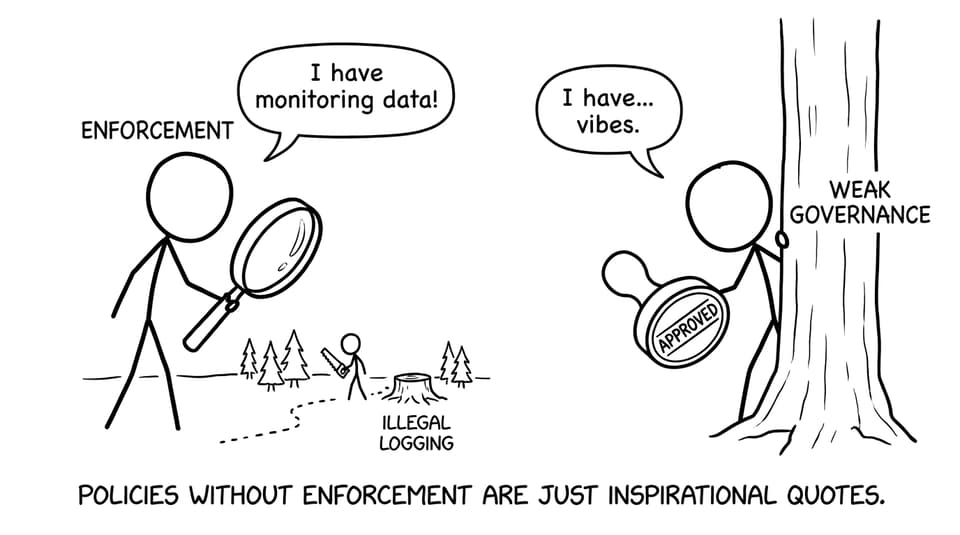
Stewardship frameworks depend on monitoring systems, legal clarity, and enforcement capacity. Without those, policies become symbolic. In exam language: effectiveness is “high where governance is strong; limited where governance is weak.”
If you need a clean way to write this, use a synthesis template from Synthesis and Evaluation notes and apply it to stewardship.
It can improve equity when communities help manage resources
Resource stewardship can be fairer when local stakeholders participate in decisions and benefit from sustainable outcomes. Community-based management often increases compliance because the resource is tied to everyday survival: water access, fish stocks, soil quality, forest products.
In IB Geography, this is where you can show nuance: local involvement can improve sustainability, but only if power is genuine and not tokenistic.
Why resource stewardship fails (even when the plan looks perfect)
Economic pressure short-circuits sustainability
Many countries face intense incentives to prioritise growth, jobs, or export earnings. Even well-designed stewardship can weaken when budgets shrink or when lobbying pushes for higher extraction. In your essay, treat “political will” as a variable, not an assumption.
Global responsibility is uneven
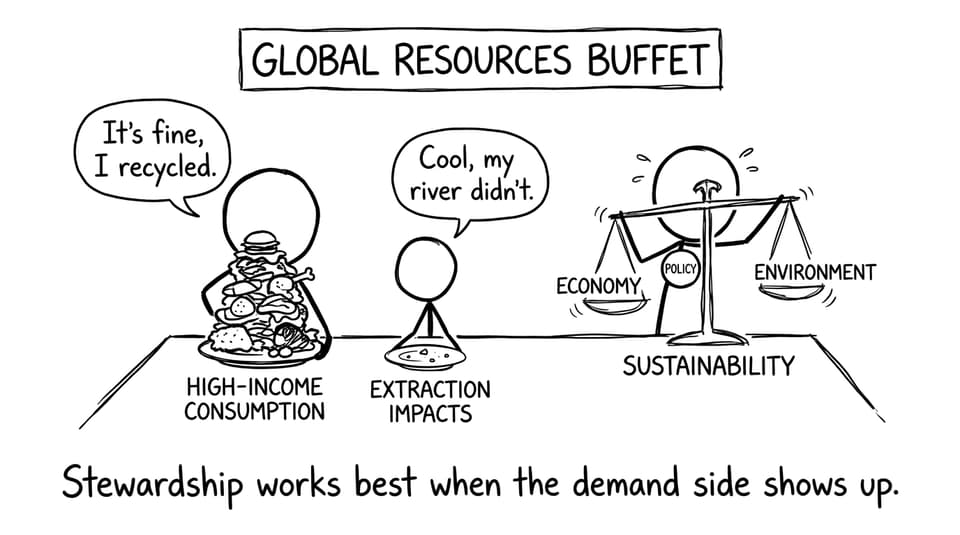
A major limitation is that high-income consumption often drives extraction elsewhere. Stewardship focused only on production ignores the demand side. That’s why examiners like answers that connect stewardship to responsible consumption and systems thinking.
Link this to wider syllabus thinking using the IB Geography Resources hub and, if you need case study structure, the guide to IB Geography case studies.
Technology and finance create a capacity gap
Sustainable monitoring (satellite data, patrols, water infrastructure, certification systems) costs money. Low-income countries may want stewardship but lack the tools to implement it. A strong IB Geography evaluation acknowledges that effectiveness often depends on international cooperation, funding, and technology transfer.
Closing: The real measure of stewardship
Resource stewardship can be highly effective in ensuring sustainability, but only under the right conditions: long-term planning, real enforcement, and fair participation, plus a demand-side shift that stops outsourcing damage. That is the evaluative heart of IB Geography.
If you want to turn that judgment into exam marks, RevisionDojo is built for it: use the Questionbank for targeted practice, Study Notes and Flashcards for fast recall, AI Chat for clarifying tricky trade-offs, and Mock Exams plus Predicted Papers to rehearse under pressure. When you’re ready, add the Coursework Library and Tutors to sharpen case studies and evaluation lines that sound like an examiner wrote them.