



The moment German stops being “fun”
There’s a specific day in IB German Ab Initio when motivation quietly changes shape. At first, it’s exciting: new sounds, neat phrases, the thrill of introducing yourself in a new language. Then a worksheet asks you to choose the correct article, move the verb to the end, and explain your weekend using a tense you’re not sure you’ve actually learned. Suddenly, the course doesn’t feel like “learning a language” anymore. It feels like juggling.
That’s why so many students describe IB Languages as a different kind of subject: you can’t cram fluency the night before. You build it slowly, almost invisibly, until exam day reveals whether the foundations are solid.
This 2025 guide breaks down the biggest challenges in IB German Ab Initio, and what to do about each one.
Quick checklist: what usually causes the most mark loss
If your grade feels “stuck,” it’s often one (or more) of these:
-
Grammar accuracy slips (cases, word order, verb forms)
-
Vocabulary is broad but not usable in sentences
-
Listening feels too fast to decode
-
Speaking confidence collapses under pressure
-
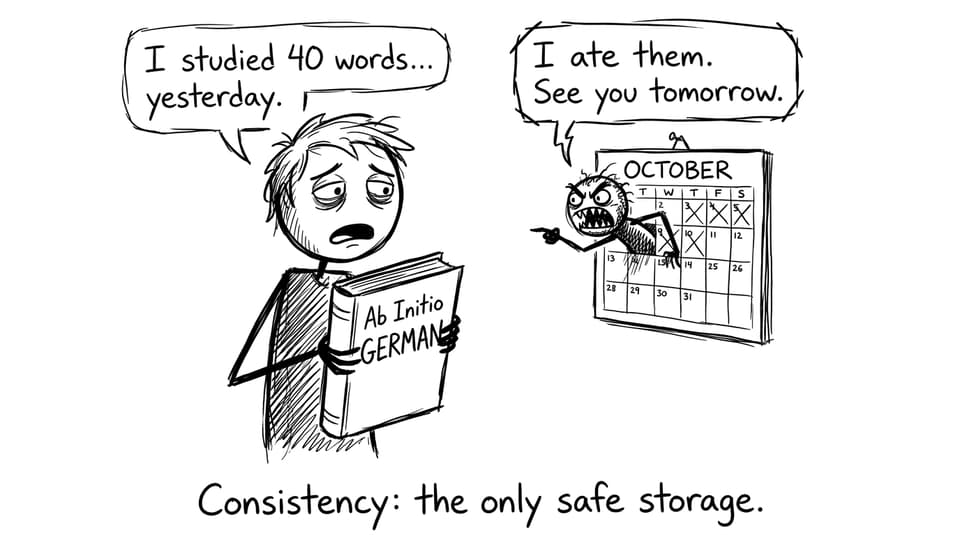
Practice is inconsistent because other subjects crowd the timetable
-
Cultural ideas exist in English, but won’t come out in German
-
Exam skills lag behind language knowledge (timing, format, task requirements)
A strong IB Languages plan fixes these in a loop: learn, recall, practice, get feedback, repeat.
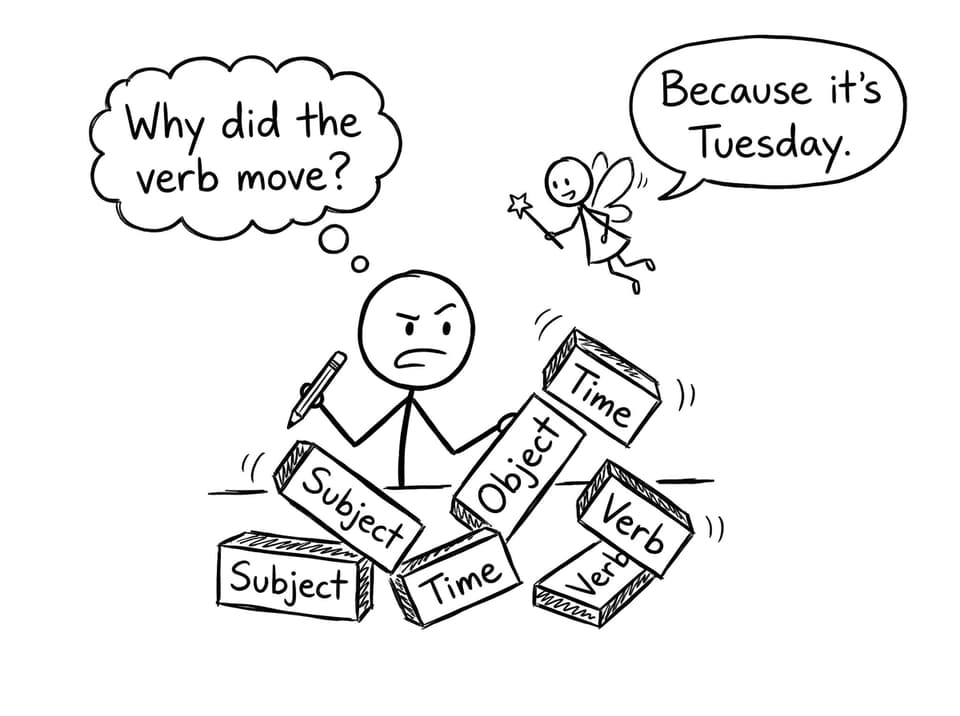
Grammar complexity: when “small mistakes” aren’t small
German grammar is the steepest early hill for many beginners. The classic pain points are:
-
Cases (nominative, accusative, dative, genitive)
-
Word order, especially when subordinate clauses push the verb to the end
-
Gendered nouns (der/die/das) and article changes
Why it feels so hard is not just complexity; it’s consequence. In English, slightly messy grammar can still communicate. In German, the wrong case or verb position can blur meaning, and in exams that often translates into lost marks.
What helps: pick a “high-accuracy core” and protect it. Aim for clean present tense, modal verbs, and the most common case patterns before you chase advanced structures. If you need a structured list of what matters most, use What Grammar Topics Are Most Important in IB German Ab Initio? (2025 Guide) and turn each sub-skill into daily micro-drills.
Vocabulary load: knowing many words but saying very little
German vocabulary can feel endless, especially with compound words that look like someone glued three nouns together. The trap is memorizing lists without building retrieval pathways.
The real challenge isn’t “learning vocabulary.” It’s being able to use it under timed conditions. In IB Languages, the exam rewards usable language: phrases, collocations, sentence frames, and topic-specific chunks.
What helps: learn vocabulary by theme and always attach it to a sentence you could realistically write in Paper 1 or say in the oral. RevisionDojo’s German ab initio - IB Resources is useful here because it centralizes themed learning, practice, and feedback so your vocabulary stops living in isolation.
Listening comprehension: when your brain can’t keep up
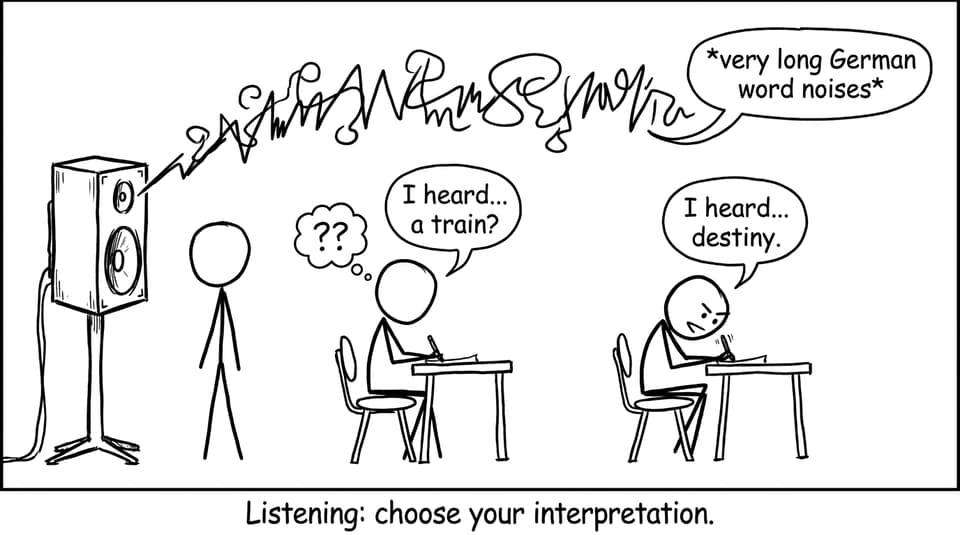
Listening is often the most emotionally frustrating component. You can study for hours, then a recording starts and it feels like the words arrive as one long wave.
Common reasons:
-
Native pace is faster than your internal “translation speed”
-
Long words reduce segmentation (you can’t tell where one idea ends)
-
Unfamiliar accents or pronunciation patterns throw you off
What helps: train for “gist first, details second.” Your first pass should identify topic, mood, and obvious facts. Only then hunt for specifics. If you want practice aligned to how the assessment actually works, start with RevisionDojo’s Paper 2 pathways like Paper 2 Reading and build up with timed sets.
Speaking confidence: the fear of “going blank”
The oral exam doesn’t just test German. It tests what happens to your German when adrenaline hits.
Students struggle because they:
-
Try to translate directly from English mid-sentence
-
Avoid risk, so their answers become too short to score well
-
Don’t have enough “rescue language” (fillers, connectors, opinion frames)
What helps: build a small set of flexible speaking frames you can reuse across themes. Examples include opinion starters, compare/contrast phrases, sequencing words, and polite stalling (“That’s an interesting question…” style). Then practice picture description regularly so your brain gets used to producing language on demand.
To understand how each component is assessed (and why speaking practice should shape your weekly plan), see IB German Ab Initio Exam Format (2025 Guide).
Time management: the quiet challenge that creates all the others
Most students don’t fail IB Languages because they’re incapable. They fall behind because language requires frequency, and IB life rewards urgency.
German is the subject that punishes “I’ll catch up this weekend.” Miss a week of recall and your vocabulary becomes passive. Miss a month and even basic structures feel rusty.
What helps: a 15-minute daily minimum that is too small to negotiate with. Use Flashcards for spaced repetition, then add one short practice task (a mini-writing, a listening clip, or a speaking recording). RevisionDojo’s broader workflow guides, like RevisionDojo App: The Smarter Way to Prep for IB Exams, are helpful because they turn language learning into a repeatable system: Study Notes for clarity, Flashcards for recall, Questionbank for exam-style practice, AI Chat for quick explanations, and Grading tools for targeted improvement.
Cultural understanding: having ideas but not the language for them
Ab Initio expects cultural awareness inside the five themes (Identities, Experiences, Human Ingenuity, Social Organization, Sharing the Planet). The challenge is that your cultural knowledge might be strong in English, while your German is still building.
What helps: prepare simple, accurate cultural sentences you can adapt. Even short lines show awareness when they are clear and relevant. If you want a clean theme overview to anchor your vocabulary and cultural points, use Core Themes - IB German ab initio.
Exam pressure: too many skills, not enough certainty
German Ab Initio tests writing, reading, listening, and speaking, and each skill needs different preparation. The pressure comes from switching modes: you might feel good at reading but weak at speaking, then panic because the exam demands balance.
What helps: rotate skills across the week instead of “revising German” as one block. And when you need exam-accurate direction, lean on focused resources like What Is IB German Ab Initio? Complete 2025 Guide and What Study Resources Are Best for IB German Ab Initio?.
Closing: turning challenges into a system
The biggest challenges in IB German Ab Initio: grammar precision, heavy vocabulary, fast listening, oral pressure, time management, cultural expression, and exam variety, are real. But they’re also predictable. And predictable problems can be trained.
If you want a calmer way to prepare for IB Languages, build your routine around RevisionDojo: use Study Notes to clarify what matters, Flashcards to keep vocabulary alive, the Questionbank to practice in exam style, AI Chat to unblock confusion quickly, Grading tools to tighten writing, and Mock Exams plus Predicted Papers to rehearse pressure before it counts. Start with the dedicated German ab initio - IB Resources hub, and make German the subject you touch daily, briefly, consistently, and on purpose.