
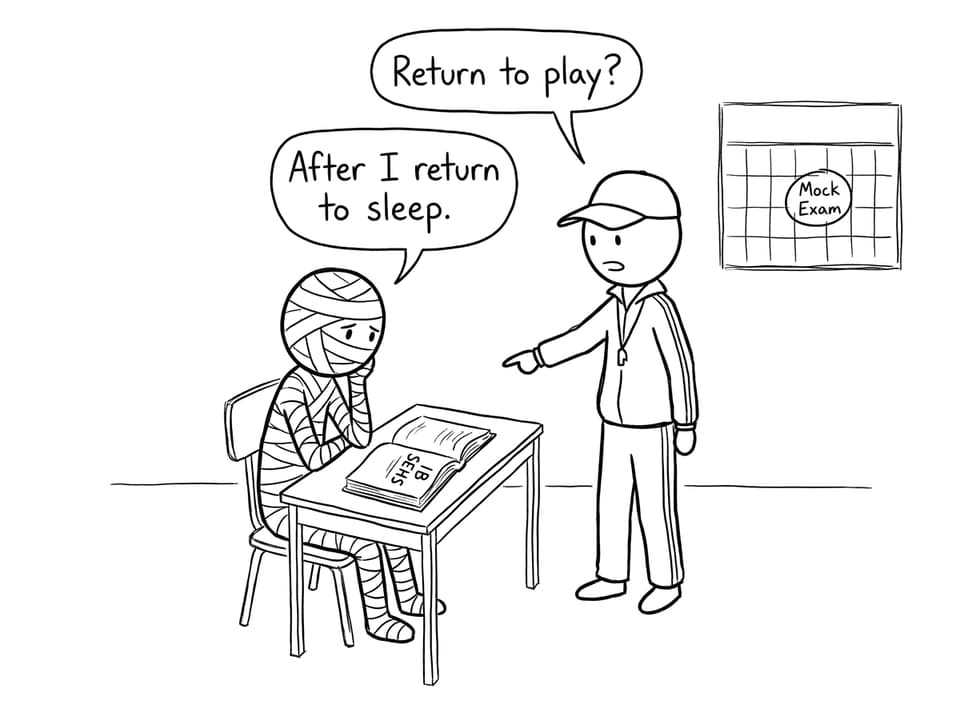
In sport, the most dangerous moment often isn’t the injury itself. It’s the day you feel “almost fine” and decide that “almost” is close enough.
That’s why IB SEHS treats rehabilitation and return to play as more than common sense. It’s a testable process: restore function, rebuild capacity, prove readiness, then reintroduce performance without spiking reinjury risk. If you can explain that journey clearly, you pick up easy marks.
IB SEHS rehabilitation and return to play: the quick checklist
Use this as your IB SEHS exam scaffold:
-
Define rehabilitation as restoring function (not just “healing”)
-
Explain staged progression: early, mid, late
-
Emphasize criteria-based return to play (not time-based)
-
Link gradual load increases to reduced reinjury risk
-
Include psychological readiness and movement quality
For extra structure, keep your topic map open in the IB Sports, exercise and health science Resources.
What rehabilitation means in IB SEHS (and how to phrase it)
In IB SEHS, rehabilitation is a structured, progressive process that restores an athlete to full function after injury. “Full function” is the scoring phrase: it implies strength, range of motion, coordination, and control, not just absence of pain.
A strong sentence for short answers is:
Rehabilitation is a progressive program designed to restore normal movement, strength, flexibility, and control so the athlete can return to sport while minimizing reinjury risk.
If you want exam-style practice on this exact wording, drill the injury unit using the B.3 Injury - IB Questionbank.
Stages of rehabilitation (early, mid, late) in IB SEHS
Early stage: protect and settle
The early stage prioritizes tissue healing conditions: reduce pain and swelling, protect the injured area, and introduce controlled movement where appropriate. The key idea for IB SEHS is that doing nothing is rarely the whole plan; smart rehab uses safe movement to prevent stiffness and loss of function.
Mid stage: rebuild capacity
This phase focuses on restoring range of motion and increasing strength using low-load, controlled exercises. You can score by mentioning movement quality: if technique is poor, the athlete is rehearsing the same risky pattern that helped cause the injury.
Late stage: prove sport readiness
Late rehab reintroduces sport-specific actions (direction changes, landing mechanics, contact drills where relevant) and rebuilds confidence. For IB SEHS, the point is transfer: can the athlete perform the demands of their sport reliably, not just in a calm clinic?
To connect stages to syllabus language, revise the interventions section via B.3.2 Interventions related to injury and the supporting Lessons for B.3.2 Interventions related to injury.
Return to play: criteria beats the calendar (IB SEHS exam trap)
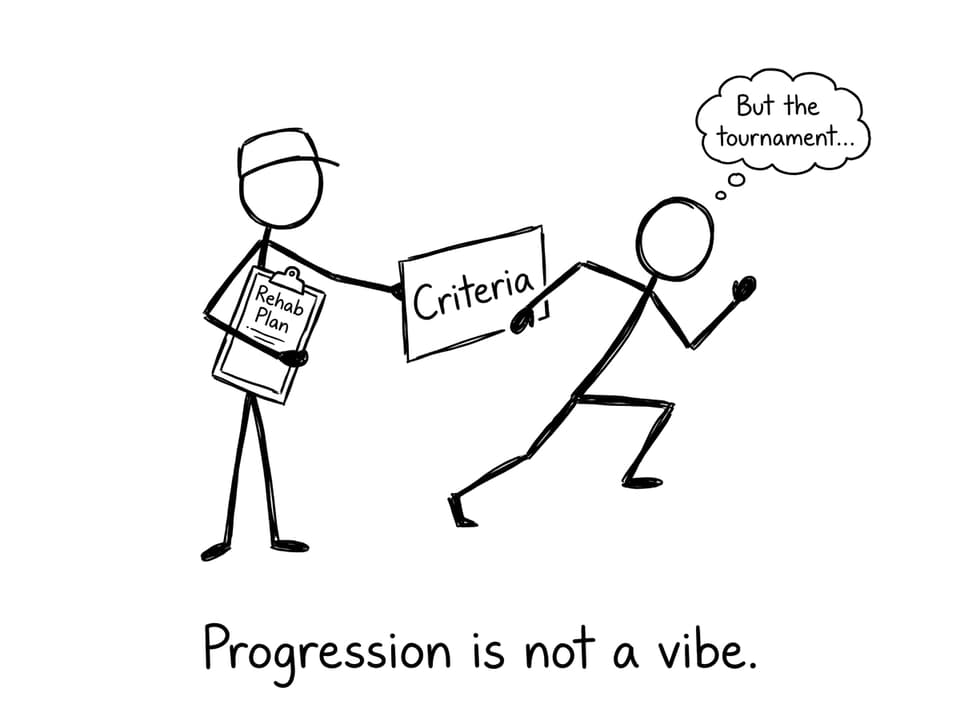
A common exam trap is writing “return to play after X weeks.” In IB SEHS, progression should be based on readiness criteria: pain response, function, strength balance, movement control, and sport-specific competence.
Make your answer feel applied by adding one more layer:
-
If pain increases after a session, loading may be too high.
-
If movement quality breaks down under fatigue, risk rises.
-
If confidence is missing, the athlete may hesitate and compensate.
This is where RevisionDojo’s workflow helps: use Study Notes to lock the definitions, Flashcards to keep the stages automatic, and AI Chat when a markscheme phrase feels confusing. Then prove it with timed sets in the Questionbank and build stamina with Mock Exams and Predicted Papers.
Training load management during return to play
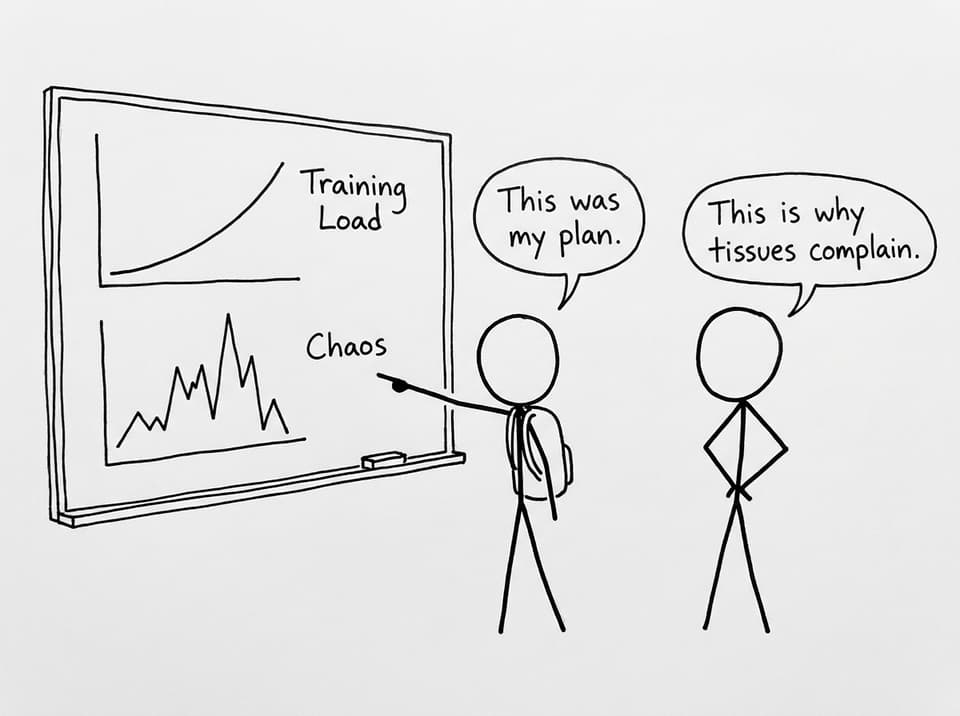
In IB SEHS, training load is the bridge between rehab exercises and real sport. Too big an increase in volume or intensity can overload healing tissue.
Think “smooth ramp, not sudden spike.” Modified training, partial sessions, and monitoring symptoms are all valid strategies. You can also link risk factors to context by revising Internal and external risk factors notes.
Conclusion: make IB SEHS return to play feel predictable
Rehabilitation and return to play in IB SEHS is ultimately a story about patience with proof: rebuild function, increase load gradually, and return only when criteria are met. When you write it that way, your answers stop sounding like advice and start sounding like sports science.
If you want that confidence on exam day, build your system inside RevisionDojo using the Questionbank, Study Notes, Flashcards, AI Chat, Grading tools, Predicted Papers, Mock Exams, the Coursework Library, and Tutors when you need a personalized plan. And if you want more exam-relevant injury content, browse the IB SEHS tag archive.