


You can often tell what kind of week it’s been by the way a student drops their bag at the door.
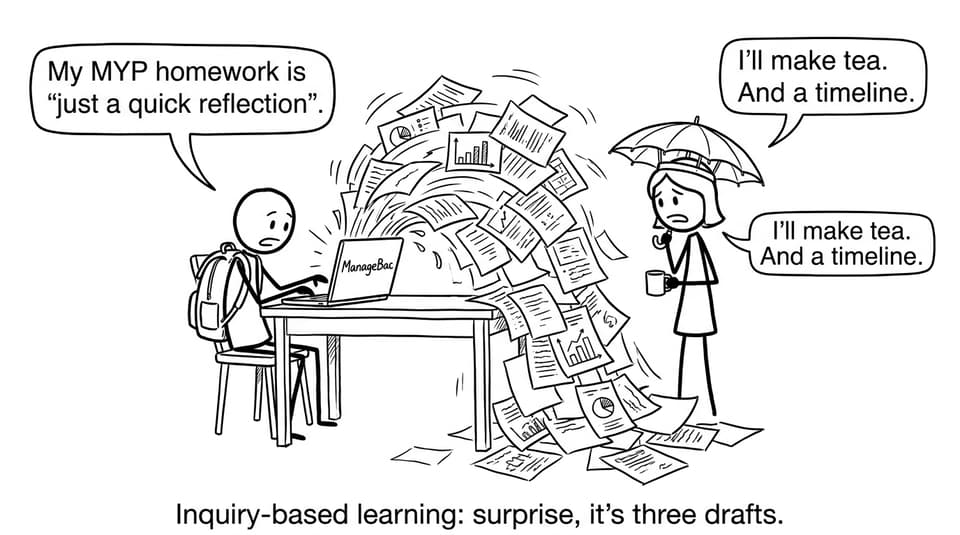
In the MYP, homework isn’t just “finish the worksheet.” It’s reflection, inquiry, drafts, and decisions. That’s great training for IB-style exams later, but it can also feel messy at home: unclear prompts, open-ended tasks, and the quiet panic of “I don’t even know what the teacher wants.” The good news is that parents can support MYP homework without becoming the homework.
Quick checklist for calmer MYP homework nights
-
Build a consistent MYP routine (start time, stop time, break plan)
-
Ask questions that unlock thinking, not answers that end it
-
Use a “tiny first step” to beat procrastination
-
Review tasks through ATL skills: planning, organization, communication
-
Keep feedback loops short: attempt, check, improve, repeat
What MYP homework is really training
The MYP is concept-driven and criteria-based. That means homework often asks students to explain “why,” connect to real contexts, and show thinking clearly. This is exactly the kind of skill that later shows up in timed responses and unfamiliar exam questions.
If you want a clean overview of how the programme works (and why it can feel different from traditional homework), point your family to What Is the IB Middle Years Programme? Explained and the Middle Years Programme (MYP) Hub. Both make the expectations feel less mysterious.
A helpful parent mindset is this: MYP homework is less about completion and more about evidence of learning. Evidence might be a process journal entry, a revision of a draft, or a reflection on what changed and why.
The parent role: guide rails, not a steering wheel
Most MYP students don’t need more intelligence at home. They need structure.
Try three “guide rail” moves:
Create a homework runway
Same place, same basics, same start ritual. A glass of water. A timer. A short list. The point is to reduce decisions, because decisions burn energy that students need for thinking.
When the work becomes exam-focused later, this runway becomes a repeatable pre-exam routine. That’s a quiet advantage.
Ask better questions
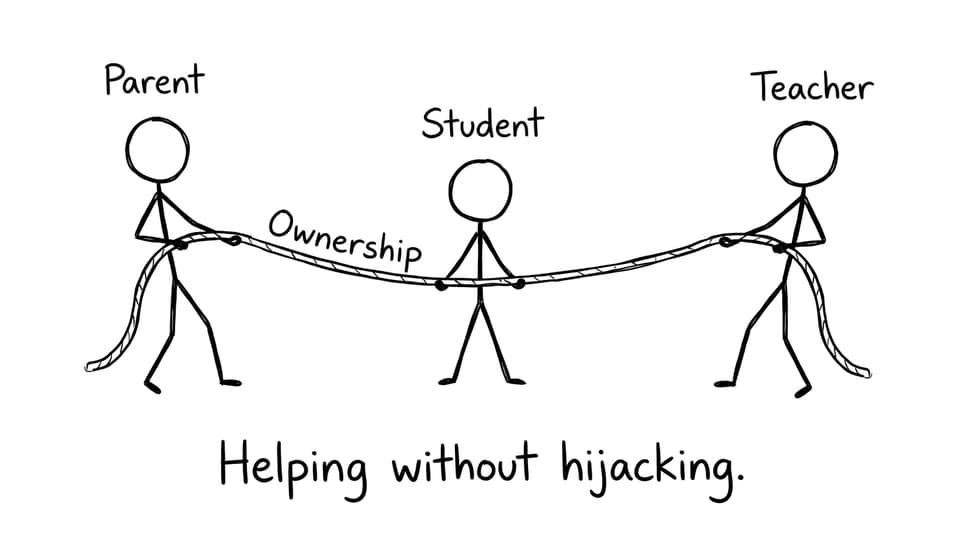
Use prompts that keep ownership with the student:
-
“What’s the task asking you to show?”
-
“Which criterion or skill do you think this is targeting?”
-
“What would a ‘good enough’ first draft look like?”
This fits the MYP philosophy: independence, reflection, and learning how to learn.
Shrink the first step
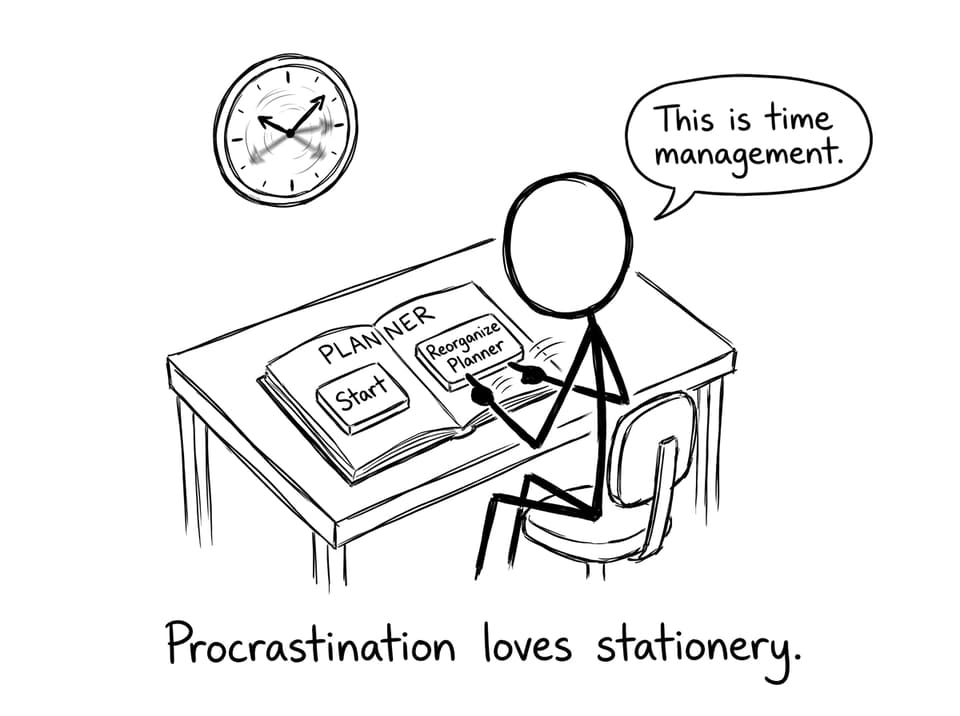
Procrastination is often confusion wearing a confident outfit. Don’t fight it with lectures. Fight it with a smaller starting line.
Example: “Open the document and write the title + three bullet points.” That’s it. Momentum usually follows.
Time management that actually works in MYP
The trap in MYP is treating every assignment like it deserves the same amount of time. Instead, teach prioritization:
-
Urgent + important: do first (short timed sprint)
-
Important but not urgent: schedule (15 minutes today, not 2 hours tomorrow)
-
Low value: limit (cap time, submit clean and on time)
If your student is already thinking ahead to eAssessments, this kind of scheduling becomes a study plan skill. For exam-season structure, MYP eAssessments: 30-Day Study Plan That Works is a strong reference.
Use RevisionDojo to turn homework into exam readiness
Homework is practice. Exam success comes from practice plus feedback.
RevisionDojo helps MYP students run that loop without wasting time:
-
Use Study Notes to rebuild understanding quickly when homework reveals a gap.
-
Use the Questionbank to convert “I understand” into “I can score.”
-
Use Flashcards for daily recall, especially definitions, command terms, and key processes.
-
Use RevisionDojo App: The Smarter Way to Prep for IB Exams to see how the full system fits together.
-
When pressure rises, add realism with Online IB Mock Exams: Practice Anywhere, Anytime and keep feedback tight.
Parents don’t need to manage these tools day-to-day. But knowing they exist helps you direct your student toward independence: “Try two questions, check feedback, then decide what to fix.”
Conclusion: MYP homework is a rehearsal, not a battle
The most effective MYP homework support is calm structure: routines, small starts, and questions that keep the thinking with the student. That approach builds the same habits students will rely on when exams become timed, cumulative, and demanding.
When your student is ready to turn nightly effort into measurable improvement, RevisionDojo gives them the full system in one place: Questionbank practice, Study Notes, Flashcards, AI Chat, Grading tools, Predicted Papers, Mock Exams, a Coursework Library, and Tutors. The win isn’t doing more homework. It’s learning how to learn in the MYP -- and carrying that advantage into every IB exam that follows.