


Learning feels different when someone asks you to explain it.
Not “What grade did you get?” but “What did you learn?”
In the IB, that question can be uncomfortable at first. It forces you to stop hiding behind effort, revision hours, or a single test score. And it’s exactly why student-led conferences work so well for IB students preparing for exams: they turn your learning into something you can see, name, and improve.
A student-led conference is a simple shift with a big effect. Instead of teachers doing all the talking, you present your progress using evidence: assessments, reflections, goal tracking, and the decisions you made along the way. You’re not performing perfection. You’re practicing ownership.
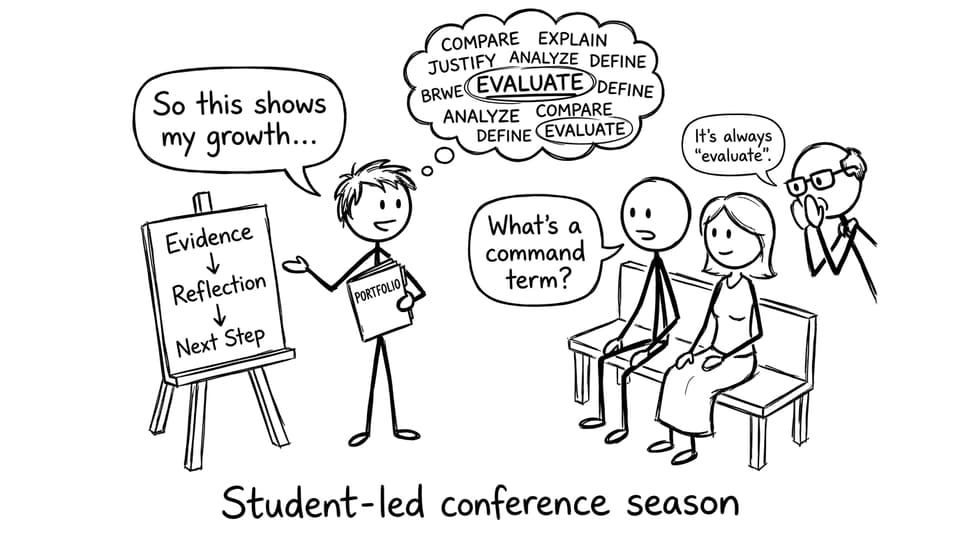
Quick checklist for an IB student-led conference
If you want the conference to help your IB exam preparation (not just fill a calendar slot), keep it tight:
-
Choose 5-7 pieces of evidence that show growth (not just high marks)
-
Write one reflection line per piece: “What changed in how I think/work?”
-
Identify two repeating mistake patterns (content + skill)
-
Set one exam-focused goal for the next 2-3 weeks
-
Prepare three parent/teacher questions you actually want answered
If your school uses digital tracking, this gets even easier when your work is organized and searchable. Tools like RevisionDojo’s Questionbank, Study Notes, and Flashcards help you produce consistent evidence, while AI Chat and Grading tools turn feedback into something you can act on.
Why IB student-led conferences matter for exam students
Most IB stress isn’t caused by difficulty. It’s caused by uncertainty.
You sit down to revise and wonder: Is this working? Student-led conferences reduce that uncertainty because they demand proof. Not proof that you’re “smart” or “trying,” but proof of what you can do under IB-style conditions.
Here’s what changes when you lead the conversation:
-
You start spotting patterns in marks lost (command terms, structure, timing, gaps)
-
You practice explaining concepts clearly, which is basically oral active recall
-
You build metacognition: knowing what you know, and what you only recognize
-
You get buy-in from family without turning your home into a grade courtroom
If you want a bigger picture of how evidence-based revision works, RevisionDojo’s guide on the RevisionDojo app for IB exam prep shows a simple loop: learn, recall, apply, review.
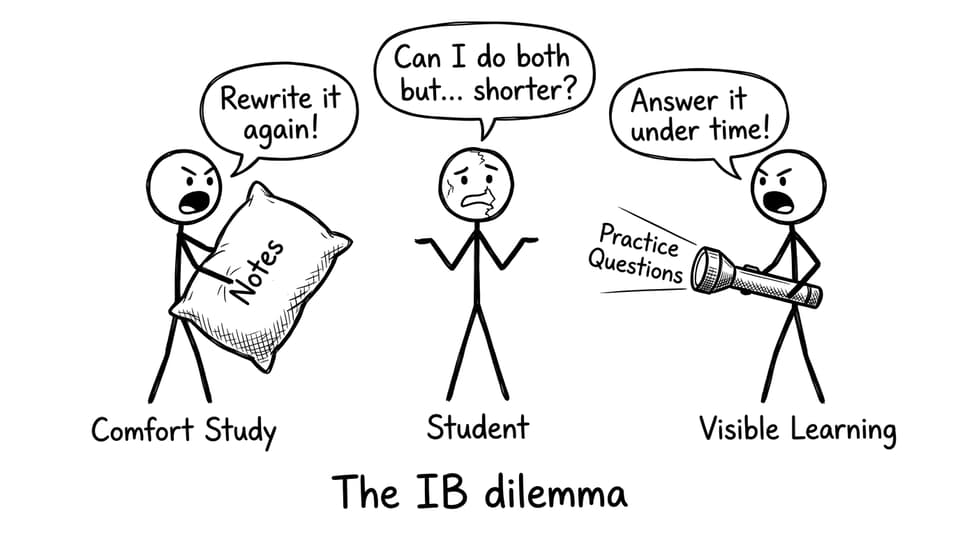
Make learning visible: the evidence that actually helps IB exam prep
A portfolio for an IB student-led conference shouldn’t look like a trophy case. It should look like a map.
Aim for three categories of evidence:
Exam performance evidence (application)
Pick one timed response or exam-style task that shows your current level. Better if it includes examiner-style feedback.
RevisionDojo makes this easier when you practice with the Questionbank feature and track which topics keep reappearing in your mistakes. If you need strategy for using questions properly, the article on how to use an IB question bank effectively is a good framework.
Memory and understanding evidence (retention)
Bring something that shows what you’re doing daily, not just during panic weeks. A small, consistent flashcard habit is one of the most visible forms of real learning.
If flashcards currently mean “I made them but never used them,” revisit RevisionDojo’s IB flashcard system guide and use it as your conference talking point: How am I training recall? In the IB, recall is the floor. Application is the ceiling.
Coursework and long-term evidence (process)
Even if your conference is exam-focused, coursework stress leaks into revision. A good student-led conference acknowledges that and shows what you’re doing to reduce it.
RevisionDojo’s Coursework feature page and the broader coursework exemplars library can help you show that you’re calibrating quality, not guessing.
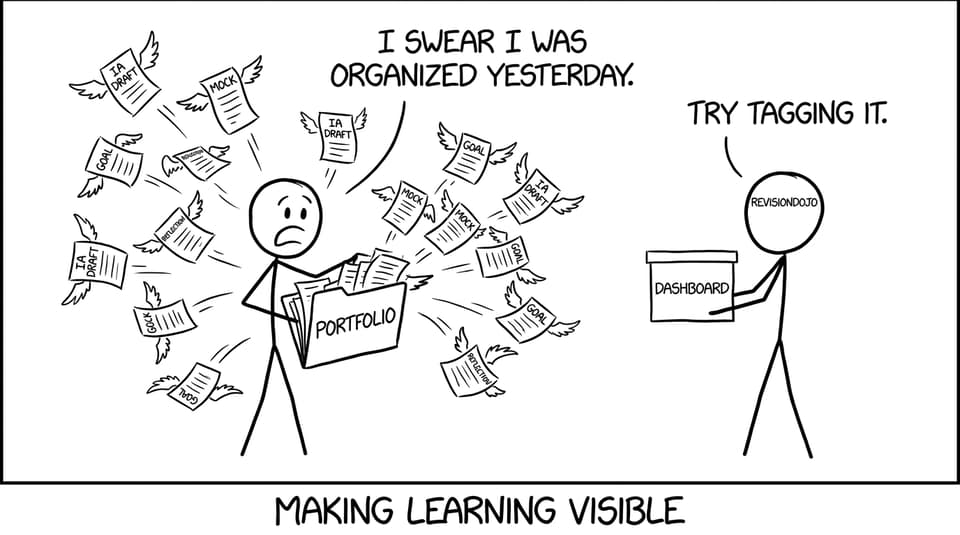
A simple structure that keeps the conference reflective (not performative)
A strong IB student-led conference feels calm because it follows a predictable arc.
Opening: what I’m trying to become good at
Name 1-2 outcomes in IB language: “I’m improving evaluation,” “I’m building timing stamina,” “I’m fixing analysis structure.”
Evidence: what proves it (and what doesn’t)
Show your portfolio items. For each one:
-
What was the task?
-
What went well?
-
What went wrong repeatedly?
-
What’s the next step?
This is where RevisionDojo’s Study Notes and AI Chat can be useful: you can explain how you moved from confusion to clarity, then back into practice.
Goals: what I will do next (measurable)
Avoid vague goals like “revise more.” Use goals you can track:
-
“Two timed Questionbank sets per week on weak subtopics”
-
“10 minutes of Flashcards daily for definitions and command terms”
-
“One longer timed rehearsal weekly using Mock Exams or Predicted Papers”
If you need a mindset reset around measurement, the post IB: I study all day but remember nothing is a useful mirror.
Closing: how you can support me
This is where families help without hovering. Ask for support that reduces friction: quiet time blocks, fewer interruptions, or help planning a weekly schedule.
How student-led conferences connect to the IB Learner Profile
The Learner Profile can feel like poster language until you use it to describe your real behavior.
In a student-led conference, it becomes practical:
-
Communicator: you explain how you earned (or lost) marks
-
Reflective: you identify patterns instead of blaming luck
-
Principled: you take responsibility for follow-through
-
Open-minded: you invite feedback without defensiveness
-
Balanced: you talk honestly about workload, sleep, and sustainability
And yes, “balanced” matters for exams. The IB rewards stamina and clarity, not heroic all-nighters.
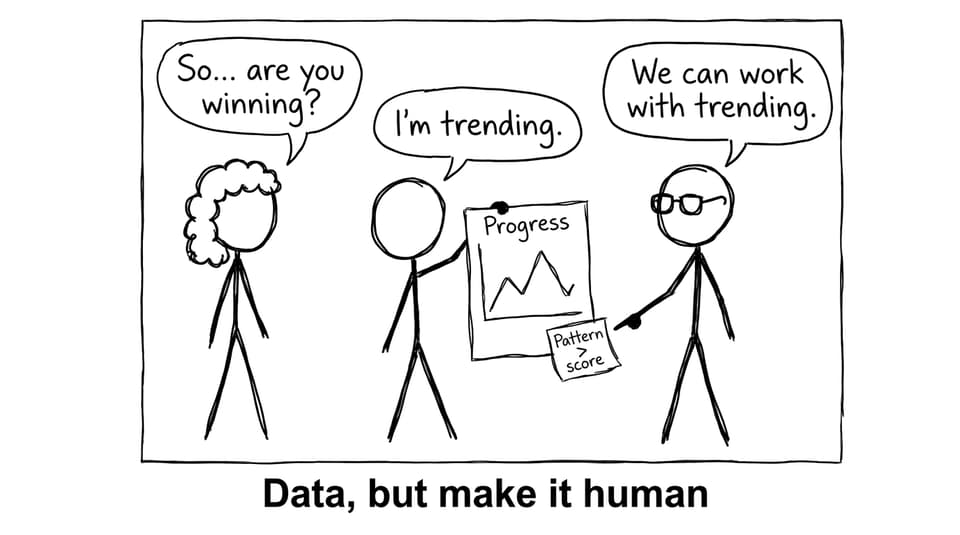
How to use RevisionDojo to prepare for an IB student-led conference
If your goal is to make learning visible, you need a system that stores evidence as you go.
Here’s a clean approach using RevisionDojo:
-
Build content clarity with Study Notes (short bursts, then stop)
-
Convert key ideas into daily recall with Flashcards
-
Prove understanding with the Questionbank and save your toughest mistakes
-
Use AI Chat to get unstuck fast, then return to practice
-
Use Grading tools to understand exactly where marks are won and lost
-
Train realism with Predicted Papers and Mock Exams
-
Reduce coursework uncertainty using the Coursework Library
-
When you need a human diagnostic, use Tutors to turn feedback into a plan
For schools building a broader culture of ownership, you can also explore RevisionDojo for Schools and how it supports reflection systems at scale.
Conclusion: make IB learning visible, then make it repeatable
The IB rewards students who can do one quiet thing consistently: learn from feedback.
Student-led conferences make that learning visible. They turn your progress into a story you can tell with evidence, not hope. And once you can tell it, you can improve it.
If you want your next IB student-led conference to feel less like a presentation and more like a plan, build your evidence trail inside RevisionDojo: Study Notes for clarity, Flashcards for recall, Questionbank for application, AI Chat and Grading tools for feedback, Predicted Papers and Mock Exams for realism, plus the Coursework Library and Tutors when you need extra support. Your learning becomes visible, and your revision becomes more certain.