



The day your teacher says “Group 4 Project,” the room usually splits in two.
One half gets excited because it sounds like real science: experiments, teamwork, maybe even leaving the classroom.
The other half quietly does the math: “If it’s not on the final exam, why are we doing this?”
That question is the heart of it. Is Group 4 important? If you are an IB student preparing for exams, you want anything that raises your grade, lowers your stress, or makes the rest of the Diploma feel less chaotic.
The truth is calmer (and more useful) than the rumors: Group 4 is not graded directly, but it can still be one of the highest-return parts of your science years when you treat it like training.
What Group 4 is (and what it isn’t)
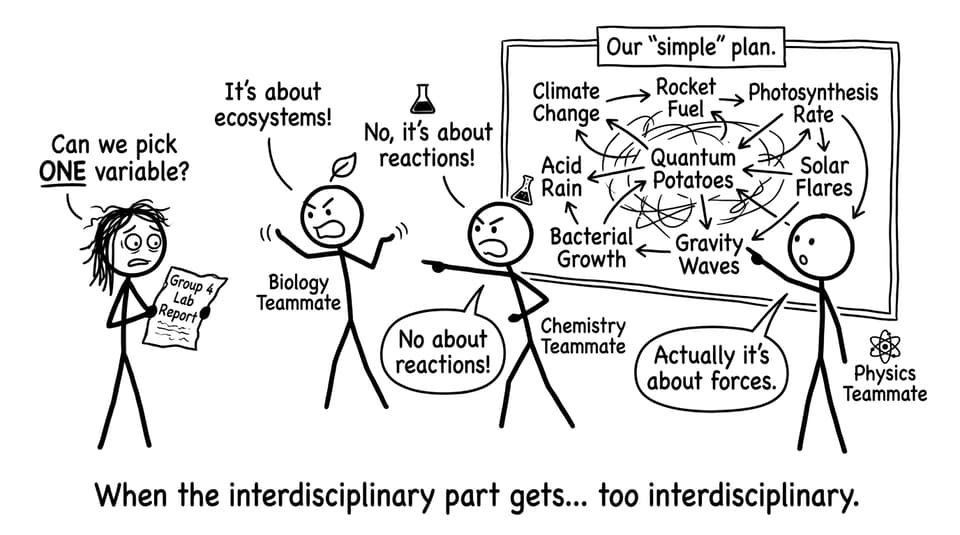
Group 4 refers to the IB sciences, and the Group 4 Project is the interdisciplinary collaboration requirement where students from different sciences work together on a shared scientific theme.
It is designed to force a specific kind of learning: not memorizing content, but practicing how science actually happens when Biology, Chemistry, Physics, and ESS perspectives collide.
Two key clarifications matter for exam-focused students:
-
Group 4 typically takes around 10 hours and runs through planning, action, and evaluation phases.
-
Group 4 does not contribute marks to your final IB score in the current syllabus structure, even though it is still required as part of the programme experience.
If you want the official-feeling breakdown of expectations, use Group 4 Project Requirements. If you are wondering how it “counts,” see What Is the Weighting of the Group 4 Project in the Final IB Score.
A quick checklist: when Group 4 matters most
Use this fast test. Group 4 is important for you if:
-
You struggle with practical design, variables, or uncertainty (IA skills).
-
You freeze in presentations or hate explaining data.
-
Your science class feels like isolated topics instead of one connected system.
-
Your group work usually becomes “one person does everything.”
-
You are aiming for STEM and want evidence you can collaborate.
In other words: almost everyone.
Why Group 4 is important even if it’s “0%”
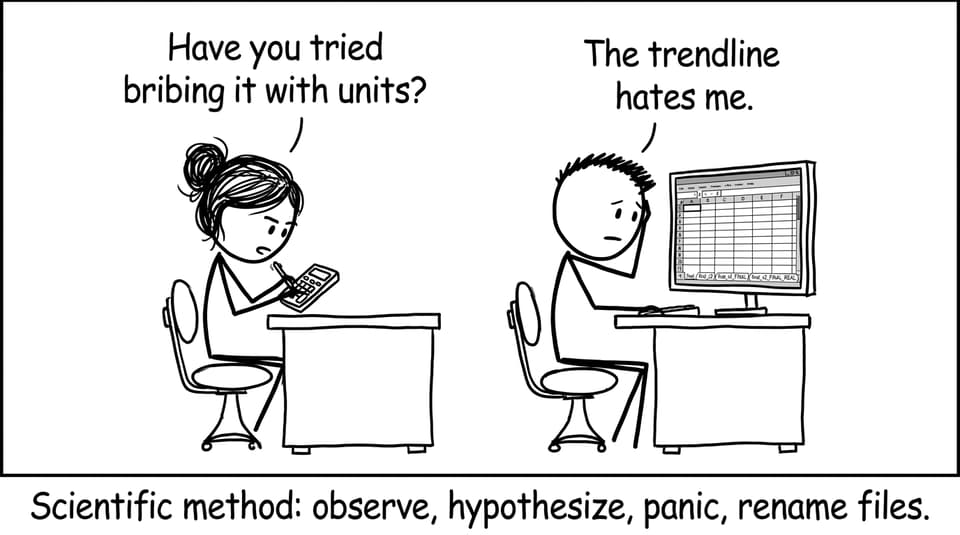
Here’s a quiet IB truth: many of the marks you lose in exams are not because you didn’t know the topic. They disappear because you can’t communicate the method, justify the choice, interpret data, or stay consistent with units and assumptions.
Group 4 is basically a rehearsal for those moments.
Group 4 trains exam thinking in disguise
When your team debates what to measure, what to control, and what to conclude, you are practicing the same thinking that shows up later in:
-
data-based questions
-
experimental design prompts
-
error and uncertainty evaluation
-
explanation questions that punish vague wording
If you want to connect this to your weekly revision plan, read What Is the Best Study Schedule for IB Group 4 Sciences. It frames science success as consistent practice loops, not heroic last-minute effort.
Group 4 reduces IA stress by making the process familiar
A lot of students treat their Internal Assessment like a cliff edge: one step too far and everything falls apart.
But the IA is not meant to be mysterious. It is a structured investigation with decisions you can learn to make. Group 4 gives you a low-stakes space to practice:
-
choosing a workable research question
-
planning roles and timelines
-
collecting data carefully
-
explaining limitations without self-destructing
If your biggest fear is picking a topic, you’ll appreciate IB Group 4 Project: Can You Choose Your Own Topic?.
Group 4 shows you how to work like a scientist, not a student
In exams, it’s easy to feel like science is a list of facts you either recall or don’t.
In real science, and increasingly in IB questions, the skill is closer to this:
-
notice patterns
-
propose a mechanism
-
test it
-
interpret messy results
-
communicate clearly
That is exactly what Group 4 is built to encourage. Not perfect results. Real reasoning.
How to do Group 4 strategically (without letting it steal exam time)
Students usually fail Group 4 in one of two ways:
-
They dismiss it and do the minimum, missing the skill gains.
-
They overbuild it like it’s a university dissertation, then burn time they needed for revision.
A smarter approach is “tight and useful.”
Choose a topic that makes collaboration obvious
Strong Group 4 topics make each science feel necessary. If the project can be done entirely by one subject, it will feel forced.
For inspiration, scan IB Science Group 4 Project: Ideas That Will Impress Your Teachers. Borrow the structure, not the complexity.
Assign roles like a lab team, not a friend group
Do this early:
-
one person owns the method write-up
-
one person owns data collection quality control
-
one person owns data processing and visuals
-
one person owns the final narrative and presentation flow
If you want a guide for the human side of this, IB Group 4 Project Collaboration: How to Work Effectively With Peers is the one most students wish they read before the first meeting.
Use RevisionDojo to turn Group 4 into exam prep
This is where Group 4 becomes more than a school task.
On RevisionDojo, you can use:
-
Study Notes to quickly patch content gaps before you design your investigation: Study Notes
-
Flashcards to lock in definitions and processes you keep mixing up
-
Questionbank to practice the exact data-handling and experimental questions your project is secretly training: Questionbank
-
AI Chat when your graph makes no sense at 11:40 pm and your teacher is asleep
-
Grading tools to improve how you explain method and evaluation (the place most marks leak)
-
Predicted Papers and Mock Exams to convert your improved skills into timed performance
-
Coursework Library for examples and structure when you need to see what “good” looks like
-
Tutors when your group is stuck and you need a human to intervene
You can also zoom out and see how RevisionDojo connects these pieces in RevisionDojo App: The Smarter Way to Prep for IB Exams.
The real answer: Group 4 is important if you use it properly
Group 4 is not important because it adds points to your diploma.
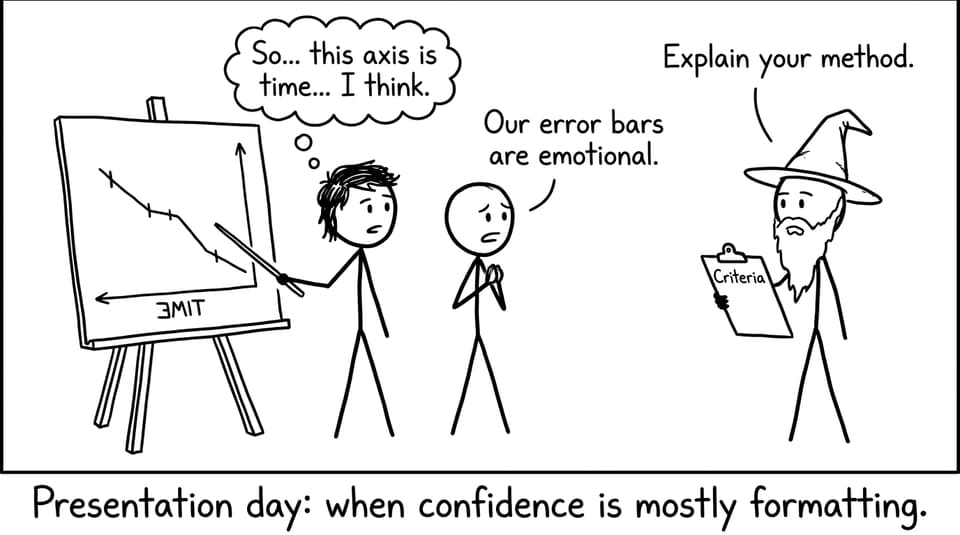
Group 4 is important because it trains the skills that quietly decide your points: clarity, method, teamwork, interpretation, and the ability to explain messy reality without panicking.
If you want to turn that into exam results, use RevisionDojo as your bridge: learn quickly with Study Notes, remember with Flashcards, apply with Questionbank, and rehearse pressure with Mock Exams and Predicted Papers. Then use AI Chat, Grading tools, the Coursework Library, and Tutors when you need a push.
When the project ends, the best outcome isn’t a perfect poster. It’s walking into Paper 2 and realizing the “design an investigation” question feels familiar.