
There’s a particular kind of panic that only shows up in IB season: you finish an essay, feel strangely proud, then someone says, “That might be one mark off a 6.” Suddenly your whole week feels negotiable.
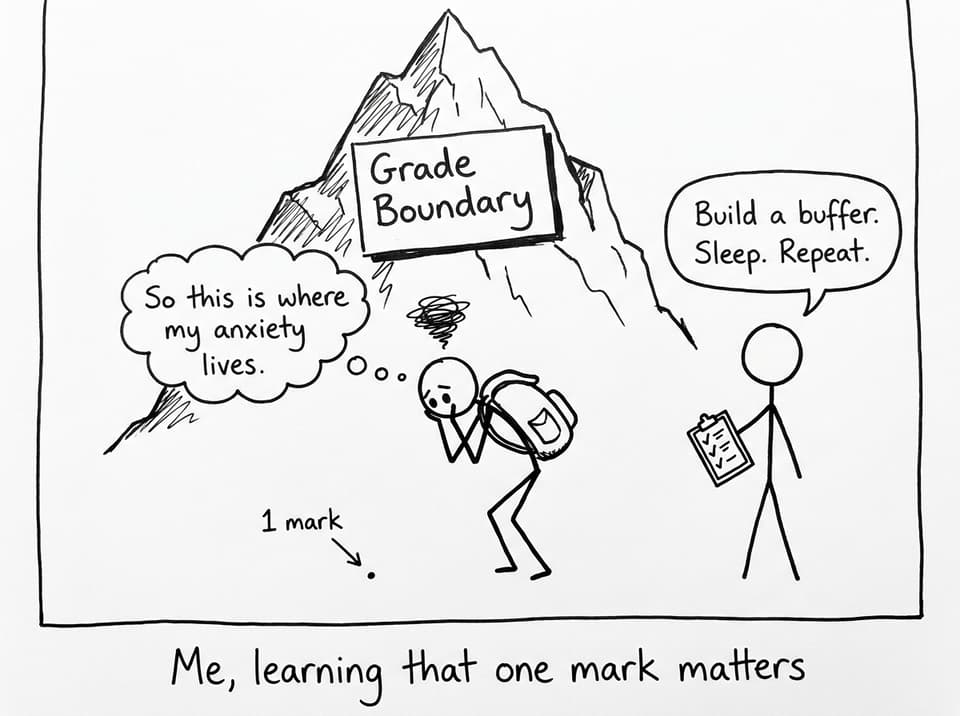
Grade boundaries won’t write your arguments for you. But they will tell you what “good enough” looks like in numbers, so you can stop guessing and start building a buffer.
Quick checklist before you look at the boundaries (IB Philosophy SL)
Use this to turn IB grade boundaries into an action plan, not a doom scroll:
-
Know your components: IA, Paper 1, Paper 2
-
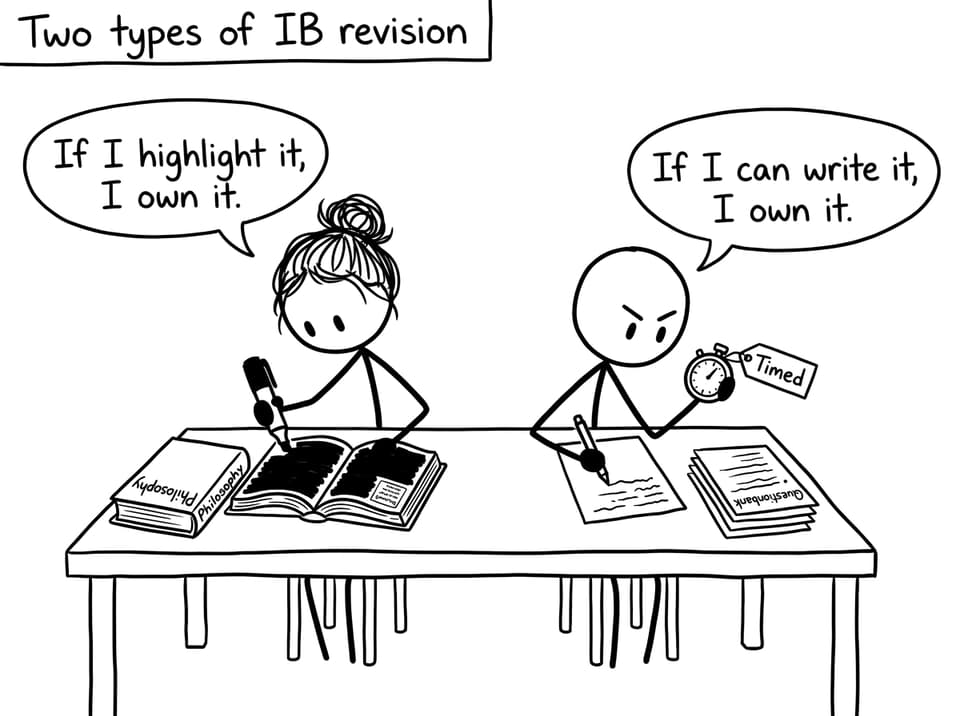
Practice writing under time (especially Paper 1)
-
Aim above the boundary range you want (a buffer beats stress)
-
Mark your work with criteria and fix patterns, not just single mistakes
-
Use one platform to connect notes, recall, and practice (RevisionDojo is built for this)
If you want a central hub to compare thresholds across sessions, bookmark the IB Grade Boundaries hub.
IB Philosophy SL grade boundaries 2025 (Timezone 0)
These are the official IB Philosophy SL grade boundaries for 2025 (TZ0), broken down by component.
Internal Assessment grade boundaries (out of 25)
-
Grade 7: 22-25
-
Grade 6: 19-21
-
Grade 5: 16-18
-
Grade 4: 12-15
-
Grade 3: 8-11
-
Grade 2: 4-7
-
Grade 1: 0-3
Paper 1 grade boundaries (out of 50)
-
Grade 7: 39-50
-
Grade 6: 30-38
-
Grade 5: 22-29
-
Grade 4: 13-21
-
Grade 3: 9-12
-
Grade 2: 5-8
-
Grade 1: 0-4
Paper 2 grade boundaries (out of 25)
-
Grade 7: 21-25
-
Grade 6: 18-20
-
Grade 5: 15-17
-
Grade 4: 12-14
-
Grade 3: 8-11
-
Grade 2: 4-7
-
Grade 1: 0-3
Final IB Philosophy SL grade boundaries (out of 100)
-
Grade 7: 80-100
-
Grade 6: 65-79
-
Grade 5: 51-64
-
Grade 4: 35-50
-
Grade 3: 23-34
-
Grade 2: 11-22
-
Grade 1: 0-10
You can also cross-check Philosophy boundary history on the dedicated subject page: Philosophy grade boundaries.
How to use IB grade boundaries without obsessing
Boundaries are a ruler, not a prophecy. The healthiest IB move is to convert them into a weekly routine:
Build a “boundary buffer”
If a 7 begins at 80/100, don’t aim for 80. Aim for “80 on a tired Wednesday.” That usually means training to hit a few marks above your target range.
A practical tool for this is the IB Grade Calculator, which helps you map marks to outcomes so you can set realistic targets.
Prioritize what earns marks in Philosophy
In IB Philosophy SL, marks often hide in structure: clear thesis, precise definitions, and evaluation that actually judges arguments.
RevisionDojo makes this easier to systemize:
-
Use IB Philosophy revision notes (SL/HL) to rebuild clarity fast.
-
Drill exam-style writing habits with the Questionbank so your answers match what the IB rewards.
-
Turn weak definitions into spaced practice using Flashcards (inside RevisionDojo’s learning flow).
Tips for pushing into a 7 in IB Philosophy SL
-
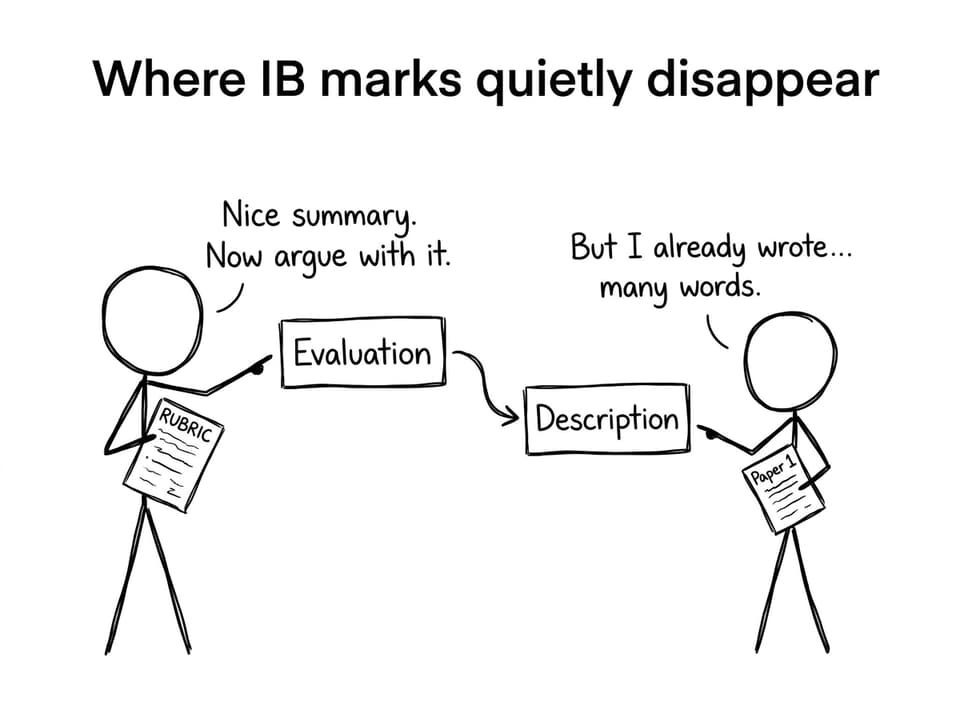
Write like an argument, not a report. Summary sets the stage; evaluation wins the marks.
-
Practice Paper 1 under time. Philosophy is a writing sport, and stamina is part of skill.
-
Treat your IA like a scoring opportunity, not a formality. Tight focus and real analysis matter.
-
Use feedback loops. Attempt, self-mark, fix one pattern, and re-attempt within 48 hours.
For a broader overview of how the course and exams fit together, see IB Philosophy explained: course and exams. And if you want to understand how boundaries behave across subjects, the IB Grade Boundaries 2025 guide is a useful reference.
FAQ: IB Philosophy SL grade boundaries 2025
Are these IB Philosophy SL grade boundaries definitely the same for everyone?
They apply to the stated session and timezone, so the key is matching your cohort correctly (here: 2025, Timezone 0). In the IB, boundaries can differ by session and sometimes by timezone, which is why students get confused when they compare screenshots. The boundaries are not “chosen in advance” to be nice or harsh. They are set after marking, based on evidence about paper difficulty and how the cohort performed. If you want to avoid mix-ups, use a single source and double-check the timezone label every time. RevisionDojo’s IB Grade Boundaries hub keeps everything organized in one place.
How should I set targets using IB grade boundaries?
Start by picking your desired grade range (for example, aiming for a 6 means targeting 65-79 overall). Then add a buffer, because exam-day variance is real in the IB: stress, timing, and one misunderstood command term can cost marks quickly. Next, convert the overall goal into component goals (IA, Paper 1, Paper 2) so your practice is concrete. This prevents the common trap of “studying everything” but improving nothing measurable. Use timed practice to see what you can score under pressure, not just what you understand while reading notes. Tools like the IB Grade Calculator make this conversion faster and more honest.
What’s the fastest way to improve my IB Philosophy SL marks?
The fastest improvements usually come from making your writing more rewardable, not from learning ten more philosophers. In IB Philosophy SL, examiners need to see structure: a clear thesis, relevant concepts, and evaluation that responds to the question. That’s why targeted practice works so well: you learn what the markscheme is trying to reward and you train your habits to match it. On RevisionDojo, students often combine IB Philosophy revision notes (SL/HL) for clarity, the Questionbank for exam-style drills, and AI Chat for quick unblocking when a concept won’t click. Then they use Grading tools to get rubric-aligned feedback on written work, especially when refining essay technique and coursework. Add one timed mini-mock each week (Mock Exams) and your performance becomes predictable, which is the real secret to beating boundaries.
Closing thought: use IB grade boundaries as calm, not pressure
IB Philosophy SL grade boundaries for 2025 give you something rare in exam season: a stable reference point. Use them to set a target, build a buffer, and practice the exact skills that turn understanding into marks.
If you want an all-in-one system to do that without juggling tabs, RevisionDojo is built for it: Study Notes, Flashcards, Questionbank, AI Chat, Grading tools, Predicted Papers, Mock Exams, a Coursework Library, and Tutors when you want a human plan. Your goal isn’t to “hope the boundary is low.” It’s to walk into the exam with proof you can score above it.