
Human adaptation to extreme environments is one of those IB Geography topics that feels distant until you picture it: a worker stepping out into -30°C wind, or a family rationing water where rain might not arrive for months. The syllabus asks you to explain how people survive. The examiners quietly ask something sharper: what does survival cost, and who can afford it? In IB Geography, that tension is where the best answers live.
Quick exam checklist for IB Geography
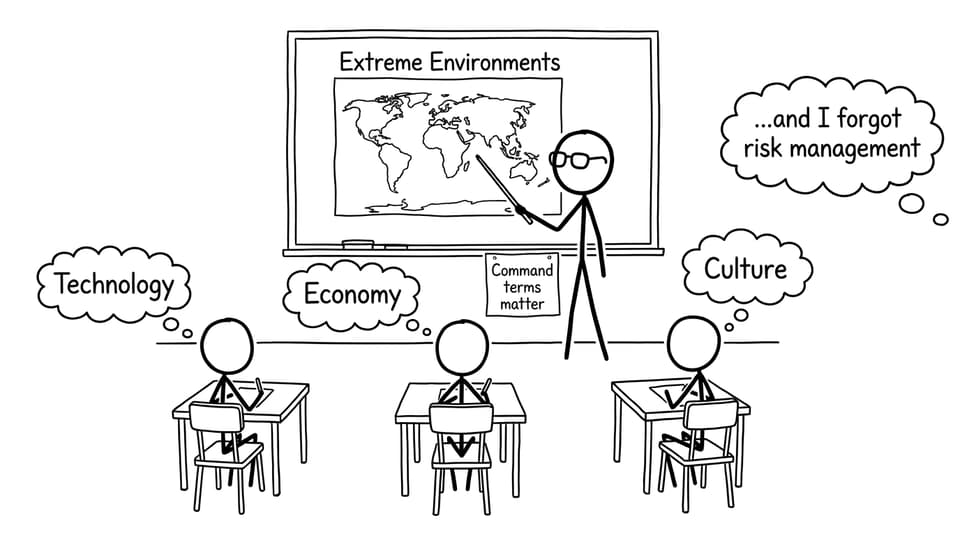
When you see a prompt about human adaptation, build your response around four buckets (and evaluate them):
-
Technological adaptation (buildings, clothing, transport, communications)
-
Economic adaptation (specialised activities: mining, energy, research, tourism)
-
Cultural adaptation (indigenous knowledge, mobility, subsistence strategies)
-
Risk management (monitoring, hazard mapping, emergency planning)
For the Option C framing, anchor your definitions using What Defines an Extreme Environment? and then connect adaptation back to fragility and sustainability.
Technological adaptation in IB Geography: buying time from nature
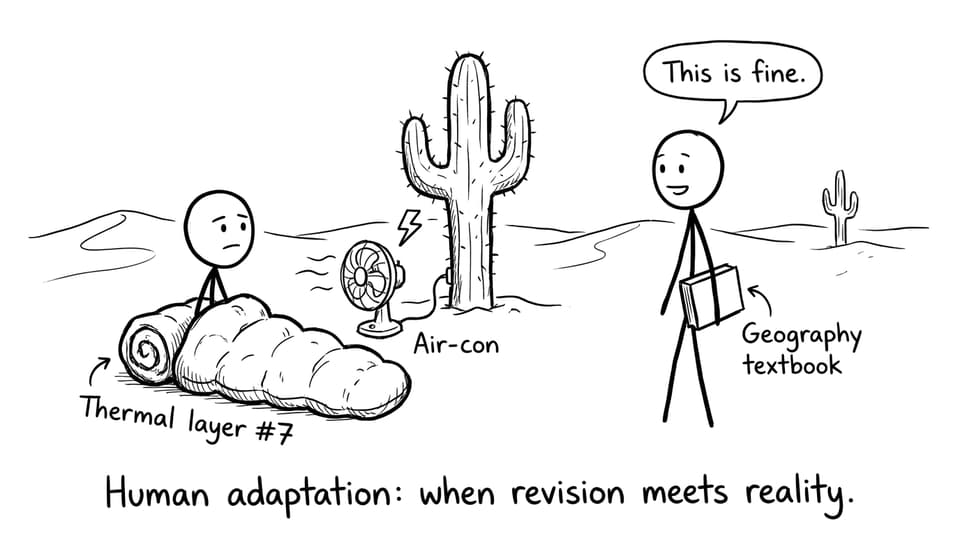
In deserts, technology often behaves like a second climate: air conditioning, reflective materials, shaded street design, and water storage can reduce heat stress and scarcity. In polar and high-altitude areas, insulation, heated transport, and specialised equipment reduce exposure and keep supply chains moving.
The IB Geography angle is not just listing gadgets. It is explaining how technology lowers vulnerability and increases carrying capacity for certain activities. It also creates dependency: systems fail, fuel runs out, and maintenance is expensive in remote locations. A strong exam paragraph ends by hinting that technology can enable more development in places that recover slowly from disturbance.
If you want a syllabus-aligned way to revise the setting itself, use C.1.1 Global Distribution of Extreme Environments Notes and then practise applying it through C.1 The characteristics of extreme environments - IB Questionbank.
Economic adaptation: livelihoods shaped by limits
Many extreme environments support specialised and often capital-intensive economic activity: mining, oil and gas, scientific research, and tourism. These sectors can bring jobs and infrastructure, but they are also tied to external investment and global markets.
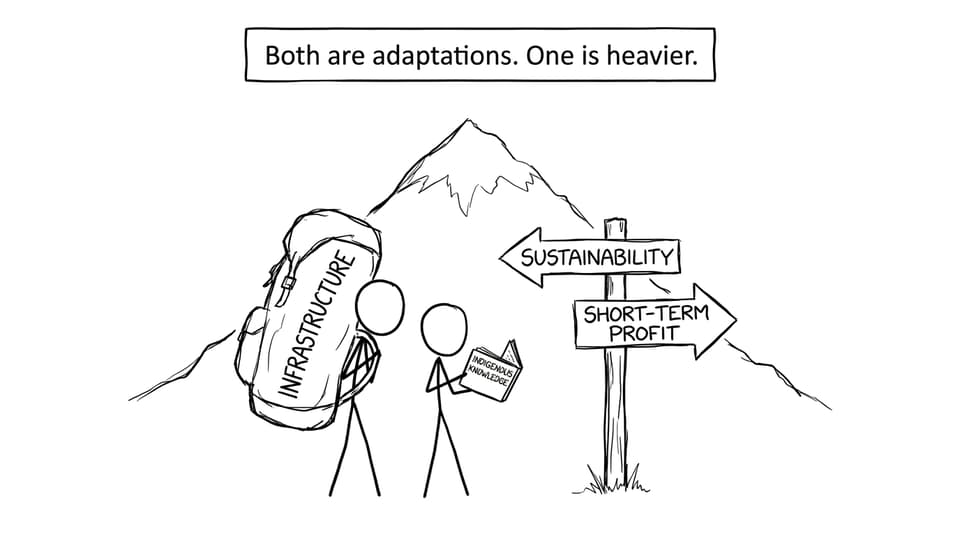
In IB Geography, the evaluation marks usually come from showing the trade-off: economic activity can increase access and income, but it can also amplify environmental risk (pollution, habitat disruption, overuse of water, and long recovery times). To extend your answer, connect adaptation to impacts and management using Human Impacts in Extreme Environments | IB Geography and then make the case that “adaptation” is not automatically “sustainable.”
Cultural adaptation: the quiet technology of lived knowledge
Indigenous and traditional communities often adapt through practices refined across generations: seasonal movement, detailed knowledge of wildlife behaviour, and careful resource management. In deserts, mobility can reduce pressure on scarce water and grazing. In the Arctic, hunting practices and travel knowledge reflect ice conditions and seasonal change.
This is a high-scoring IB Geography moment because it lets you compare adaptation strategies. Cultural adaptation can be lower-carbon and more locally attuned, but it can be disrupted quickly by rapid climate shifts or by economic development that changes land access.
Settlement patterns and risk management: living with hazards, not ignoring them
Settlements in extreme environments are usually small and dispersed because accessibility is difficult and services are costly. Buildings are designed for local hazards: wind, snow loading, temperature extremes, or unstable ground. In mountain regions, site choice (like sunnier slopes) can reduce heating needs and risk.
Risk management is the “extra paragraph” that separates a good answer from a great one. Monitoring systems, hazard mapping, and emergency planning reduce exposure to avalanches, blizzards, droughts, and permafrost instability. Link it to resilience: not just surviving a hazard, but recovering and adjusting.
How RevisionDojo turns this IB Geography topic into exam marks
When students say they “understand adaptation,” they usually mean they can explain it in conversation. Exams demand something tighter: definitions, examples, evaluation, and command-term control.
RevisionDojo helps you do that with:
-
Study Notes and structured pathways inside IB Geography Resources and IB Geography Option C Extreme Environments
-
Flashcards for active recall via IB Geography Flashcards
-
Questionbank practice to turn ideas into timed responses (plus AI feedback)
-
AI Chat to test explanations and fix weak evaluation lines
-
Grading tools to sharpen paragraphs and judgement
-
Predicted Papers and Mock Exams to train timing without guesswork
-
A Coursework Library and access to Tutors when your case studies need accuracy and depth
If you need case-study structure for any IB Geography essay, use IB Geography Case Studies: A Comprehensive Exam Guide.
Conclusion: the real skill is linking survival to sustainability
Human adaptation is never just “humans are clever.” It is a story of constraints, trade-offs, and unequal capacity to respond. In IB Geography, your job is to show how technology, economic choices, cultural knowledge, and risk management interact, and where they break down.
If you want to turn this into reliable marks, revise the core content in IB Geography Option C Extreme Environments, drill it with the RevisionDojo Questionbank, and finish with timed Mock Exams so your IB Geography explanations stay calm, structured, and evaluative when it counts.