
Sometimes the deadline doesn’t arrive like a calendar event. It arrives like a doorbell you didn’t expect.
One minute you’re deep in IB revision, telling yourself you’ll deal with university later. The next, UCAS is suddenly the most urgent tab on your laptop. Maybe you’re applying through Clearing, switching courses, or sending a late application after results. Whatever the reason, the task is the same: update your UCAS personal statement so it reads deliberate, not desperate.
Here’s the reassuring truth: a strong last-minute UCAS update isn’t about rewriting your whole identity. It’s about editing with intention, keeping your best evidence, and aligning your story to what the course actually wants.
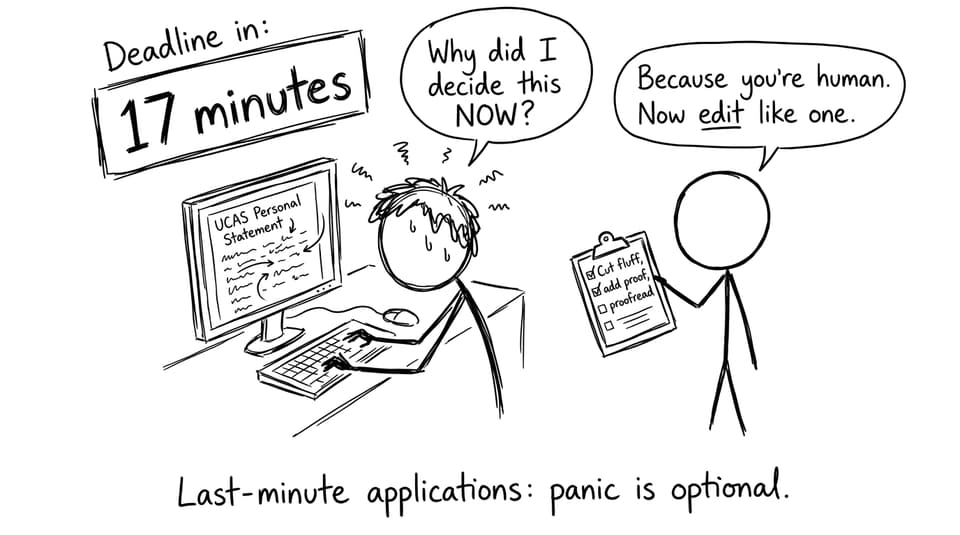
The 10-minute UCAS update checklist
Use this as your “steady hands” list before you start:
-
Re-read the course page and highlight 5-8 skill keywords.
-
Keep the core structure, but remove anything that no longer fits.
-
Swap in 1-2 recent, relevant achievements (IB work counts).
-
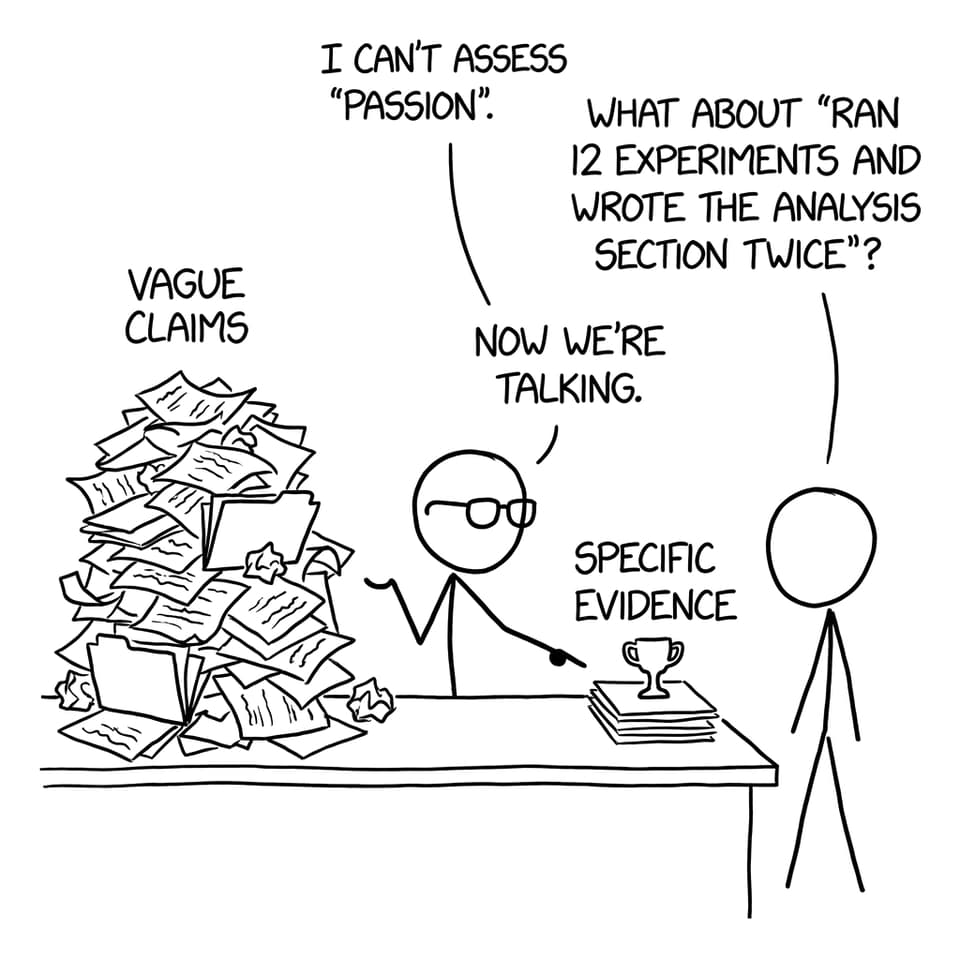
Replace vague lines with proof (numbers, outcomes, responsibilities).
-
Tighten the first paragraph so it matches the new subject.
-
Do a fast proofread: aloud + spelling + one human reader.
If you want more examples of what good looks like, keep UCAS personal statement examples that work open while you edit.
Re-align your UCAS statement with the course in front of you
Last-minute UCAS edits go wrong when students edit based on what sounds impressive, not what the course rewards.
Start by reading the course description like it’s an IB markscheme. What do they emphasise: research? teamwork? lab work? critical reading? quantitative methods? Those are your target keywords.
Then check your current statement for mismatch.
-
Switching from Literature to Psychology? Keep analysis and communication, but add research curiosity and evidence handling.
-
Switching from Economics to Computer Science? Keep problem-solving, but show logical thinking, projects, and persistence.
If you need a simple refresher on how the whole UCAS process is structured (so you don’t miss something important while rushing), use UCAS application structure explained.
Cut what doesn’t fit (without losing your voice)
In pressure situations, students try to add more words to sound “more qualified.” UCAS doesn’t reward volume. It rewards relevance.
Open your statement and mark:
-
Anything that’s impressive but unrelated to the new course.
-
Any paragraph that lists activities without reflection.
-
Any sentence that could describe thousands of applicants.
Be brave and delete.
A sharp UCAS statement often reads shorter because it stops explaining everything and starts proving the right things.
If you’re applying to a range of similar courses and worried about staying broad enough, the strategy in how to tailor your personal statement for different courses helps you keep one coherent theme.
Add one “recent proof” paragraph from IB life
Your IB workload is full of material UCAS tutors respect: independent research, drafting, feedback cycles, and time management under pressure.
In a last-minute UCAS update, you don’t need five new achievements. You need one paragraph that feels current.
Good sources of “recent proof” include:
-
Extended Essay: question choice, methodology, what changed after feedback.
-
IAs: how you handled data, uncertainty, or evaluation.
-
TOK: how you learned to argue carefully rather than loudly.
-
CAS leadership: planning, responsibility, measurable outcomes.
Write it like this:
-
Claim: the skill you developed.
-
Evidence: what you did (specific).
-
Reflection: what it taught you and how it links to the course.
If you struggle to turn experiences into course-ready skills, borrow the framework from how to highlight skills and experience in UCAS applications.
Make the language faster, cleaner, and more “markscheme-like”
When time is tight, clarity beats cleverness.
Replace soft openers like:
- “I have always been interested in…”
With lines that show action:
-
“I deepened my interest in X by…”
-
“While completing Y, I learned to…”
This is the same skill you use in exams: direct answers, minimal filler, strong evidence. If you want that mindset, the pacing ideas in best time management techniques for IB students transfer surprisingly well to UCAS editing.
For students who freeze under time pressure, practising concise thinking helps too. Try the approach in how to solve AP Statistics probability questions fast as a model for structured, efficient writing.
Proofread like you’re protecting marks
A last-minute UCAS statement can still feel polished if you proofread with a system.
-
Read it aloud once (you’ll hear awkward sentences instantly).
-
Run a spelling and grammar check.
-
Check course alignment: do your first and last paragraphs match the new subject?
-
If possible, get one calm reader to scan for clarity.
Also: don’t proofread at 2 a.m. if you can avoid it.
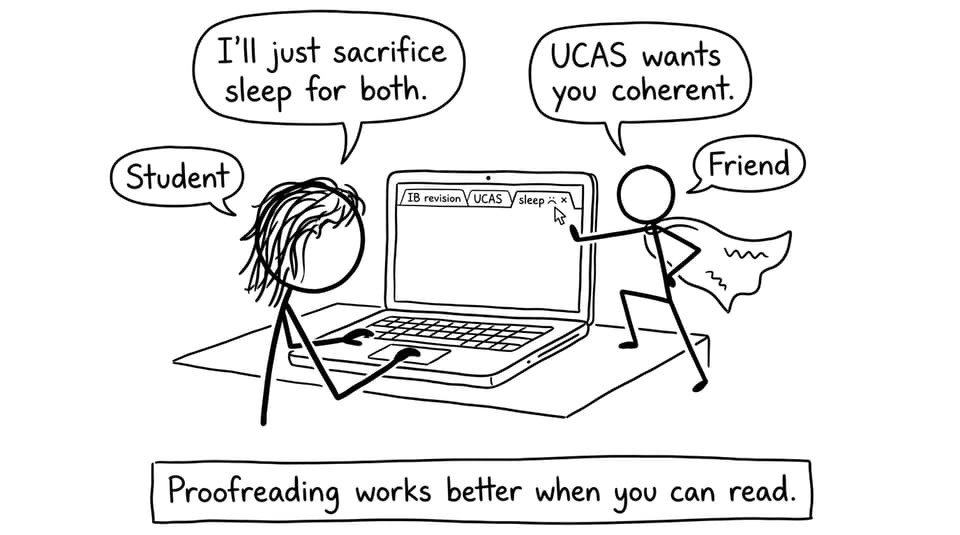
If you’re juggling UCAS edits alongside revision, the routines in what to do the night before IB exams can help you stay coherent when everything feels urgent.
A calm finish: make UCAS one task, not your whole week
Last-minute UCAS applications can feel like they steal oxygen from exam prep. But they don’t have to. Treat your UCAS update like an IB timed task: one focused block, a checklist, then submit and return to revision.
And if you’re doing all of this while preparing for exams, RevisionDojo is built for the same kind of pressure. Use Study Notes and Flashcards for fast recall, Questionbank practice when you need proof, AI Chat when you’re stuck, and Grading tools to tighten written responses. When you want realism, add Predicted Papers and Mock Exams to rehearse performance, not just content. If coursework is still in the mix, the Coursework Library and Tutors can help you move faster with fewer wrong turns.
Update your UCAS statement, then go back to the work that earns your grades. The deadline is loud. Your plan can be quieter, and better.