


A quiet truth about IB Visual Arts
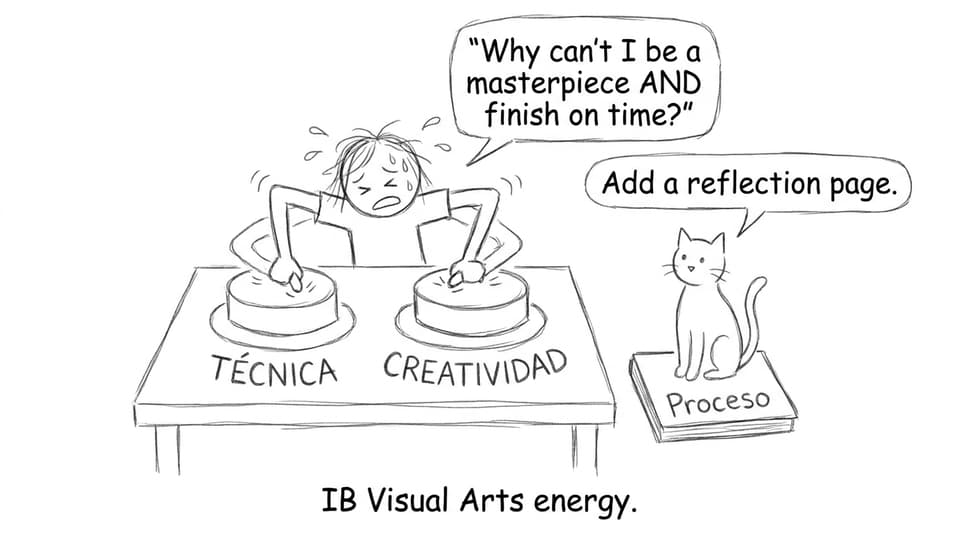
In IB Visual Arts, most students don’t fail because they lack talent. They stall because they choose a side.
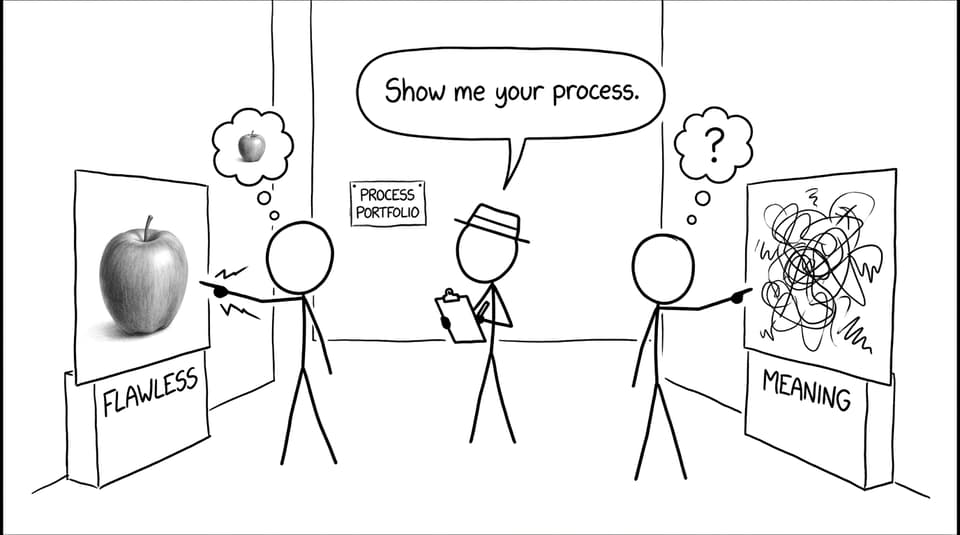
Some hide inside technique: flawless shading, perfect edges, safe outcomes. The work looks “good” but feels empty.
Others sprint toward big ideas: symbolism, identity, experimentation. The work feels alive, but it’s hard to read, poorly resolved, or undocumented.
Examiners reward the rare middle: technically controlled choices that serve meaning, shown through an honest process. If you’re preparing for finals, the goal isn’t to become two different artists. It’s to become one artist who can prove both craft and intention in every component of IB Visual Arts.
The 10-minute balance checklist (use weekly)
Use this quick check to keep IB Visual Arts work examiner-readable:
-
Can I name the one idea my work explores?
-
Can I name the two techniques that carry that idea?
-
Did I experiment before I refined?
-
Did I annotate what changed and why?
-
Does my process connect clearly to my exhibition choices?
If you need a refresher on what each component demands, keep this open: What is IB Visual Arts?
Technique: build control without killing the idea
Technique in IB Visual Arts isn’t about looking like a professional. It’s about control: showing that your choices are deliberate.
Use “micro-drills” instead of endless perfecting
Pick one skill and drill it for 15-20 minutes:
-
value scales and shading transitions
-
perspective boxes and ellipses
-
color mixing charts (warm/cool shifts)
-
texture studies (dry brush, cross-hatching, glazing)
Then take one sentence to annotate: What improved? What still fails? What will I change next time? That reflection is often the difference between “practice” and “evidence.”
To align practice with what gets rewarded, review: Understanding the Marking Criteria for IB Visual Arts and IB Visual Arts Assessment Criteria Explained Simply.
Creativity: make experimentation legible (not chaotic)
Creativity in IB Visual Arts is not randomness. It’s risk with a reason.
Steal structure from your own curiosity
A strong creative workflow:
-
Start with a personal theme (memory, identity, place, pressure, body image).
-
Research 2-3 artists from different contexts.
-
Make small experiments that borrow one method each (composition, material, symbolism).
-
Write what you kept, what you rejected, and what that says about your voice.
If you want practical examples of experimentation that examiners can actually follow, use: How to Show Experimentation in Your IB Visual Arts Process Portfolio and Best IB Visual Arts Themes for Process Portfolios.
The bridge: a simple rhythm that keeps you balanced
Here’s the rhythm that keeps IB Visual Arts students out of extremes:
Explore first, refine second
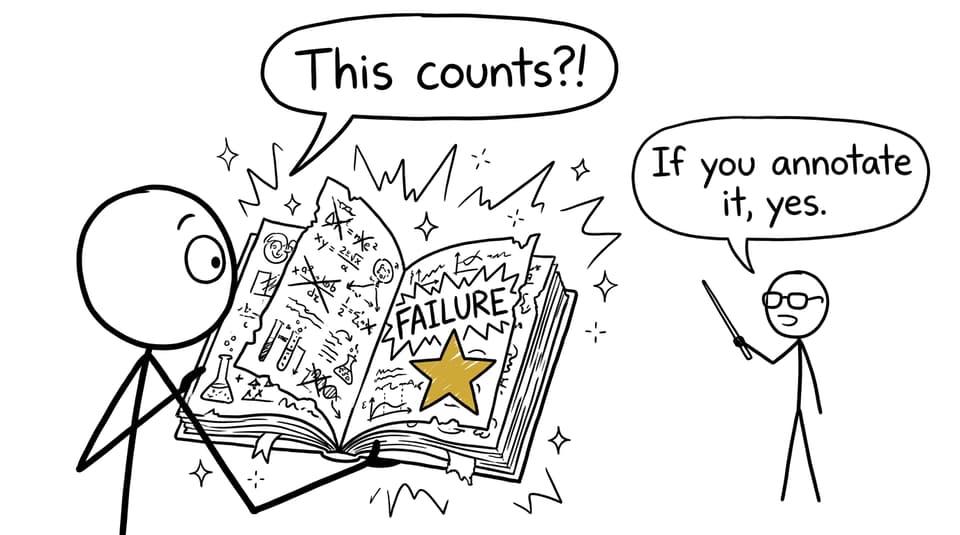
Give yourself permission to make “bad pages” early. In your Process Portfolio structure, messy testing is not a problem if it is explained.
Let meaning choose the medium
If the theme is fragility, maybe paper, stitching, or thin washes do more than thick paint. If the theme is surveillance, maybe photography or repetition works better than a single canvas.
Document the turning point
Examiners love the moment you changed your mind. Write the sentence that explains it.
Curate like a storyteller
Your exhibition should feel like a cohesive argument, not a collection. If you’re unsure what “scores well” stylistically, read: Best Marked Art Styles in IB Visual Arts.
Example: one theme, two wins
Theme: identity.
-
Technique: careful portrait drawing to show observation and control.
-
Creativity: collage, stitching, or layered text to suggest the “hidden” self.
In IB Visual Arts, this works because the technique supports the message, and the message gives the technique a job.
A final reminder (and a practical next step)
Balancing technique and creativity in IB Visual Arts is less about talent and more about habit: experiment, reflect, refine, connect. If you build that loop, your exhibition becomes clearer, your process portfolio becomes richer, and your choices start to look intentional.
When you want one place to tighten the whole system, RevisionDojo supports the full IB journey with a Coursework Library for exemplars, Grading tools (including the IB Visual Arts Process Portfolio Grader), AI Chat for quick troubleshooting, plus Study Notes, Flashcards, Questionbank, Predicted Papers, Mock Exams, and Tutors for exam season. Make your next studio session simple: one experiment, one technique drill, and one honest reflection that proves you’re doing IB Visual Arts the way it’s assessed.


