


Branding is what happens when two products look identical… but one feels like the obvious choice.
In IB Business Management, that “feeling” is not magic. It is strategy: a business shaping customer perception so decision-making becomes easier, faster, and more loyal over time. In a competitive market where rivals can copy features and match prices, branding is often the last advantage that cannot be cloned overnight.
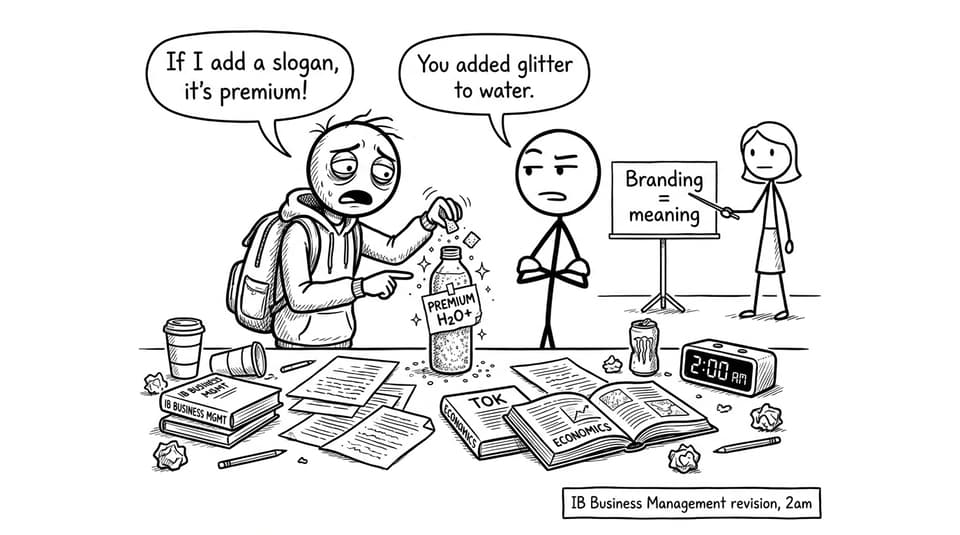
Branding in IB Business Management (quick checklist)
Use this checklist when you revise branding for IB Business Management exam questions:
-
Can you define a brand and branding using precise terms? (Name, symbol, design, identity.)
-
Can you explain differentiation in a crowded market?
-
Can you link branding to emotional connection and brand loyalty?
-
Can you evaluate how branding enables premium pricing (perceived value)?
-
Can you connect branding to the marketing mix and consistent customer experience?
For clean definitions you can reuse in Paper 1 and Paper 2, keep IB Business Management Key Definitions open while you practice.
Differentiation: branding makes “similar” feel different
In competitive markets, products start to blur together. One more water bottle. One more café. One more sneaker. Branding is how a firm clarifies why it is not the same.
In IB Business Management, this is differentiation: the business communicates a unique selling point (USP) or a distinct identity (quality, innovation, service, sustainability, status). If customers can describe the difference in one sentence, the brand is doing its job.
To revise the syllabus-aligned content fast, use 4.5.2 Branding and the matching branding notes to see how exam phrasing typically looks.
Emotional connection: people buy stories, not spreadsheets
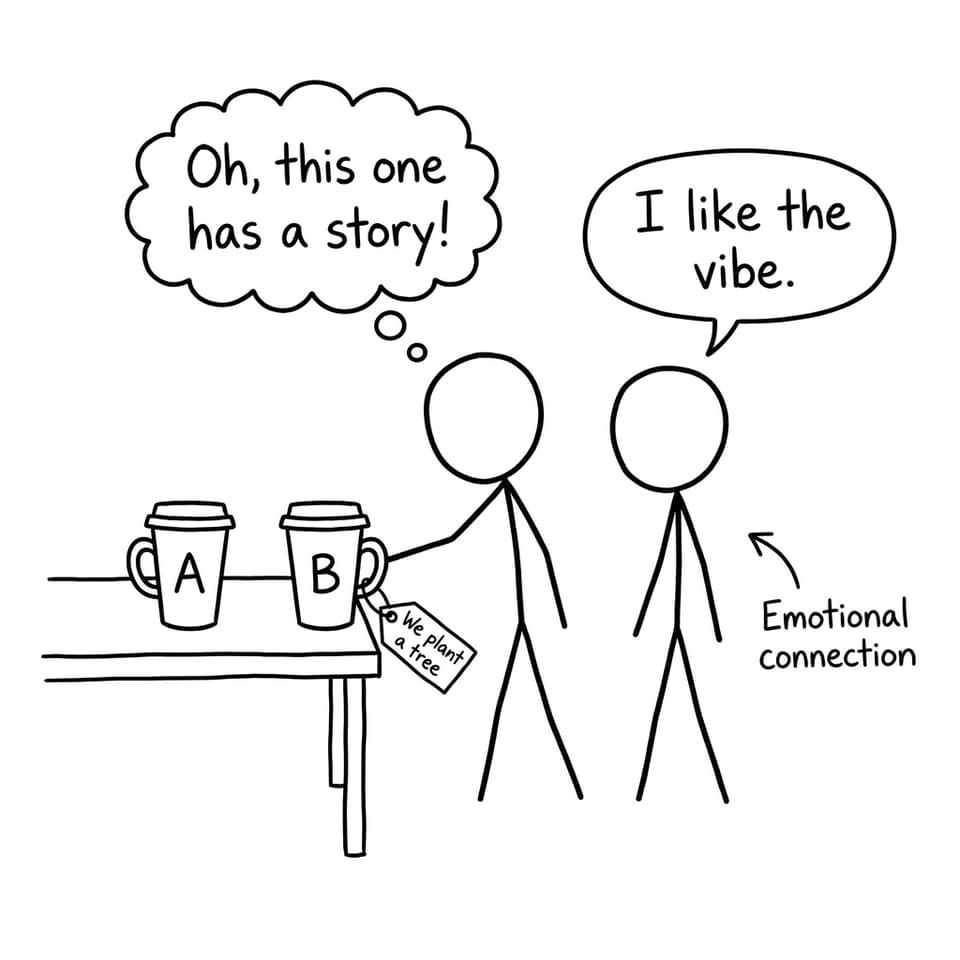
A brand grows when customers attach meaning to it: “reliable,” “fun,” “ethical,” “luxury,” “for people like me.” That emotional shortcut matters because it reduces risk. When two options are close, students (and customers) choose the one that feels safer.
That is why IB Business Management often links branding with brand loyalty: emotions create repeat purchases and word-of-mouth, even when competitors offer similar features.
If you want to connect branding to the wider topic, revise Unit 4 using IB Business Management Unit 4: Marketing Management.
Recognition and trust: familiarity is a competitive advantage
Consistent logos, colors, tone of voice, and customer experience build recognition. Recognition then becomes trust: “I know what I am getting.” This is especially powerful for new customers who do not have time to research every alternative.
In IB Business Management, you can evaluate this as a reduction in perceived risk. A trusted brand lowers the effort needed to decide, which increases conversion and repeat buying.
To practice applying this logic under time pressure, use the 4.2 Marketing planning questionbank alongside the marketing planning notes.
Premium pricing: branding can increase perceived value
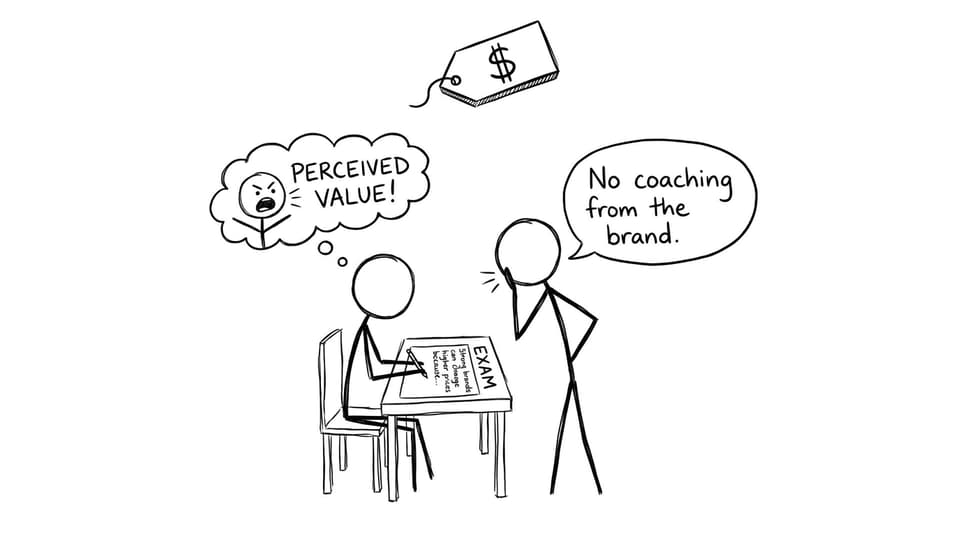
Strong brands can charge more because customers believe the product is worth more. Sometimes the product quality is genuinely higher. Sometimes the value is psychological: status, identity, reliability, or ethics.
In IB Business Management, this links neatly to brand value and profitability. Higher margins can fund better promotion, better service, and better product development, reinforcing the brand in a loop.
For broader revision across the course (and to switch between Study Notes, Flashcards, and exam practice), start at IB Business Management Resources.
How to turn branding into marks (RevisionDojo approach)
When branding comes up in IB Business Management, the examiner is looking for more than a definition. They want application and judgement.
A simple method:
-
Define branding in one precise sentence.
-
Apply it to the case (target market, competition, positioning).
-
Explain the effect (differentiation, loyalty, trust, premium pricing).
-
Evaluate limits (cost, risk of brand damage, changing consumer tastes).
RevisionDojo makes that loop easier with its Questionbank for exam-style practice, Study Notes for quick recall, Flashcards for definitions, AI Chat for “test me” prompts, and Grading tools to tighten your evaluation. When you want realistic pressure, use Predicted Papers and build timed sessions with Mock Exams. And if you are writing an IA or exploring brand image in real firms, the Coursework Library (plus Tutors) helps you move from theory to evidence.
For extra examples and exam-adjacent topics, browse all IB Business Management blog posts and see how branding connects to other Unit 4 ideas.
Conclusion: branding is the business’s memory in the customer’s mind
In a competitive market, most advantages fade fast. Branding lasts because it lives inside the customer: differentiation, trust, recognition, and the confidence to pay a little more.
If you are revising IB Business Management, treat branding as an exam skill, not just a concept. Use RevisionDojo’s notes, flashcards, questionbank practice, and marking tools to turn branding theory into the kind of clear, evaluative paragraphs that earn marks when it matters.


