
A lot of IB students don’t fail long-term projects because they’re incapable. They fail because time is weird.
In September, the Extended Essay feels like a distant mountain. In March, it feels like the mountain is sitting on your chest. The work didn’t change that much. Your perception did.
If you’re supporting a teen through IB projects (EE, IAs, CAS, TOK), the goal isn’t to become their manager. It’s to help them build a system that keeps moving even when motivation disappears.
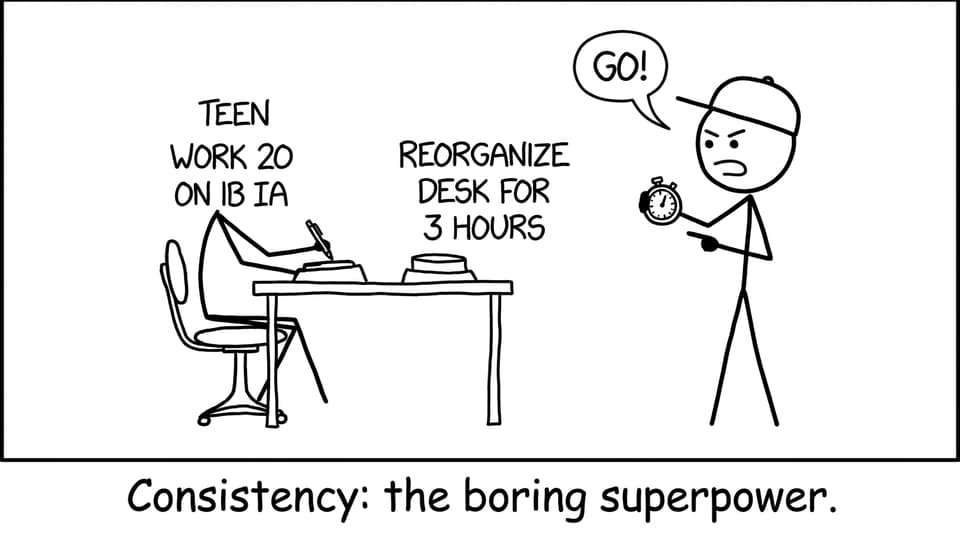
A quick consistency checklist for IB projects
Use this as a weekly reset. If you can tick most boxes, your teen is on track for IB coursework and calmer exam prep.
-
Pick the next smallest deliverable (not “finish the IA,” but “write the methods paragraph”).
-
Schedule 3 short work blocks (20–45 minutes) before any “big weekend session.”
-
Keep one visible project tracker (deadlines + micro-deadlines).
-
End each session with a “next step” note.
-
Review feedback early, not the night before submission.
If your teen needs clearer EE structure, point them to RevisionDojo’s IB Extended Essay guides. For IA structure help, the IB IA Guides are a strong starting point.
Why consistency is the hardest part of IB
The IB is designed to overlap. That’s not a flaw. It’s the challenge.
Long-term projects collide with test weeks, extracurriculars, and regular life. And because progress is often invisible (reading sources, cleaning data, rewriting arguments), students don’t get the dopamine of “done.” They get the dread of “still not done.”
The fix is rarely “try harder.” It’s “make progress easier to see.”
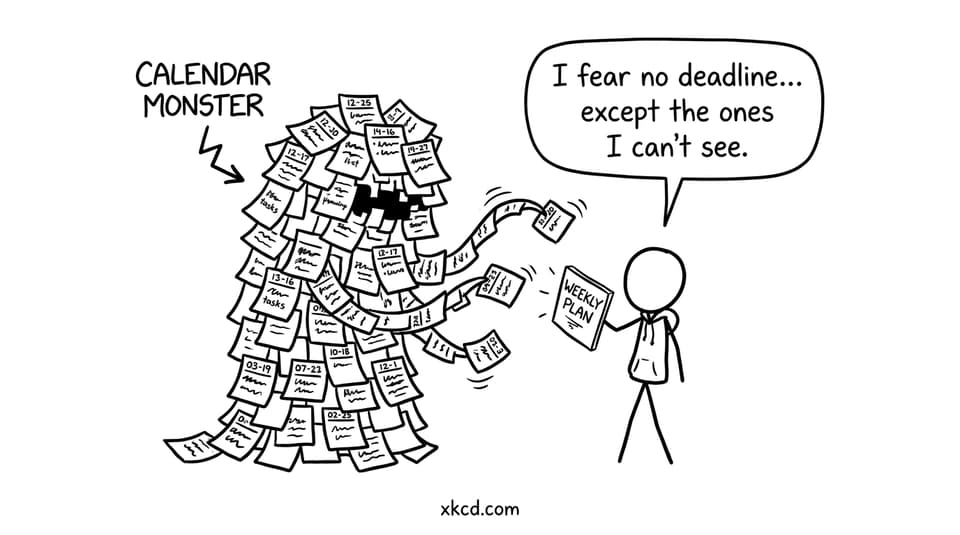
Support strategy: build a rhythm, not a rescue plan
A parent’s most useful role in IB projects is to create gentle structure without stealing ownership.
Agree on a tiny minimum
Help your teen choose a baseline they can do even on tired days: 20 minutes of IA work or one EE source summary. This prevents the all-or-nothing cycle where missing one day becomes missing a week.
If they’re also preparing for exams, pairing that baseline with targeted practice helps. RevisionDojo’s Questionbank is ideal for small daily sets that feel manageable.
Turn “check-ins” into “next-step talks”
Instead of asking, “Did you work on your EE?” try:
-
“What’s the next step you already know you should do?”
-
“What would make that step smaller?”
-
“When will you do it?”
This keeps autonomy with them, which matters in IB because the projects are assessed on independent thinking.
Make feedback part of the routine
Most students avoid feedback because it’s emotionally expensive. But it’s also where the marks are.
If your teen is working on drafts, tools like the RevisionDojo Coursework Grader can make feedback feel concrete: criteria, strengths, and clear fixes. Pair it with RevisionDojo’s AI Chat to talk through confusing rubric language or decide what to revise first.
Use “micro-deadlines” that feel real
Pick a weekly moment (Sunday evening works) where your teen shows one artifact:
-
an outline,
-
a data table,
-
an updated bibliography,
-
a CAS reflection draft,
-
a TOK claim/counterclaim paragraph.
You’re not grading. You’re witnessing progress. That alone improves consistency in IB work.
For students specifically overwhelmed by EE pressure, this parent-friendly perspective can help: Supporting IB Students Overwhelmed by the Extended Essay.
What to avoid (even if it feels helpful)
-
Micromanaging: it trades short-term compliance for long-term resistance.
-
Only noticing crisis moments: it teaches the brain that urgency is required to act.
-
Praising talent instead of effort: consistency is built, not discovered.
If your teen is juggling IA deadlines with revision, this article helps them see the overlap clearly: The Role of Internal Assessments (IAs) and Revision.
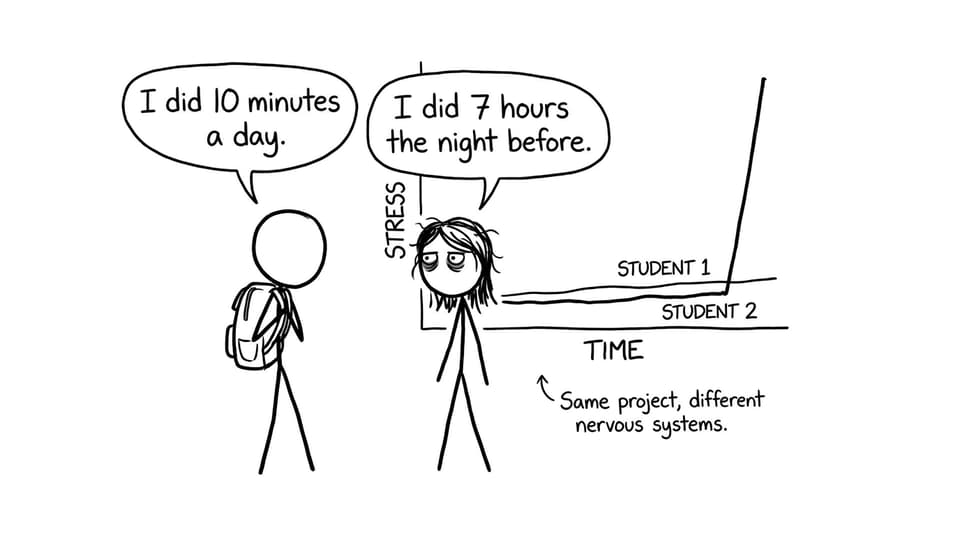
Closing: consistency is a quiet advantage in IB
The students who look “naturally organised” in IB usually aren’t. They just built a repeatable rhythm early, and protected it when life got busy.
If you help your teen keep moving in small steps, you’re not just supporting a project. You’re helping them build the kind of consistency that makes exam prep steadier, feedback less scary, and deadlines less dramatic.
When your teen is ready to turn that consistency into results, RevisionDojo brings the full system together: Study Notes, Flashcards, Questionbank, AI Chat, Grading tools, Predicted Papers, Mock Exams, a Coursework Library, and Tutors--all designed to make IB progress feel simpler, clearer, and more sustainable.


