Test anxiety rarely shows up as a single dramatic moment.
It’s more often a slow leak: your teen rereads the same paragraph, checks the clock too much, snaps at small questions, then says they’re “fine.” During IB exams, that leak can feel like it’s draining everything they’ve worked for.
If you’re an IB student reading this, or a parent sitting just outside the pressure, the goal isn’t to erase nerves. The goal is to make nerves smaller than the next step.
A quick IB support checklist (save this)
-
Name it: “This is anxiety, not danger.”
-
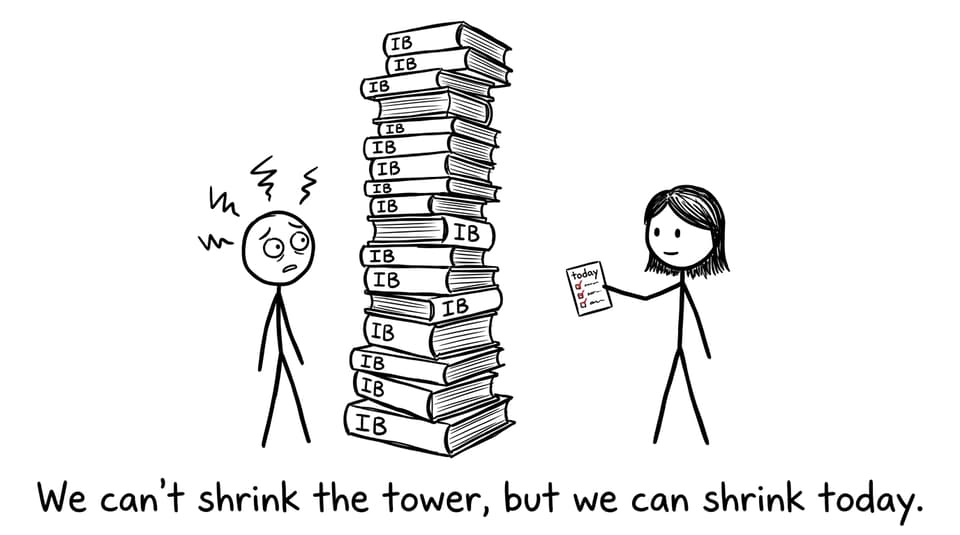
Shrink it: one topic, one question set, one paragraph.
-
Add proof: timed practice in small blocks.
-
Build a reset routine for the exam room.
-
Protect sleep, food, movement, and a calm home tone.
-
Get extra support if anxiety starts controlling daily life.
For an IB-specific anxiety plan, keep this guide bookmarked: How to Beat IB Exam Anxiety (Without Burning Out).
Why IB test anxiety hits so hard
The IB is a strange mix of marathon and microscope.
Your teen isn’t just “studying.” They’re performing under time limits, strict mark schemes, and constant comparison. Even confident students can spiral when they feel uncertainty: What if the questions look unfamiliar? What if I blank?
That’s why anxiety often drops when preparation becomes measurable. Not more hours. More evidence.
If you want language that normalizes pressure without dismissing it, this helps: How to Cope with IB Exam Stress & Anxiety About Failing.
What to do at home: calm, structure, and fewer words
Normalize nerves without negotiating the fear
Try: “It makes sense your body is loud right now. The exam matters. We’ll focus on the next mark.”
Avoid: “You’ll be fine,” or “Just relax.” In the IB, students often hear those phrases as proof that adults don’t understand the stakes.
Replace vague revision with an IB proof loop
Anxiety loves untested study. If you only reread notes, your brain never gets the message: I can do this under constraints.
A simple loop that works for most IB subjects:
-
Study Notes for quick clarity (short, targeted)
-
Flashcards for daily recall
-
Questionbank practice for exam-style application
-
Grading tools to turn “I’m bad at this” into “I lose marks on X”
RevisionDojo is built around that loop: RevisionDojo App: The Smarter Way to Prep for IB Exams.
And when you need pure practice structure, start here: Questionbank and Flashcards.
Teach a 30-second reset for IB exam moments
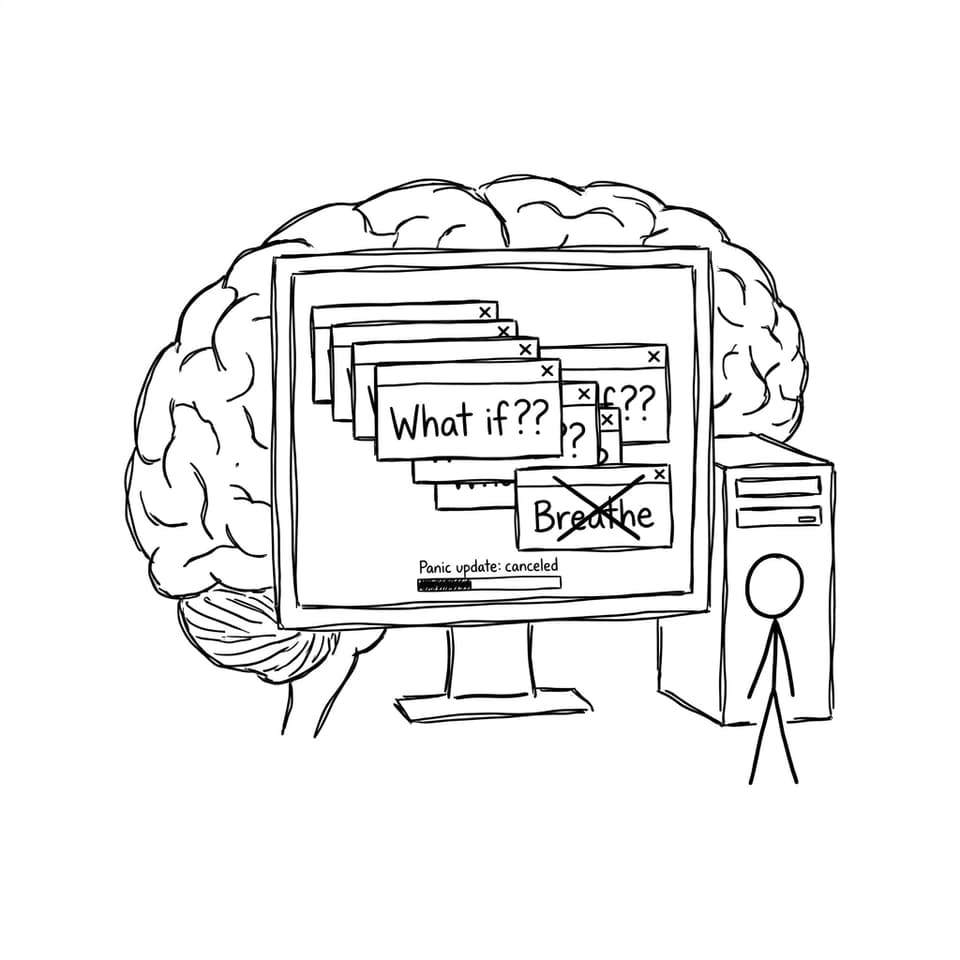
Blanking happens. The skill is returning.
A fast reset your teen can rehearse at home:
-
Put the pen down.
-
Exhale longer than you inhale (4 seconds in, 6 seconds out).
-
Name three neutral things you can see.
-
Restart with the easiest question on the page.
This pairs well with building timed familiarity: Perfect Night-Before Routine for IB Exams.
Build the environment: fewer sparks, more stability
During IB exams, your home becomes part of the nervous system.
-
Keep reminders short (one check-in, not hourly monitoring).
-
Reduce comparison talk (“Your friend studied 8 hours”) completely.
-
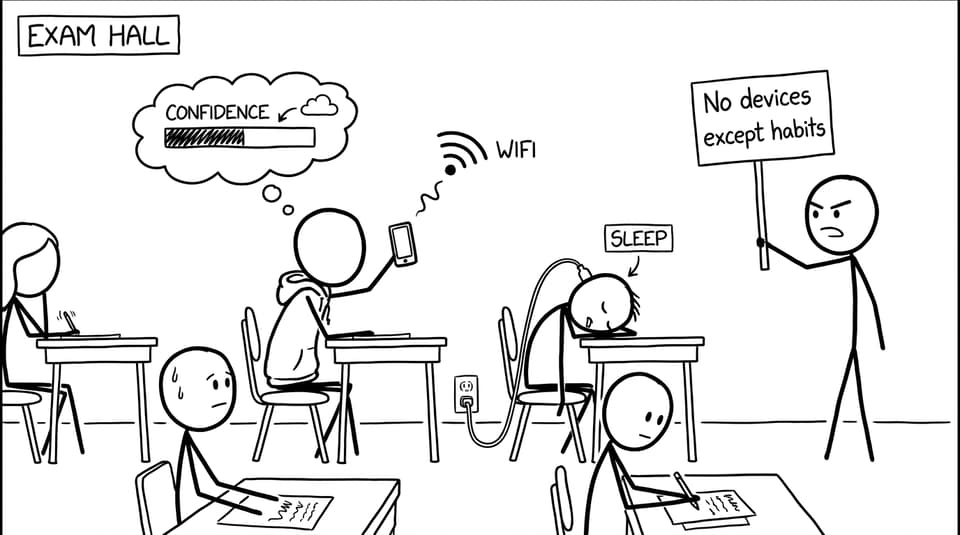
Protect sleep like it’s revision, because memory consolidation is.
If panic is part of the picture, read this together: How to Prevent Panic Attacks During IB Exam Season.
What parents should avoid (even when it’s well-meant)
-
Turning every conversation into strategy coaching.
-
Asking for grade predictions right before an exam.
-
Adding new resources late (new books, new channels, new “miracle” methods).
-
Treating stress as a motivation tool.
If your teen feels behind, this perspective often helps: Why You Feel Not Ready for IB Exams (Even If You Are).
A calm ending that still moves forward
The hardest part of IB test anxiety is that it makes the future feel louder than the present.
Bring your teen back to the present: one timed set, one reset routine, one good night of sleep, one small win. Then repeat.
If you want one place that supports the full IB loop, including practice, feedback, and calm under time pressure, RevisionDojo gives students a connected system: Questionbank, Study Notes, Flashcards, AI Chat, Grading tools, Predicted Papers, Mock Exams, Coursework Library, and Tutors. Start simple, stay consistent, and let proof do the calming.

