



A hook you can’t unsee (and why it matters in IB Geography)
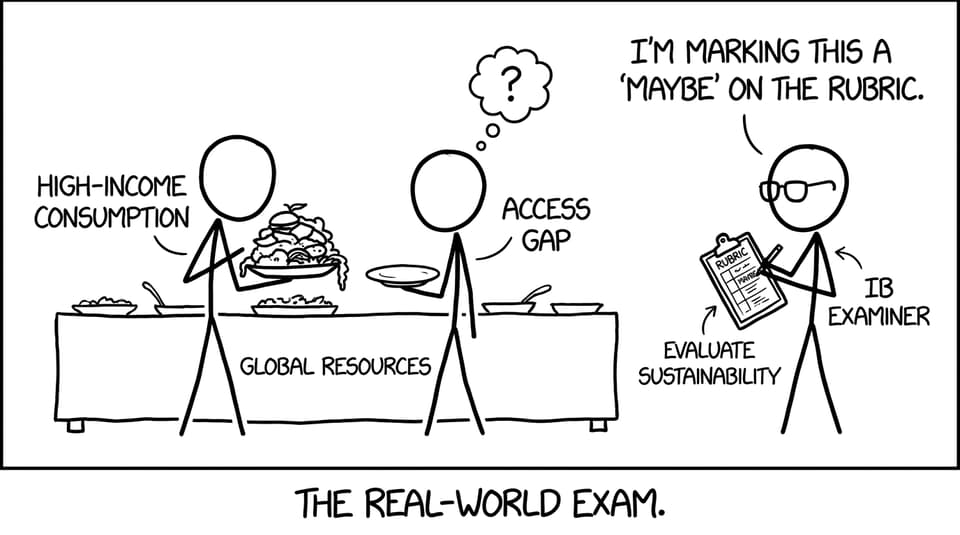
Picture a world buffet. Some people arrive with a trolley and a weekly meal plan. Others are told to “just take what’s left” and be grateful. That uncomfortable image sits at the heart of IB Geography: global patterns of resource consumption vary wildly, and those differences shape development, sustainability, and security.
In the IB Geography unit on Global Resource Consumption and Security, you’re not just memorising who uses what. You’re explaining why consumption looks uneven, where the impacts land, and how that links to resource stewardship.
Quick exam checklist: what to mention when patterns “vary”
When a question asks how consumption varies (classic IB Geography wording), scan for these:
-
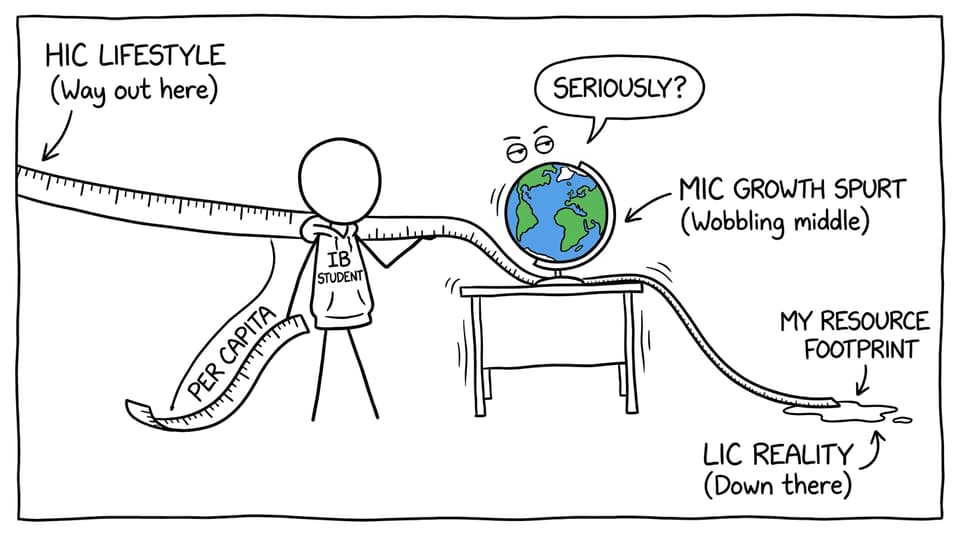
Development level (HICs vs MICs vs LICs)
-
Per capita vs total consumption (population size changes the story)
-
Lifestyle and diet (meat, transport, tech)
-
Inequality and access (needs vs wants)
-
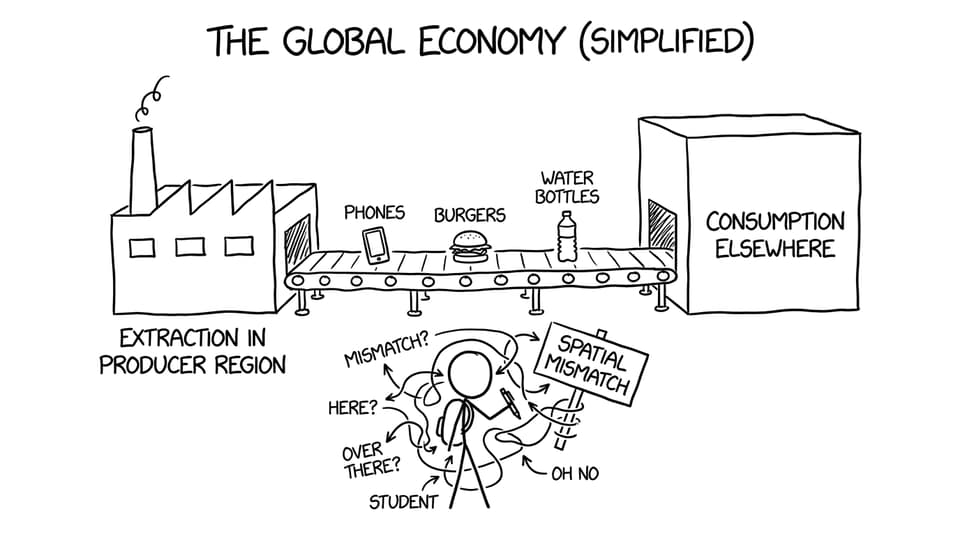
Spatial mismatch (where resources are extracted vs consumed)
For syllabus-aligned support, start with Global Resource Consumption and Security and the matching unit notes.
HICs: high per capita consumption, high ecological pressure
In IB Geography, High-Income Countries (HICs) are usually described as having high per capita resource consumption. Even with smaller populations, energy use, transport systems, and consumer lifestyles drive large ecological footprints. Think: frequent car use, energy-intensive housing, high electricity demand, and more manufactured goods.
If you want a measurable way to write this, use the ecological footprint idea from Measuring Resource Consumption notes. Metrics like ecological footprint and biocapacity help you turn “a lot” into “evidence.”
LICs: low per capita use, but real pressure through access and growth
Low-Income Countries (LICs) often show low per capita consumption, but that doesn’t mean “no resource issues.” In IB Geography, this is where you discuss limited access: clean water, reliable electricity, sanitation, and resilient infrastructure can be uneven or unavailable.
Also, population growth can intensify local stress on water, soils, forests, and fuelwood. So an LIC might contribute less to global totals, yet still face severe resource insecurity at household and regional scales.
MICs: the steepest change (and the reason patterns are shifting)
Middle-Income Countries (MICs) are where global patterns can change quickly. As incomes rise, urbanisation accelerates, and industry expands, consumption climbs: more electricity, more transport, more consumer goods, and often more resource-intensive diets.
This is why IB Geography questions sometimes focus on trends rather than categories. If you need a clean explanation of drivers, use Why Is Global Resource Consumption Increasing? as a model for linking development processes to demand.
Inequality and the “supply vs consumption” mismatch
A key IB Geography pattern is that extraction and consumption don’t always happen in the same place. Resources may be extracted in LICs and MICs, while profits and consumption concentrate elsewhere. This can create dependency relationships, price vulnerability, and environmental degradation in producer regions (deforestation, pollution, water depletion).
Another lens is the Water / Food / Energy nexus, because changing one resource system often reshapes the others. See What Is the Water / Food / Energy Nexus? for exam-ready interdependence phrasing.
How to turn this into marks (fast)
To score well in IB Geography, write patterns as a chain:
Development level to lifestyles and infrastructure to per capita consumption to inequality and environmental impact to sustainability judgement.
Then practise with exam-style prompts using 3.1 Global trends in consumption Questionbank. For data-heavy questions, How to Analyze IB Geography Data Effectively helps you describe trends without panicking.
Conclusion: the point of the pattern is the decision
Global patterns of resource consumption vary because development, population, and lifestyle vary. But in IB Geography, the real skill is showing what those patterns imply: unequal access, uneven environmental costs, and difficult trade-offs for resource stewardship.
If you want to revise this topic with less guesswork, RevisionDojo brings it together with Study Notes, Flashcards, AI Chat, a targeted Questionbank, Grading tools for structured answers, and realistic Predicted Papers and Mock Exams for timed practice. Start with IB Geography Resources and build your confidence one exam-style response at a time.