


The moment a business stops “guessing”
In IB Business Management, break-even analysis is one of those ideas that feels almost too neat: draw two lines, find the intersection, and suddenly the future looks predictable. But real managers don’t love it because it’s neat. They love it because it forces a simple, uncomfortable question: How many sales do we need before this idea stops losing money?
That question shows up everywhere, from a cafe deciding whether to add oat milk, to a global brand testing a new product line. If you can use break-even analysis calmly under exam pressure, you’re not just doing finance. You’re showing decision-making.
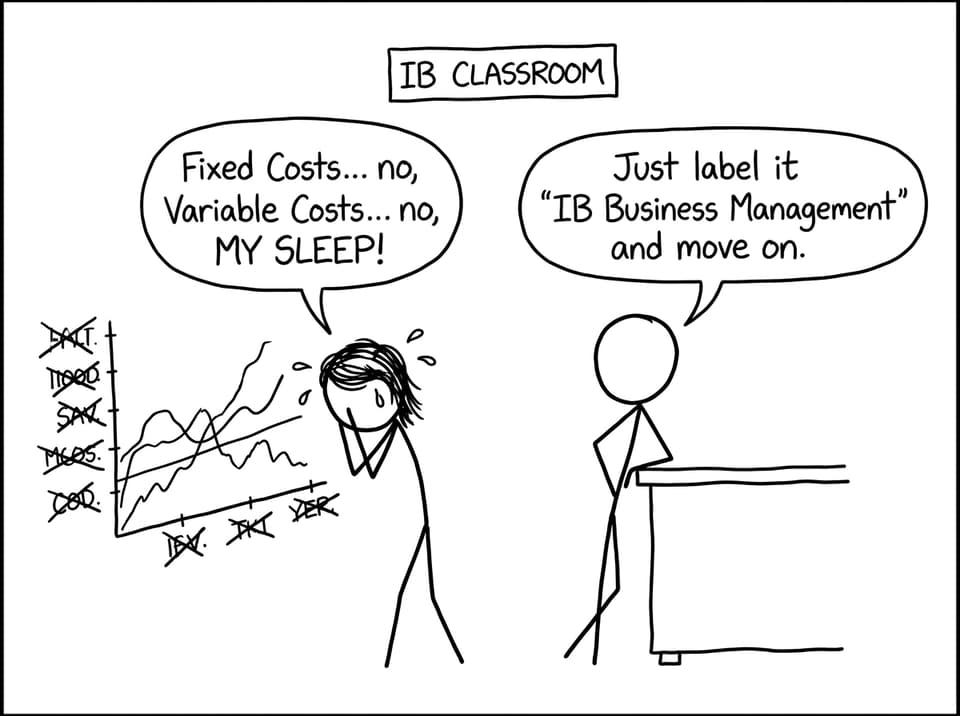
Break-even analysis checklist (what to know fast)
Use this quick checklist for IB Business Management exam answers:
-
Identify fixed costs (rent, salaries, insurance)
-
Identify variable cost per unit (materials, packaging)
-
Set a selling price
-
Calculate contribution per unit = selling price - variable cost per unit
-
Calculate break-even output = fixed costs / contribution per unit
-
Interpret: below break-even = loss; above break-even = profit
If you need a tight syllabus-aligned refresher, start with 5.5 Break-even analysis and the Key definitions glossary.
How businesses use break-even analysis to make better decisions
Pricing decisions: choosing a price that can survive reality
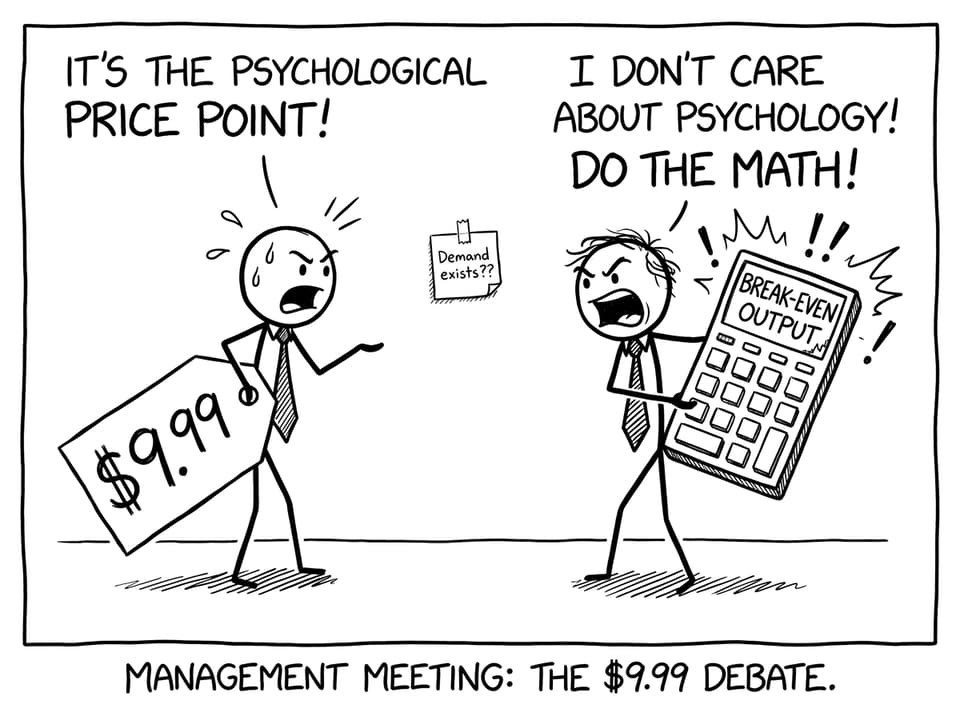
In IB Business Management, pricing isn’t “set it and forget it.” A business can pick a low price to win customers, but break-even analysis asks what that price does to contribution and break-even output.
If contribution per unit is small, the firm needs a very high sales volume just to cover fixed costs. That’s a warning light: the price might be too low for the cost structure.
To sharpen this, connect break-even analysis to revenue thinking using Costs and revenues (3.3) and Total revenue and revenue streams notes.
Production planning: deciding what “enough sales” really means
Operations decisions often look practical (“How many should we produce?”), but they’re financial decisions in disguise. Break-even analysis helps managers estimate the minimum output needed to avoid losses.
If demand is seasonal or uncertain, the break-even point highlights risk. A high break-even output means the business needs consistent demand just to stay afloat, so managers may choose smaller batches, flexible staffing, or a different production method.
For targeted practice, try Break-even analysis Questionbank to learn how exam questions turn charts into decisions.
New product or project evaluation: “Is this launch financially sane?”
Before launching something new, businesses use break-even analysis to test feasibility. If fixed costs are high (new machinery, marketing, premises), break-even output may become unrealistic.
This doesn’t automatically kill the idea, but it pushes better questions: Can we raise price? Lower variable costs? Reduce fixed costs by outsourcing? Or is the market too small?
If you want a clean explanation of contribution (the engine behind break-even), read What is contribution, and why is it essential for understanding profit.
Cost management: turning “too expensive” into a concrete target
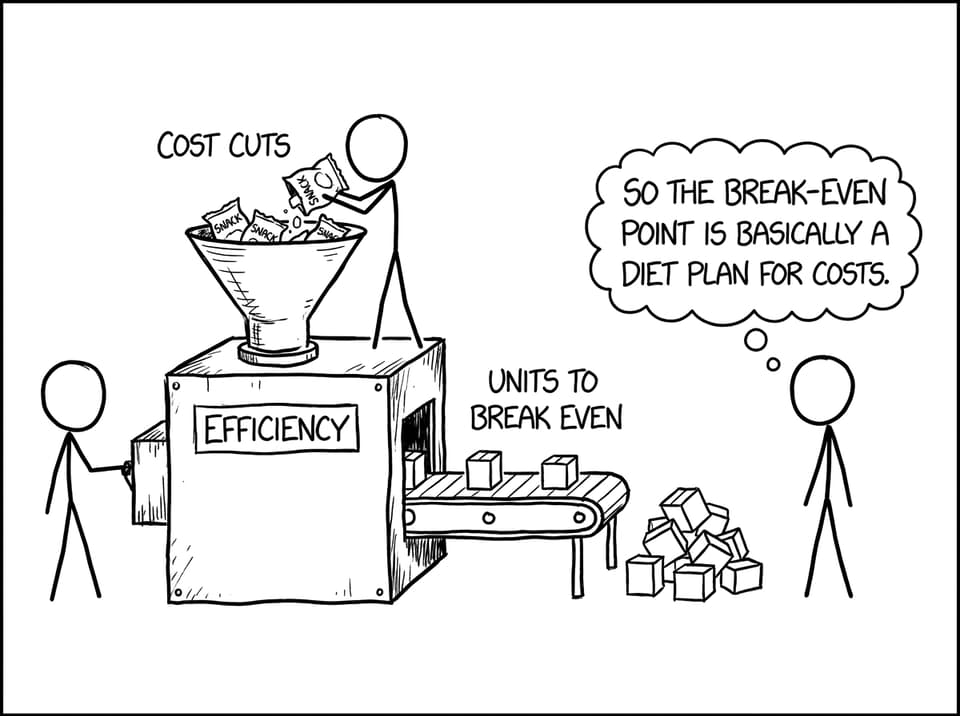
Break-even analysis is also a cost-control tool. When fixed costs rise (rent increases) or variable costs rise (materials inflation), the break-even point shifts upward. That shift gives managers a measurable reason to renegotiate suppliers, redesign packaging, or improve productivity.
In IB Business Management terms, it links directly to efficiency: lower costs usually mean higher contribution and a lower break-even output.
Sales targets and scenario planning: making goals and choices comparable
Businesses translate break-even output into sales targets because it creates clarity. It’s easier to motivate a team around “we need 2,000 units this month to cover costs” than “let’s try to do well.”
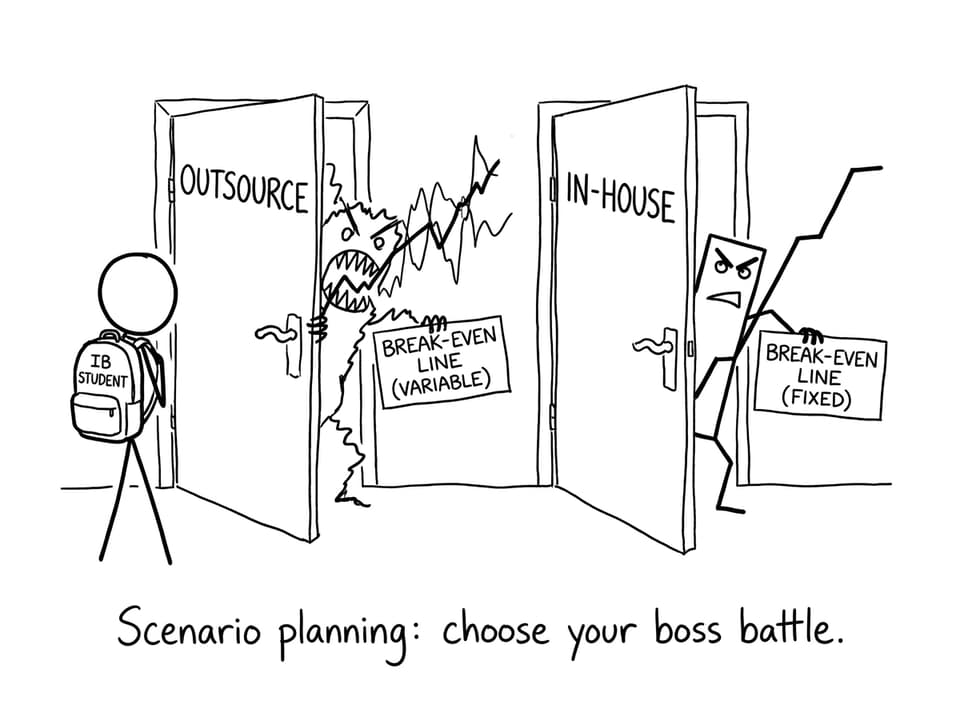
Break-even analysis also supports scenario planning: compare in-house vs outsourcing, different suppliers, or different price points. For a syllabus-friendly look at how changes affect outcomes, see Effects of changes in price or cost on break-even notes.
Closing: the point of break-even analysis (and how to revise it fast)
Break-even analysis matters in IB Business Management because it turns vague business hopes into measurable decisions: pricing, output, projects, cost control, and targets. It’s not about drawing a perfect chart. It’s about explaining what the break-even point forces a manager to confront.
To lock it in before exams, build a short routine on RevisionDojo: review the 5.5 Break-even analysis cheatsheets, practice with the Questionbank, then use AI Chat and Grading tools to improve your evaluation paragraphs. Add Flashcards for formulas, Study Notes for definitions, and finish with Mock Exams and Predicted Papers to make break-even analysis feel automatic when it counts.