


A liquidity problem can happen on a “profitable” day
In IB Business Management, one of the most uncomfortable truths is that a business can look successful on paper and still feel broke in real life. Imagine a cafe that’s “making profit” each month, but payroll hits on Friday, the supplier wants payment on Monday, and customers take 45 days to settle invoices. Profit exists. Cash doesn’t. That’s the gap liquidity lives in.
Liquidity is about short-term survival: paying bills, wages, rent, and suppliers on time. Profitability is about long-term strength: earning more than you spend. The exam-friendly challenge (and the real business challenge) is improving liquidity without sacrificing profitability.
Quick checklist: liquidity upgrades that don’t wreck margins
-
Speed up cash inflows (without giving away too much margin)
-
Slow down cash outflows (without damaging supplier relationships)
-
Reduce cash tied up in inventory
-
Cut waste and inefficiency (not value)
-
Delay non-essential spending
-
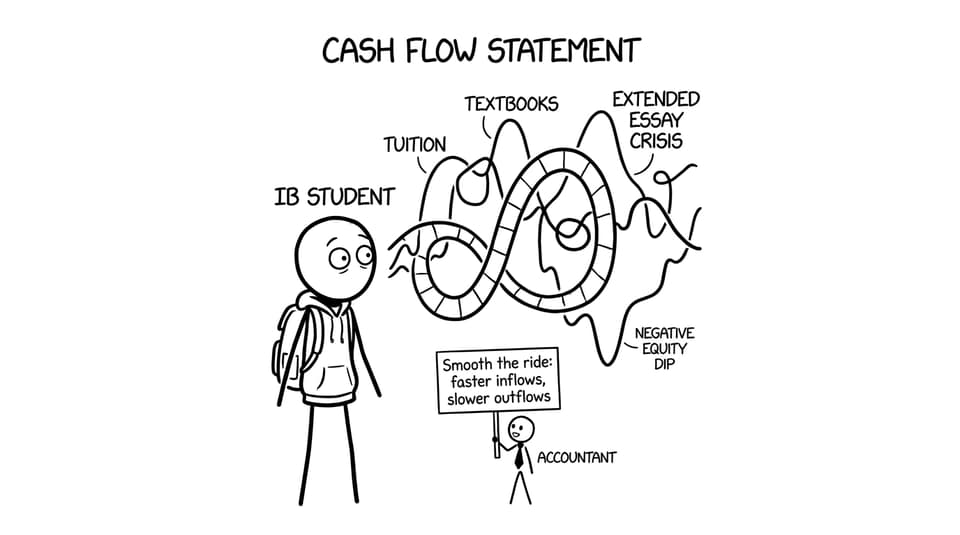
Use a cash flow forecast to spot trouble early
For the core theory, keep IB Business Management finance content close: Profitability and liquidity ratio analysis and Cash flow.
Speed up cash inflows (the cleanest liquidity win)
The most profitable way to improve liquidity is often the least dramatic: get paid sooner.
In IB Business Management, you can frame this as improving accounts receivable management. Tactics include:
-
Tightening credit terms (shorter payment windows)
-
Sending earlier reminders and clearer invoices
-
Using small early-payment incentives selectively (only if the margin can absorb it)
-
Asking for deposits on large orders
The key evaluation point: early payment discounts can improve liquidity but may reduce profitability if discounts are too generous. Your job is to show balance.
To revise the ratios that reveal whether these changes worked, use Liquidity ratios notes.
Control cash outflows without starting a supplier war
Liquidity improves when cash stays in the business longer. But there’s a difference between “managing payables” and “burning trust.”
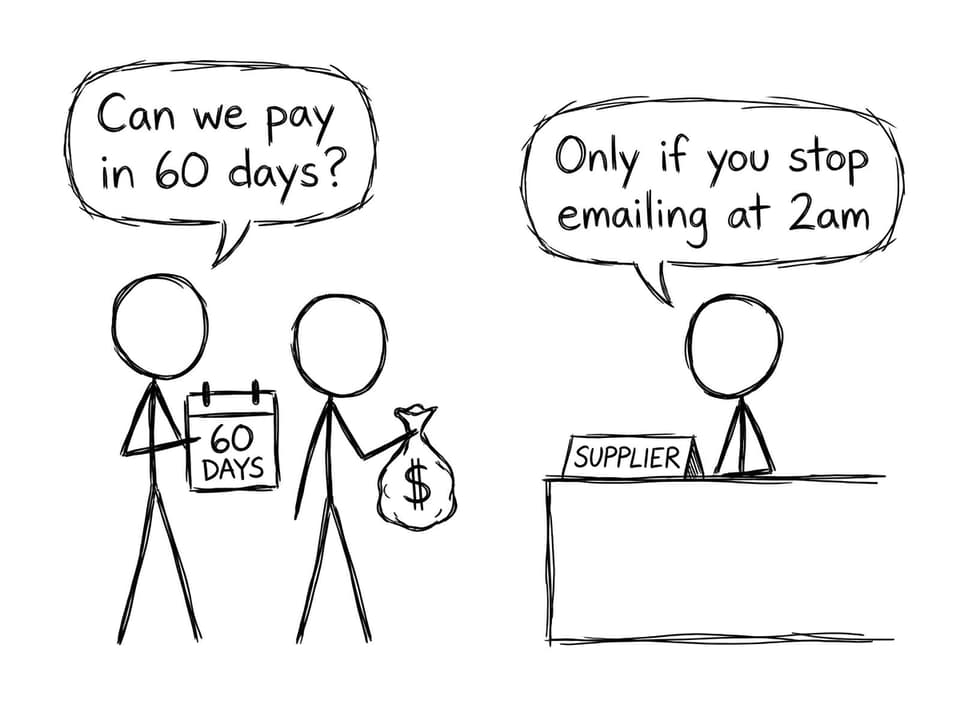
Strong IB Business Management answers mention negotiating better credit terms with suppliers: paying in 30, 60, or 90 days instead of immediately. If the supplier relationship is healthy, extended terms can improve liquidity without changing selling prices or unit costs.
Also consider:
-
Scheduling payments (avoid bunching them in one week)
-
Cutting non-essential overheads (subscriptions, wasteful utilities, unnecessary travel)
For syllabus-aligned strategies, see Strategies to improve liquidity ratios notes.
Reduce inventory cash traps (free cash hiding in boxes)
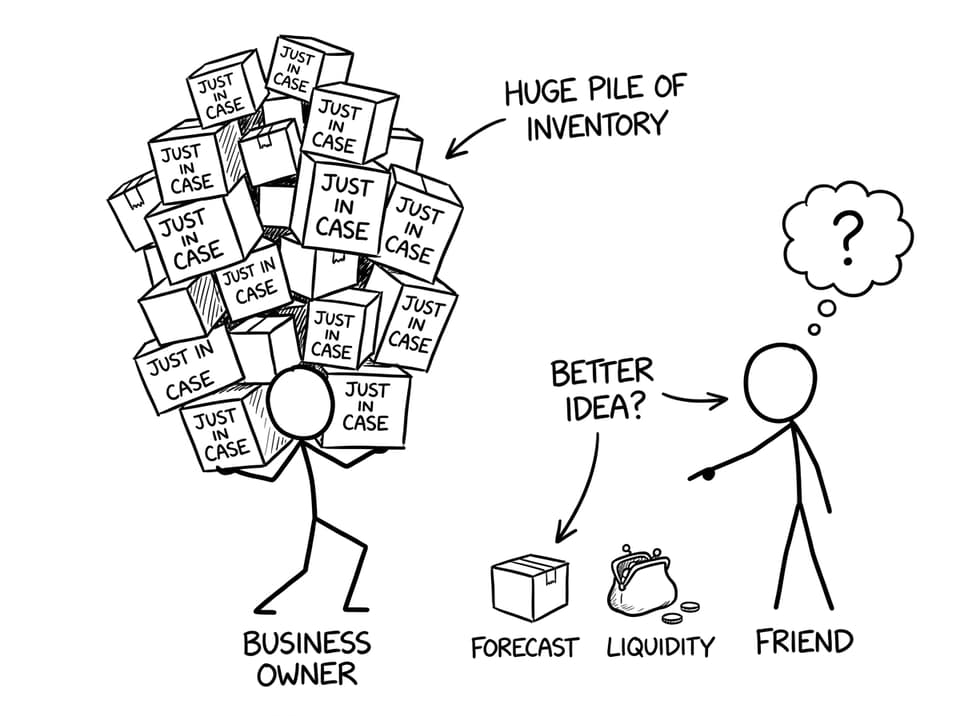
Inventory is a classic liquidity illusion: it looks like an asset, but it can’t pay tomorrow’s bills quickly.
In IB Business Management, this links to working capital management: reducing excess stock releases cash tied up in unsold goods. Methods include better demand forecasting, lean operations, and avoiding “just in case” over-ordering.
A strong evaluation point: cut inventory too far and you risk stockouts, lost sales, and reputational damage (which can hurt profitability). So the goal is optimum stock levels, not minimum stock.
Connect this to the concept of working capital using Working capital notes.
Forecast cash early, not emotionally
The most “adult” liquidity strategy is also the most exam-rewarded: planning.
A cash flow forecast helps managers anticipate shortfalls before they become emergencies. It’s easier to adjust ordering, negotiate payment dates, or run a targeted promotion when you can see the dip coming.
Revision support: Cash flow forecasts notes plus quick definitions in the IB Business Management glossary.
Exam tip: link actions to ratios
To show measurable impact (very IB Business Management), mention the current ratio and acid-test ratio, then explain which strategy changes the numerator (current assets) or denominator (current liabilities). Keep formula revision handy with the Business Management data booklet.
Bring it home: liquidity is a strategy, not a panic button
Businesses improve liquidity best when they treat cash like a system: faster inflows, smarter outflows, less cash trapped in inventory, and forecasts that replace surprise with planning. That’s the story examiners want in IB Business Management: balanced decisions that keep the business alive today without shrinking it tomorrow.
To practice this the way the IB rewards, use RevisionDojo’s 3.5 Questionbank and 3.7 Questionbank, then reinforce with RevisionDojo Flashcards, Study Notes, AI Chat, and Grading tools. Add Predicted Papers, Mock Exams, and the Coursework Library when you’re ready to pressure-test your understanding. If you want human feedback, RevisionDojo Tutors can help you turn solid finance theory into top-band evaluation.


