

The MYP began as a problem, not a brand
The MYP didn’t start with a shiny brochure or a grand launch video. It started with a familiar student experience: you work hard in one system, then you switch tracks and suddenly the rules of success change.
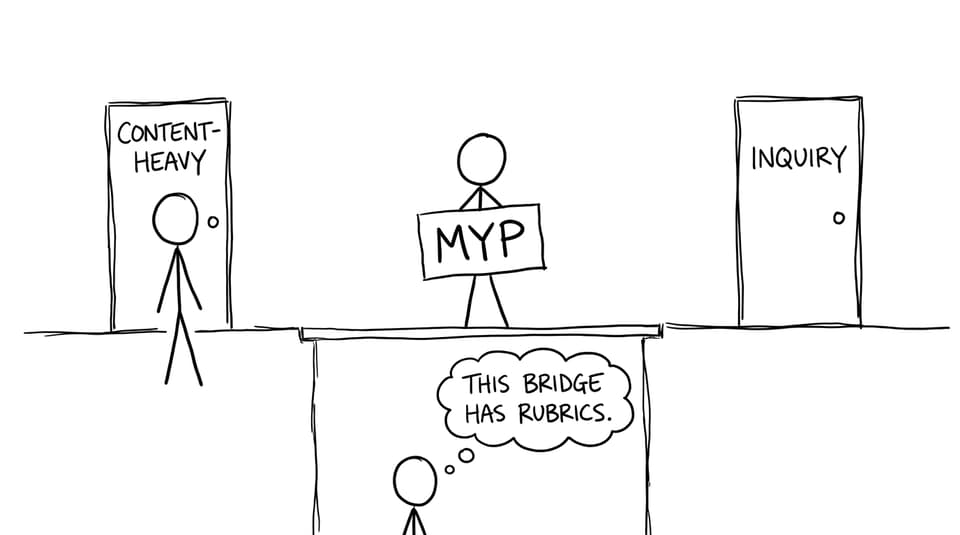
In the late 1970s, international educators saw this whiplash firsthand. Younger students were often taught through content-heavy syllabi, then asked to thrive in the inquiry-driven IB Diploma Programme later. The gap wasn’t just academic. It was emotional: confidence dropped, learning felt like a reset, and students who were “good at school” sometimes stopped feeling good at learning.
The MYP was created to solve that transition problem, and its global development timeline shows how seriously the IB took the middle years. If you’re an IB student preparing for exams, knowing this history isn’t trivia. It explains why your MYP assessments focus on concepts, criteria, and skills, and why your revision should too.
For the bigger picture of what the programme is today, start with Middle Years Program (MYP) on RevisionDojo.
Quick timeline checklist (save this for revision)
Use this mini-checklist when you need the MYP history fast:
-
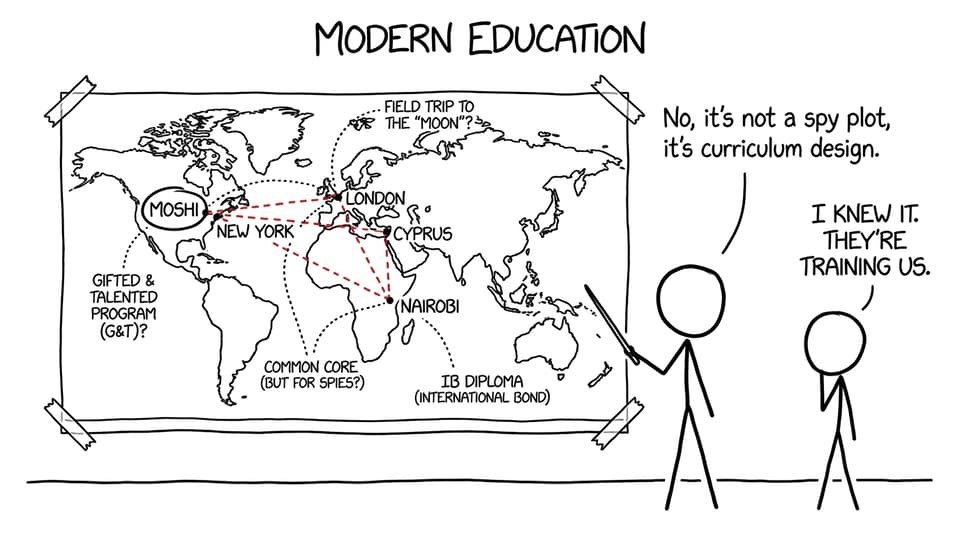
Late 1970s: the core need emerges at International School Moshi (Tanzania)
-
1978: the idea is shared at an AISA conference in Nairobi
-
1981-1983: conferences in Lusaka, New York, London, Cyprus shape the framework
-
1983: early project becomes known as ISAC (ISA Curriculum)
-
1987-1990: pilot implementations in countries including Canada, the Netherlands, Argentina
-
1994: official launch of the MYP by the IBO
-
1994-2014: global growth and local-curriculum flexibility drives adoption
-
2014: “MYP: Next Chapter” redesign (stronger conceptual model, digital assessment options)
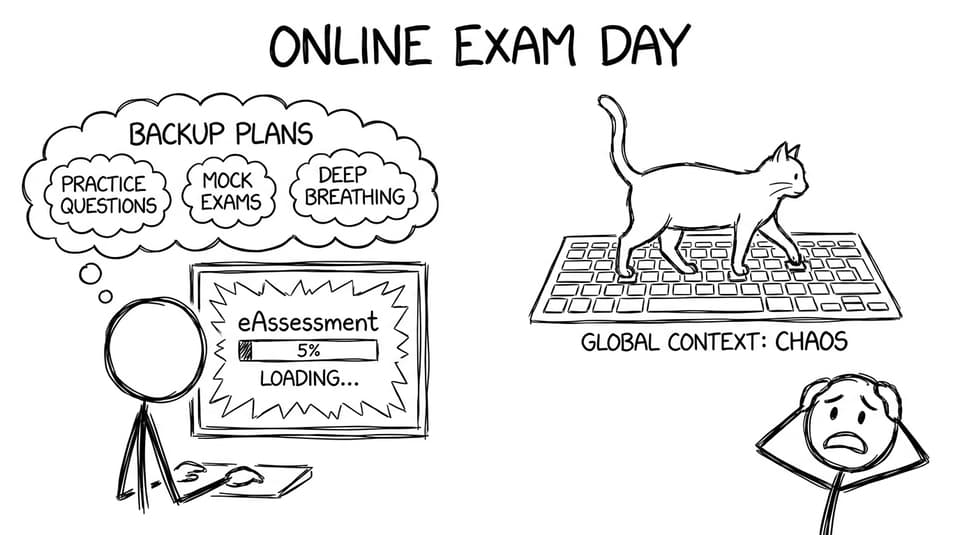
You’ll see this timeline reflected in how MYP eAssessment works today, and why it rewards transfer and application.
Origins of the MYP (late 1970s): the Moshi question
At the International School Moshi in Tanzania (now part of UWC East Africa), educators noticed a recurring pattern: students could handle a traditional lower-secondary programme, but struggled when the learning culture shifted toward inquiry and reflection later.
So the question formed: what would an IB-style framework look like for ages 11-16?
Not “a mini-DP.” Not a pre-test. A real middle-years structure that respected adolescence: identity formation, uneven motivation, rapid cognitive growth, and the need to connect learning to the world beyond school.
That question matters for your exam prep because the MYP was designed from day one around how students actually develop. That’s why RevisionDojo’s Study Notes and Flashcards work best when you connect them to concepts and contexts, not just isolated facts.
If you want practical study tactics built around that philosophy, see MYP Revision Guide: Study Tips for Success.
1978: Nairobi and the idea goes public
In 1978, the concept was presented at an Association of International Schools in Africa (AISA) conference in Nairobi. This is one of those quiet milestones that’s easy to miss: a local problem became a shared, international design challenge.
In retrospect, it’s also the first clue that the MYP would spread quickly. It wasn’t built for one national system. It was built for schools that needed coherence across borders, languages, and curricula.
For students, this explains a key exam reality: MYP tasks often put content into unfamiliar settings. They’re training you for international-minded thinking, not just familiarity.
1981-1983: conferences build the bones of the programme
A series of conferences followed across multiple cities, including Lusaka (1981), New York (1981), London (1982), and Cyprus (1983). The point wasn’t just to share opinions. It was to define what the middle years should develop.
Educators aligned around needs that will feel familiar if you’ve lived the MYP:
-
global awareness
-
intellectual stretch
-
personal development
-
physical development
-
creative expression
-
social responsibility
This list explains why the MYP never reads like a single-subject checklist. It’s a framework where skills and identity are part of the academic goal.
If you’ve ever wondered why criteria language matters so much, it comes from this stage: the programme needed common standards even when schools used different local content.
To make criteria feel less mysterious, read How Are IB MYP Students Graded? Criteria Explained.
1983: ISAC and the early architects
By 1983, the developing curriculum was known as ISAC (the ISA Curriculum), coordinated through the International Schools Association (ISA). Key contributors included figures such as Gérard Renaud and Robert Belle-Isle, who helped translate the “we need a bridge” problem into a workable programme structure.
For exam students, here’s the takeaway: the MYP wasn’t built to enforce one textbook. It was built to enforce quality thinking.
That’s also why RevisionDojo leans into active practice: the Questionbank and AI Chat are designed to help you explain, justify, interpret, and evaluate, the verbs that keep showing up in MYP assessments.
1987-1990: pilot schools test reality
Between 1987 and 1990, pilot schools in places including Canada, the Netherlands, and Argentina implemented early versions. This is where theory met classroom time limits, teacher training realities, and student confusion.
Pilot phases are messy by definition, but they’re crucial. They push programmes to become teachable and assessable.
As a student, you benefit from this history because modern MYP assessment is shaped by iterations. It’s why tasks include clear criteria strands, and why feedback cycles are baked into the culture.
To see what high performance looks like when a task has rubrics and evidence requirements, explore Achieving Top Marks in IB MYP: Real-Life Student Stories.
1994: official launch of the MYP
In the early 1990s, the International Baccalaureate Organization adopted and expanded the developing framework. In 1994, the MYP was officially launched, completing the continuum:
-
PYP (primary years)
-
MYP (middle years)
-
DP (pre-university)
This wasn’t just organisational. It was philosophical: learning could be a continuous journey rather than three disconnected systems.
If you want a clean overview of what the programme is and how it works now, see What Is the IB Middle Years Programme? Explained for Parents and Students.
1994-2014: the MYP goes global (because it flexes)
Over the next two decades, the MYP expanded rapidly. One reason is simple: it could sit alongside national requirements instead of replacing them. Schools could keep local content while using the IB framework to shape unit design, assessment, and learning skills.
For exam prep, this flexibility creates a personal responsibility: you can’t rely on “my teacher said this exact fact will be on the test.” The MYP often rewards transferable understanding.
On RevisionDojo, that’s where a tight loop helps:
-
learn foundations with Study Notes
-
lock terms with Flashcards
-
apply under pressure using Mock Exams
-
fix gaps quickly with AI Chat
-
benchmark quality with Grading tools
If you’re preparing for on-screen assessments, follow MYP eAssessments: 30-Day Study Plan That Works.
2014: “MYP: Next Chapter” and the modern programme
In 2014, the IB introduced “MYP: Next Chapter,” a significant redesign that strengthened conceptual learning, global contexts, interdisciplinary learning, and optional digital assessment pathways.
Key shifts students still feel today include:
-
stronger emphasis on concept-driven units
-
clearer development of ATL (Approaches to Learning) skills
-
more structured interdisciplinary expectations
-
optional eAssessment and the MYP Certificate pathway
-
service as action reinforced as a core experience
If you want a forward-looking view of where the programme is heading, read The Future of the IB Middle Years Programme: Trends and Innovations.
How this timeline helps your MYP exam prep
The MYP timeline isn’t just history. It’s a study strategy hidden in plain sight:
-
Because the programme was built to bridge systems, your revision should bridge topics (mixed practice beats isolated rereading).
-
Because it was designed for international contexts, practice applying concepts in unfamiliar scenarios.
-
Because assessment was refined through pilots and redesigns, use criteria language when you review mistakes.
A practical way to turn this into action: open the RevisionDojo MYP hub, pick one subject, and run a weekly cycle: Notes -> Questions -> Review -> Flashcards -> timed set.
The MYP story ends where your revision starts
The MYP began as a bridge between two learning worlds. That’s still its job today: helping you move from “I know facts” to “I can use ideas.” Once you see the global development timeline, the programme’s logic becomes clearer, and your study plan gets calmer.
If you’re preparing for exams, treat the MYP the way it was built: practise transfer, reflect on feedback, and learn the criteria language. Then make it automatic with RevisionDojo’s Questionbank, Study Notes, Flashcards, AI Chat, Grading tools, Mock Exams, Predicted Papers, Coursework Library, and Tutors.
To keep everything in one place, start here: Middle Years Program (MYP) on RevisionDojo.