
MYP Community Project Ideas for Year 3 and 4 Students
The first time most students hear “Community Project,” they imagine something cinematic: a school-wide movement, a charity gala, a documentary that changes minds. Then they remember they also have MYP tests, homework, and a calendar that keeps shrinking.
That tension is normal. In fact, it’s quietly the point. The MYP Community Project is where you learn to do something meaningful in the real world while still being a student with limits. The best projects don’t come from heroic ambition. They come from a clear need, a realistic plan, and evidence you can actually collect.
This guide shares practical MYP community project ideas for Year 3 and Year 4, plus a planning checklist and reflection strategy that also helps you stay calm during exam season.
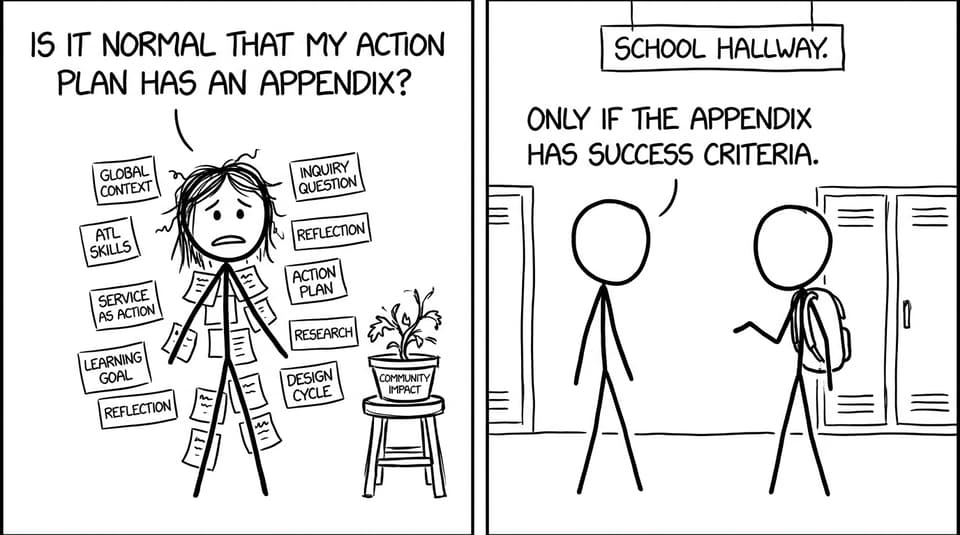
A quick MYP checklist before you choose an idea
Before you commit to any MYP Community Project idea, run it through this fast filter:
-
Need: Who benefits, specifically?
-
Scope: Can you finish in 4--8 weeks without skipping revision?
-
Global Context: Can you explain the connection in two sentences?
-
Service as Action: Is there a real action, not just awareness?
-
ATL skills: Which skills will you demonstrate (research, collaboration, self-management, communication, thinking)?
-
Evidence: What will you collect weekly (photos, drafts, survey data, feedback notes, meeting logs)?
If you want extra structure for your planning stages, use this companion guide: How to Guide MYP Community Project Planning.
What the MYP Community Project is really testing
In the MYP, the Community Project isn’t asking, “Did you solve a global problem?” It’s asking, “Can you investigate a real need, plan responsibly, take meaningful action, and reflect with evidence?”
That’s why small projects often score better than huge ones: they leave a clear trail of decisions. If you’re also preparing for exams, this matters even more. You need a project that fits your life, not one that replaces it.
To strengthen the “service” side of your work and how it’s evaluated, read: How Is Service as Action Evaluated in IB MYP? and Impact of Community Service on MYP Certificate Eligibility.
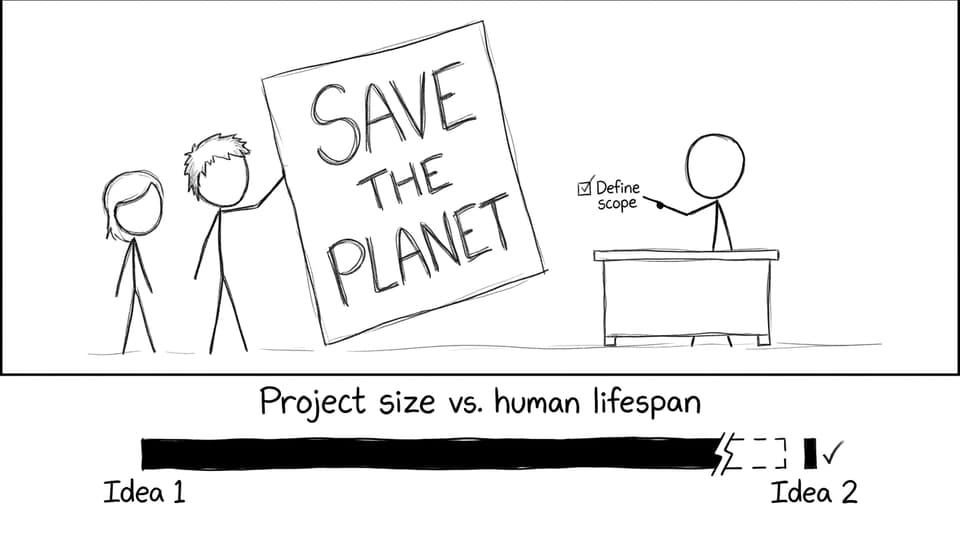
Community Project ideas that work well in MYP Year 3 and 4
Below are MYP-friendly ideas designed to be measurable, evidence-rich, and realistic.
Sustainability and local action (Globalization and Sustainability)
Low-waste school challenge
-
Action: run a 2-week “no single-use plastic” or “clean lunch” challenge in one year group.
-
Evidence: before/after bin audit, participation tally, short student feedback form.
Community clean-up with data
-
Action: partner with a local group to clean a park or area near school.
-
Evidence: photos by location, counts of collected items, a simple impact summary.
Mini school garden for wellbeing
-
Action: create a small herb or pollinator garden with a care schedule.
-
Evidence: planting plan, growth log, feedback from users (students/teachers), maintenance checklist.
Wellbeing and belonging (Identities and Relationships)
Peer stress toolkit for exam season
-
Action: make a short “stress + revision” toolkit for your year (one-page guide, short video, or posters).
-
Evidence: survey on stress triggers, draft iterations, feedback from 8--12 students.
Inclusive sports or games session
-
Action: run one lunchtime event with adapted activities so students of different abilities can participate.
-
Evidence: risk assessment, participation list, reflection on inclusion and communication.
Mental health art wall (with consent and safeguarding)
-
Action: curate an art display about emotions and coping strategies, plus signposting to support.
-
Evidence: planning notes, contributor permissions, visitor reflections, your evaluation of impact.
Digital life and safety (Scientific and Technical Innovation)
Digital safety workshop for younger students
-
Action: deliver a 20-minute workshop on privacy, phishing, and healthy screen habits.
-
Evidence: lesson plan, pre/post quiz results, teacher feedback.
Simple study-planner template for MYP students
-
Action: design a printable or digital weekly planner and test it with a small group.
-
Evidence: prototype versions, user feedback, improvement notes, final distribution.
Culture, voice, and community (Personal and Cultural Expression)
Cultural food and story day
-
Action: host a small event where students share food traditions and personal stories (even one class period works).
-
Evidence: planning timeline, participant contributions, reflection on intercultural understanding.
Language buddy micro-program
-
Action: pair students to support new joiners or EAL learners with a weekly check-in.
-
Evidence: session logs, short confidence survey, reflection on communication ATL skills.
Education access and fairness (Fairness and Development)
Book drive plus reading support
-
Action: collect books and create a simple “how to choose a book” guide for younger students.
-
Evidence: inventory, delivery photos, feedback from a librarian/teacher.
Revision club for one topic
-
Action: run 3 short revision sessions for a specific unit (math skills, humanities essay structure, science graphs).
-
Evidence: attendance, exit tickets, reflection on teaching as learning.
If you want more MYP-wide inspiration, browse: All #MYP Posts.
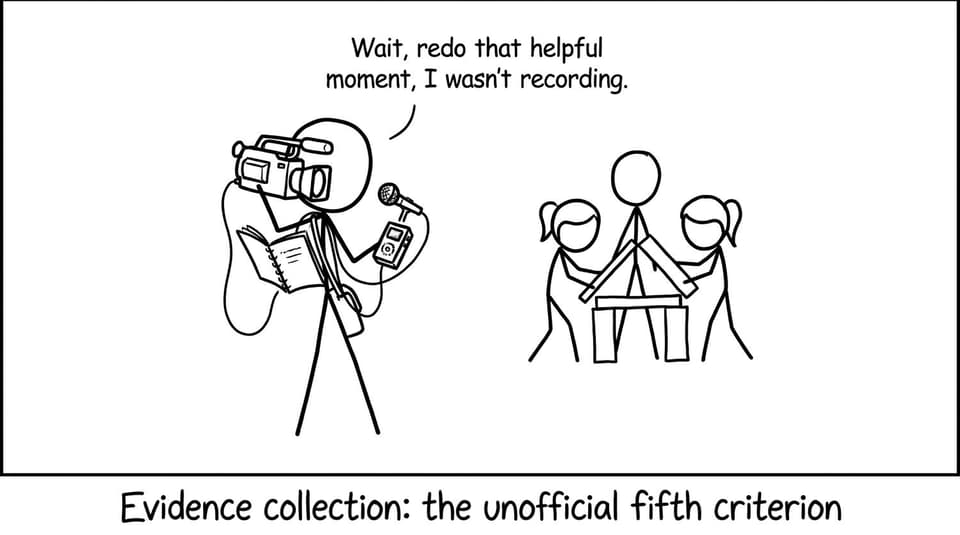
The MYP process that makes your project easier to write
Most MYP Community Project stress happens when students treat the report like something you write at the end. A calmer approach is to treat your project like a trail of “evidence blocks” you collect each week:
Investigate (Week 1--2)
-
Write a focused need statement.
-
Do light research (credible sources, interviews, school data).
-
Save screenshots and notes that show what you learned.
Plan (Week 2)
-
Build a timeline with checkpoints.
-
Create success criteria early so evaluation is simple later.
-
Assign roles if you’re in a group.
Take action (Week 3--6)
-
Deliver the product, event, workshop, campaign, or support program.
-
Collect proof weekly: drafts, photos, feedback, numbers.
Reflect (every week)
-
Write one honest paragraph: what happened, why it matters, what changed.
-
Name one ATL skill and explain how you used it.
For students who like clear Global Context alignment, this is useful: Identifying the Best Global Context for Your MYP Project and MYP Personal Project Global Contexts Explained.
How RevisionDojo supports MYP students during project + exam season
The tricky part of MYP Year 3 and 4 is that you’re building long-form skills while still sitting exams. RevisionDojo is designed for that exact reality.
-
Use the Questionbank to keep exam practice steady while your Community Project runs: Questionbank.
-
Use Study Notes and Flashcards to keep concepts and ATL language sharp.
-
Use AI Chat to refine your goal, tighten success criteria, and improve reflection clarity.
-
Use Grading tools to check whether your writing actually answers rubric expectations.
-
Use Mock Exams and Predicted Papers to simulate timed conditions without panic.
-
Use the Coursework Library for models of clear structure and evidence use.
-
Use Tutors when you need a calm, external checkpoint for feasibility and evaluation depth.
If you’re navigating both projects and exam prep, this overview helps: RevisionDojo App: The Smarter Way to Prep for IB Exams.
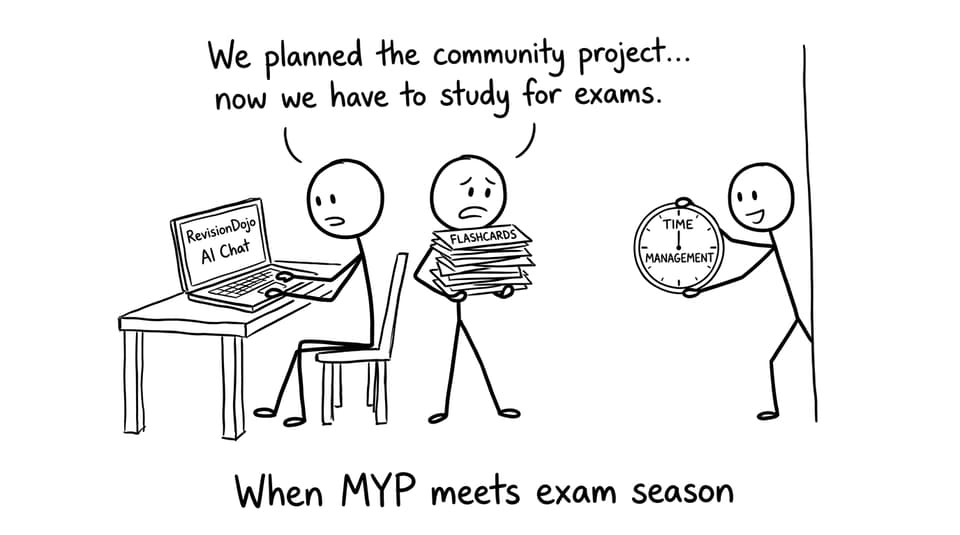
Closing: make your MYP project smaller, then make it real
The best MYP Community Project ideas for Year 3 and 4 aren’t the ones that sound impressive in the hallway. They’re the ones you can finish, prove, and learn from while your exams keep moving.
Choose a need you can see. Plan an action you can sustain. Collect evidence like it’s part of the project (because it is). Then use RevisionDojo to keep your academic momentum through Questionbank practice, Study Notes, Flashcards, AI Chat, Grading tools, Mock Exams, Predicted Papers, the Coursework Library, and Tutors. In the MYP, consistency beats intensity -- and that’s a lesson that lasts long after the final reflection.


