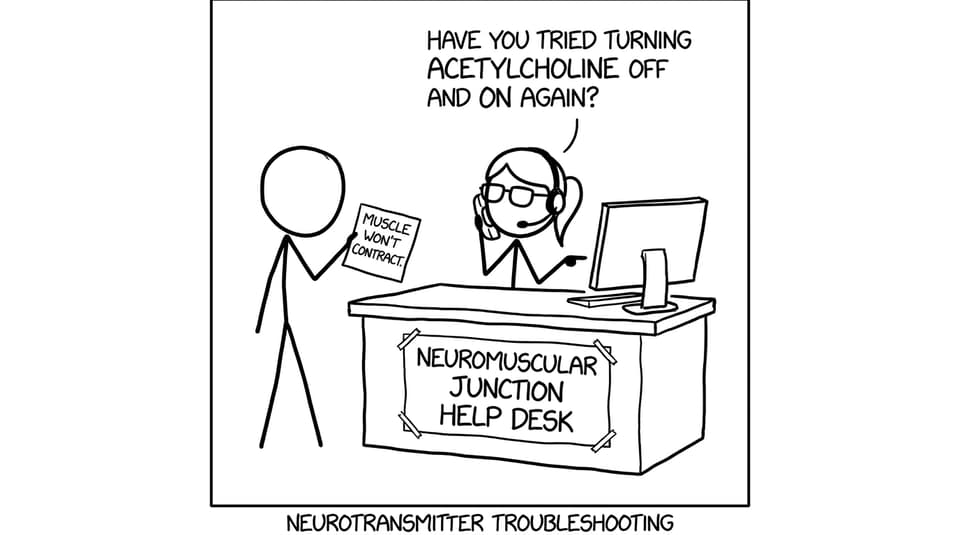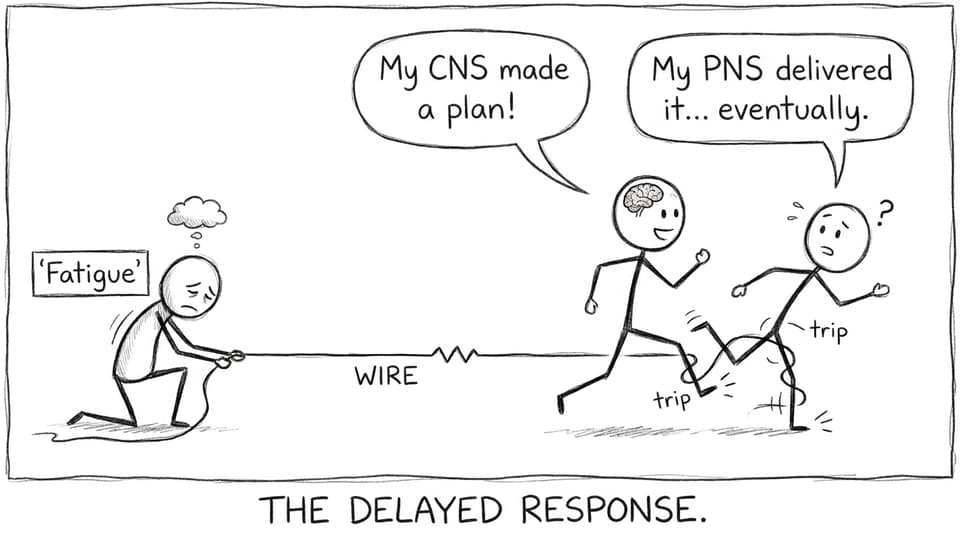

The moment before a sprint starts is almost silent. Your legs are still. Your eyes lock in. And somewhere between intention and motion, a fast conversation begins.
That conversation is the nervous system doing its job: deciding, sending, adjusting. If you are revising IB SEHS, knowing the difference between the central vs peripheral nervous system is one of those small distinctions that quietly upgrades your exam answers.
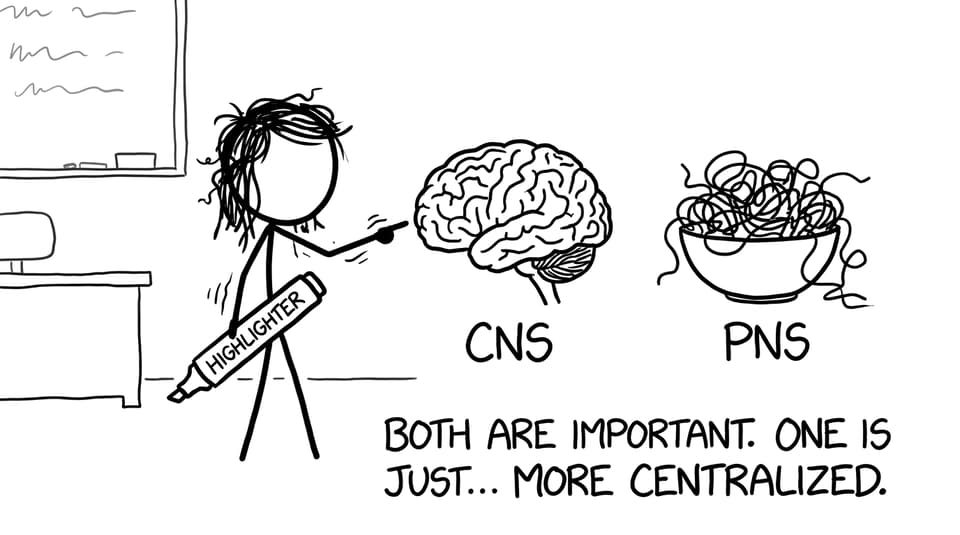
Central vs Peripheral Nervous System (IB SEHS quick view)
Here is the clean checklist you can memorise for IB SEHS:
-
Central nervous system (CNS) = brain + spinal cord (control centre)
-
Peripheral nervous system (PNS) = all nerves outside CNS (communication lines)
-
Motor (efferent) pathway: CNS -> muscles (movement command)
-
Sensory (afferent) pathway: receptors -> CNS (feedback for adjustment)
If you want this organised by the syllabus, use the A.1 Communication hub: A.1 Communication (SEHS).
The central nervous system (CNS) in IB SEHS
In IB SEHS, the CNS is your decision-maker. It receives information (from senses and proprioceptors), interprets it, and selects a response.
When an athlete changes direction to avoid a tackle, the brain is not just shouting “move” -- it is choosing which muscles to recruit, when to recruit them, and how much force is needed. The spinal cord then acts like a high-speed route for signals heading toward the body.