


Can IB Students Apply to Indian Universities? A Comprehensive Guide
The first time most IB students look at an Indian university application page, it feels oddly familiar: boxes, deadlines, and a quiet insistence that you should already know what you’re doing.
But there’s one extra layer that can make it feel heavier than applying elsewhere: the question of recognition. Does your IB Diploma “count” in India? Will you need an equivalency certificate? Are entrance exams unavoidable?
Yes, IB students can apply to Indian universities. The path is real, common, and increasingly well-defined. The trick is to treat it like any other IB challenge: break it into parts, understand the rules, and practice the skills that actually get rewarded.
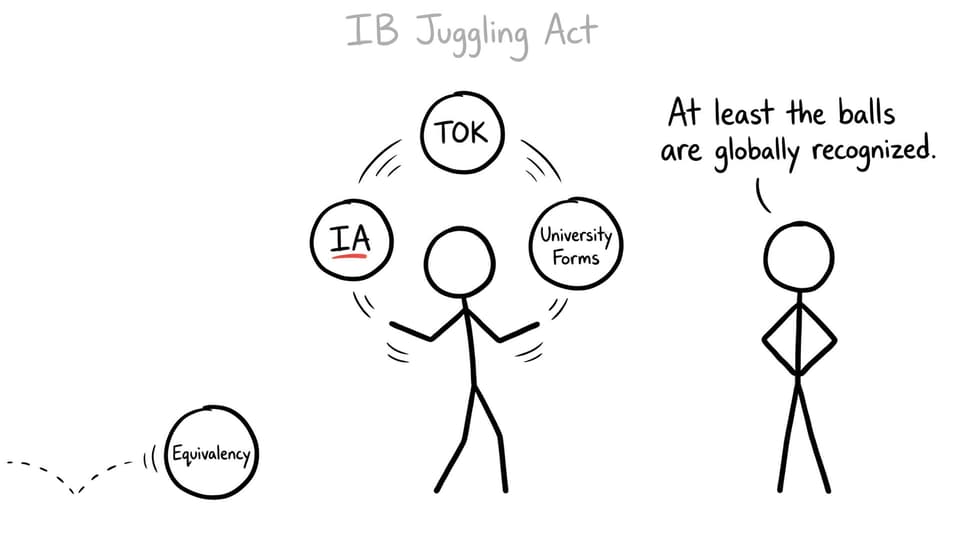
Quick checklist for IB students applying to Indian universities
Use this as your calm starting point. Most IB applicants in India will need some version of the list below.
-
Confirm the university officially accepts IB credentials for your program
-
Check whether an equivalency certificate is required (and from whom)
-
Map your IB subject choices (SL/HL) to course prerequisites
-
Identify whether you must sit an entrance exam (engineering, medicine, some competitive programs)
-
Prepare documents: predicted grades, final IB results, transcripts, IDs, and supporting materials
-
Build a timeline that protects your IB exam preparation window
If you want a single workspace while you do this, RevisionDojo’s RevisionDojo for IB hub is designed to keep your revision tools and planning in one place.
Do Indian universities recognize the IB Diploma?
In practice, many do.
Indian universities have become more comfortable with IB because the Diploma Programme signals two things admissions teams care about: academic rigor and independent writing/research. Your Extended Essay, IAs, and the way TOK teaches you to argue with evidence are not “extras” in this context. They’re proof that you can handle university-style thinking.
Still, recognition is not perfectly uniform. India’s higher education landscape is a mix of central universities, state universities, institutes, and private universities, each with its own admissions ecosystem. That’s why your first task is always to confirm policy for your specific course and campus.
A helpful mindset: treat “IB accepted” and “IB accepted for my course” as two different questions.
The application process for IB students in India
Research universities and match course requirements
Start with the course, not the brand name.
Many students lose time aiming broadly, then discovering late that a program expects specific subject combinations. If you’re an IB student targeting engineering, for example, the HLs you chose matter. If you’re aiming for economics, your math pathway and how you’ve handled quantitative work can matter just as much.
While you research, keep your study momentum steady. A lot of IB students do better when research happens in short, scheduled blocks, and revision stays sacred.
To keep revision efficient during this stage, build a tight loop:
-
Clarify content fast with Study Notes
-
Drill exam-style questions in the Questionbank
-
Lock in definitions with IB Flashcards with Spaced Repetition
That way, applications don’t quietly steal your IB score.
Understand whether you need an equivalency certificate
Some Indian universities ask for an equivalency certificate to map your IB results to an Indian framework. The most commonly referenced body for equivalency is the Association of Indian Universities (AIU). Requirements can vary by institution and program, so the key is to check what your target university actually asks for.
Two practical tips for IB students:
-
Don’t wait for final results to learn the rule. Check early so you’re not scrambling during exams.
-
Keep clean digital copies of transcripts and predicted grades. Administrative friction is real.
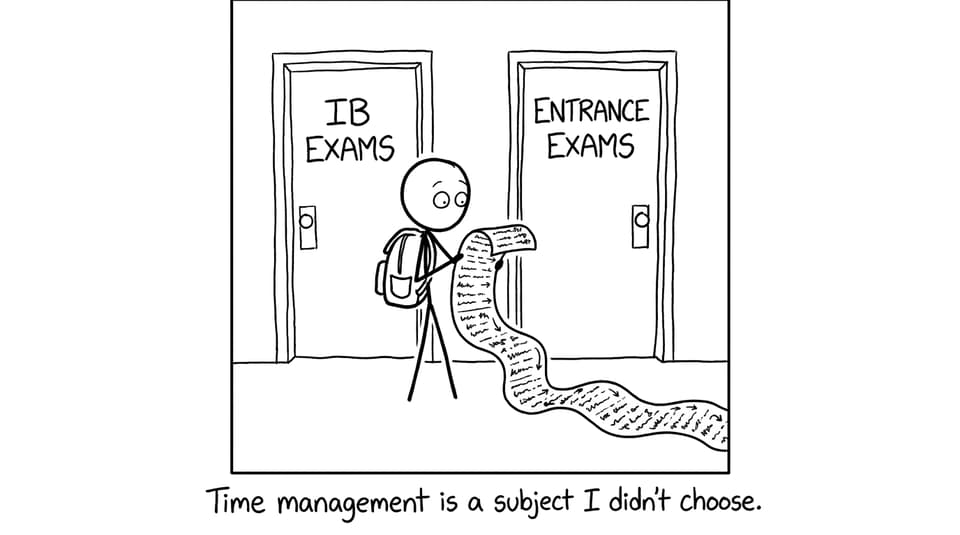
Plan for entrance exams alongside IB
For certain professional tracks in India (especially engineering and medicine), entrance exams can be part of the deal. This is where IB students often feel split in half: one part of your brain is writing an IA conclusion, the other is trying to remember an exam-specific formula.
It’s doable, but only with structure.
A strong approach is to separate the skills:
-
Use IB study time to master concepts and IB-style writing
-
Use focused blocks for entrance exam patterns and speed
-
Protect sleep in the final stretch (it sounds obvious, and that’s why it gets ignored)
RevisionDojo helps here because your IB practice can be high-volume without becoming random. The Comprehensive IB Question Bank guide explains how to use targeted practice sets to improve faster.
Submit applications without losing your mind
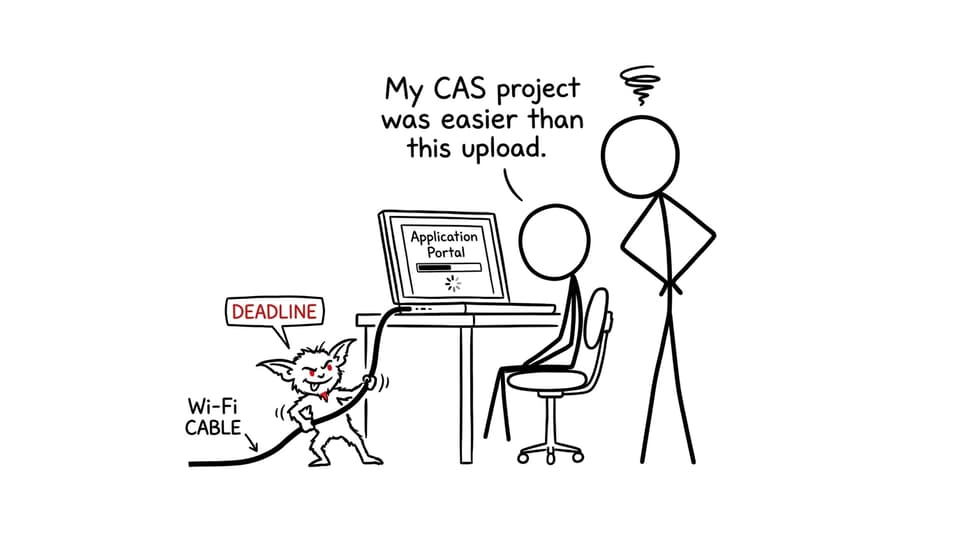
This is the stage where small mistakes become big headaches: missing uploads, unclear scans, mismatched names across documents, deadlines that quietly run on local time.
Use a simple “submission routine”:
-
Create one folder per university
-
Name files consistently (Passport, Transcript, Predicted Grades, Statement)
-
Submit 3-7 days earlier than the last date if possible
-
Screenshot confirmations and save them in the folder
If you’re also handling the EE or TOK essay at the same time, RevisionDojo’s IB Coursework Grader can reduce the mental load by giving criterion-based feedback quickly. Pair that with AI Chat for targeted fixes, and you spend less time guessing what “better” means.
What makes IB students competitive in India?
Indian universities don’t only evaluate you as a score. They’re also reading your habits.
Your IB academic profile tells a story
A high IB total matters, especially for competitive programs. But your subject pattern matters too: HL choices, consistency across groups, and whether your profile fits the course you claim to want.
When IB students underperform, it’s often not a lack of intelligence. It’s scattered effort.
A clean fix is to follow a predictable routine, like the one described in RevisionDojo App: The Smarter Way to Prep for IB Exams, and then add timed practice later using IB Predicted Papers.
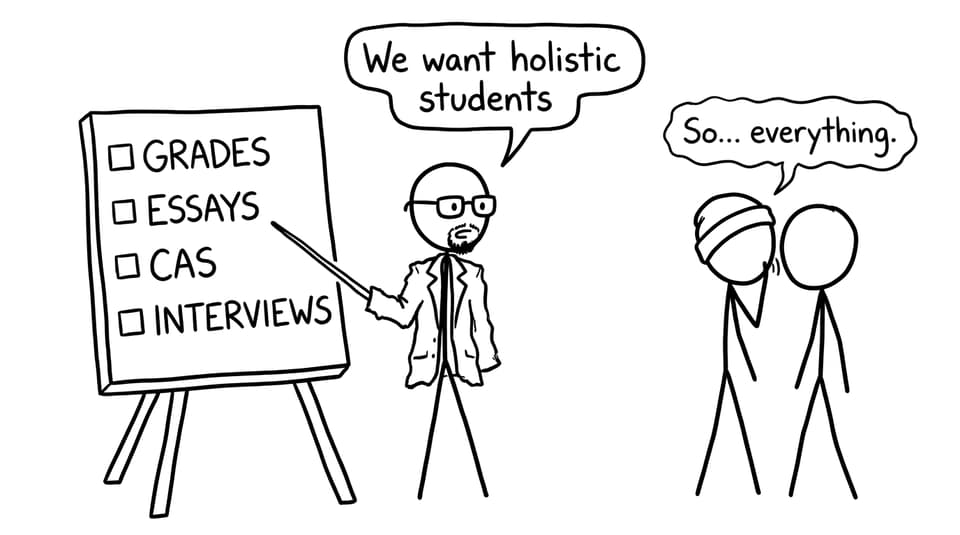
CAS can help, if you translate it well
CAS becomes valuable when you show reflection and impact. Don’t list activities like a menu. Explain what you built, what you learned, and how you handled constraints.
In other words: treat CAS like TOK. Make claims, support them, and show how you changed.
Your writing and research experience is a hidden advantage
IB trains you to write under constraints, defend ideas, and handle citations. That’s rare. Many students don’t realize how valuable that is until university.
If your written work feels shaky, use a feedback loop. RevisionDojo’s grading tools and AI Chat are designed to help you iterate faster, while the Coursework Library and Tutors (when you need a human strategist) help you calibrate what “top band” actually looks like.
Closing: your IB can travel, but your plan has to be local
IB students absolutely can apply to Indian universities. The IB Diploma is respected, and your skills transfer well. But India’s admissions details can be local, program-specific, and deadline-driven.
So make it simple: confirm recognition, check equivalency rules, plan for any entrance exams, and keep your IB preparation steady.
If you want a single place to study, practice, and stay calm while you apply, RevisionDojo brings it together: Questionbank, Study Notes, Flashcards, AI Chat, Grading tools, Predicted Papers, Mock Exams, Coursework Library, and Tutors. Use the platform like you use the IB itself: one focused step at a time, until the future stops feeling abstract and starts feeling earned.