
You’re halfway through your IA, the results finally make sense, and your fingers hover over the keyboard like they’re about to celebrate.
A tiny part of you wants to type: “This is a huge breakthrough! 🎉”
It feels honest. Human. Like the sentence is breathing.
But an IA is not a group chat. It’s closer to a contract with your examiner: you promise clarity, precision, and academic tone, and in return they can actually follow your thinking and reward it.
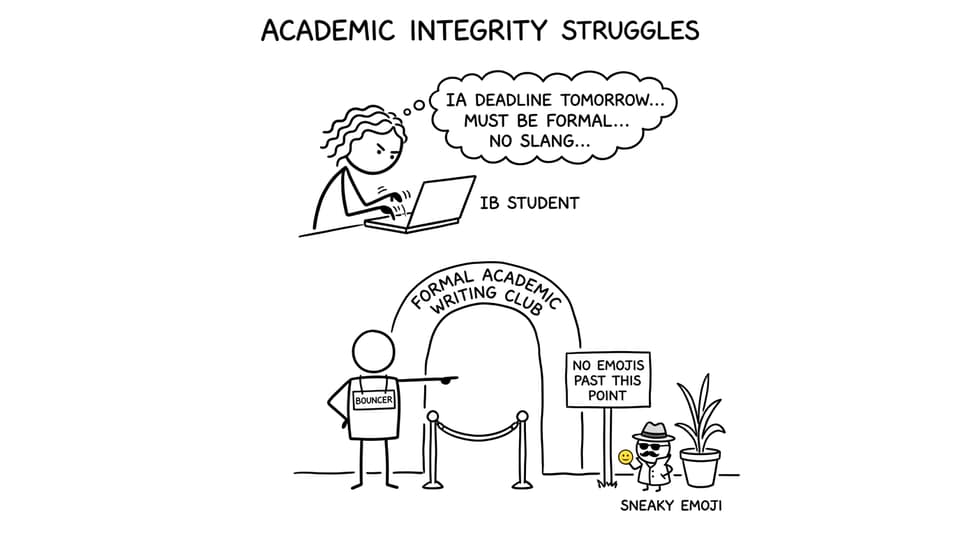
So, can you use emojis in your IA? In almost every case, you should avoid them.
Quick answer checklist: emojis in an IA
Before you drop any emoji into an IA draft, run this quick check:
-
Does your subject guide or teacher explicitly allow informal symbols? (Usually: no.)
-
Would the meaning be 100% identical without the emoji? If yes, it’s unnecessary.
-
Could the emoji be interpreted differently by different readers? If yes, it’s risky.
-
Are you trying to express excitement instead of analysis? If yes, rewrite the sentence.
-
Are there clearer tools available (word choice, data visuals, structure)? Always.
If you want a broader sense of what examiners tend to reward (clarity, flow, strong visuals), read How to Make Your IA More Engaging for Examiners.
Why emojis usually don’t belong in an IA
IA tone is judged even when it isn’t “marked”
Most marking criteria don’t say “no emojis.” That’s the tricky part. The issue is indirect: emojis make your IA feel casual, and casual writing often comes with casual thinking. Examiners may not penalize a single symbol explicitly, but they absolutely respond to tone, clarity, and professionalism.
A strong IA reads like someone carefully building an argument or investigation. Emojis signal the opposite: that the writing is performing emotion rather than presenting reasoning.
If you’re working on tightening your structure and communication, you may also find Tips for Writing a Clear and Concise IB Math IA useful (even if you’re not in Math, the writing principles transfer).
Emojis create ambiguity (and ambiguity costs marks)
An emoji is a shortcut. Academic writing is the long road. The problem is that emojis don’t have a single agreed meaning:
-
“😅” could mean relief, embarrassment, uncertainty, or sarcasm.
-
“🔥” could mean excellent results, unexpected results, or an experimental failure.
In an IA, you want one interpretation. The safest move is to replace emotional shorthand with precise explanation: what changed, by how much, why it matters, and what it suggests.
Formatting and academic conventions aren’t emoji-friendly
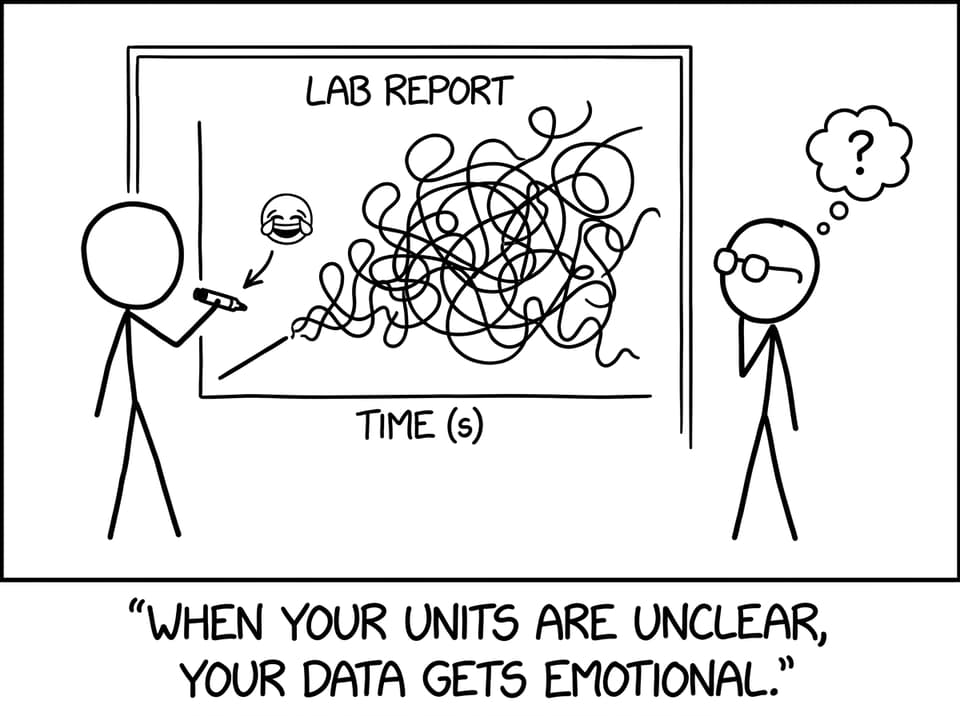
Even if your emoji “looks fine” in Google Docs, it may not render the same way when exported to PDF, opened on different devices, or viewed with different fonts. That’s a small detail, but IAs are full of small details that add up.
Academic conventions also matter because they create predictable reading: headings, labeled figures, consistent citations. Emojis sit outside most formal writing standards, which can make the page look less controlled.
For a bigger-picture overview of IA expectations across subjects, IB IA Guides: Structure, Rubrics & Examples is a solid starting point.
What to do instead: show tone with precision
Use “examiner-friendly enthusiasm”
You can absolutely sound engaged in an IA. You just do it with language that carries information.
Instead of:
- “The results were amazing! 🌟”
Try:
- “The results were remarkable, showing a consistent increase in enzyme activity as temperature approached the predicted optimum.”
Same excitement. More meaning.
Use visuals the right way
If you want the reader to feel the significance of a finding, make it visible:
-
clean graphs with labeled axes and units
-
tables that highlight trends
-
brief captions that guide interpretation
Then do the most important part: explain what the pattern suggests and what it does not prove. If you’re unsure whether you’re balancing description and analysis, How to Use Data Effectively in Your IA Analysis helps you keep your IA analytical.
Get feedback that focuses on criteria (not vibes)
A teacher might say “make it more formal.” That can be hard to act on.
RevisionDojo makes it concrete. You can draft your IA, then use the IB Coursework Grader to get rubric-aligned feedback on clarity, structure, and presentation. If you’re hunting for models of what “professional but still readable” looks like, browse IB Coursework Exemplars and compare your tone section-by-section.
A simple IA editing rule: replace every emoji with a sentence that earns marks
When you feel tempted to add an emoji, pause and ask: “What am I trying to communicate?”
Then write one sentence that does one of these jobs:
-
interprets a trend
-
connects to your research question
-
evaluates a limitation
-
justifies a method choice
-
explains an anomaly
That sentence will strengthen your IA. An emoji won’t.
If you’re still in the early stages, How to Write a Strong IA Research Question can prevent the most common reason students reach for casual fillers: not knowing what the IA is trying to prove.
Final takeaway: keep your IA human, not casual
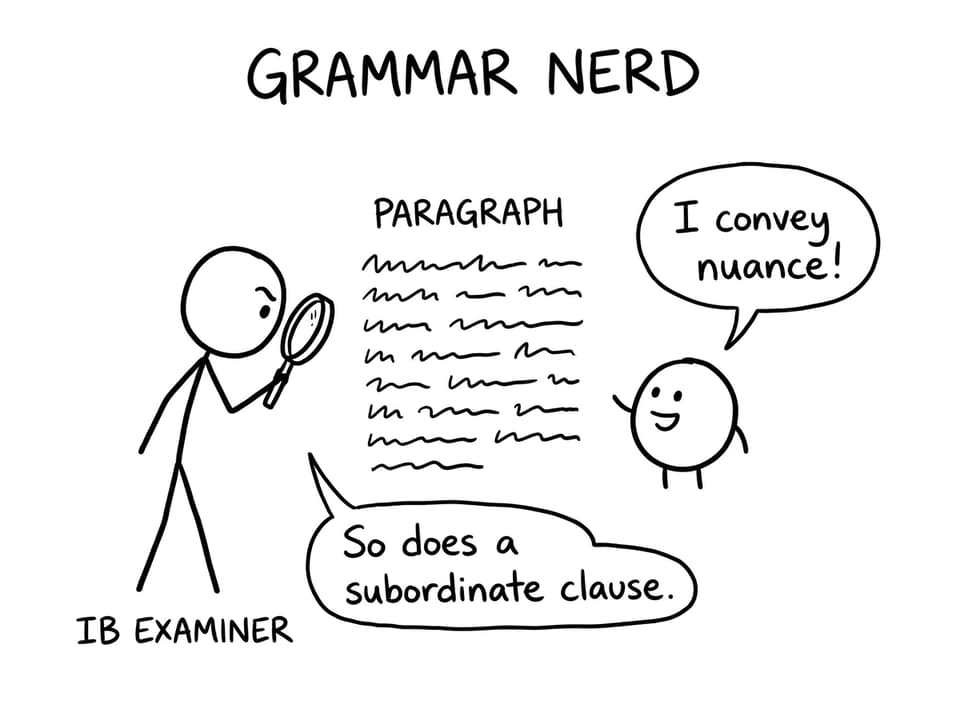
Your IA should sound like you at your most careful: curious, skeptical, and precise. Emojis are great for motivation while you write, but they rarely belong in what you submit.
If you want your IA to feel confident without feeling stiff, build it the same way you revise for exams: drill what’s weak, get feedback fast, and improve deliberately. RevisionDojo brings that workflow together with a Questionbank for targeted practice, Study Notes and Flashcards for clean explanations, AI Chat for quick writing fixes, Grading tools for criterion-based feedback, and a Coursework Library full of exemplars to calibrate your tone.
Write the sentence that earns marks. Let the emoji live in your notes, not your IA.