



Product development never announces itself with fireworks. It usually shows up as a quiet moment of panic: a customer stops buying, a competitor launches something cleaner and faster, or a trend you ignored becomes the new normal.
In IB Business Management, that moment is the whole story. Product development is how businesses keep earning attention in markets that forget quickly. It links directly to competitiveness, growth, brand value, and risk management, and it’s one of the easiest areas to turn into clear, evaluative exam points.
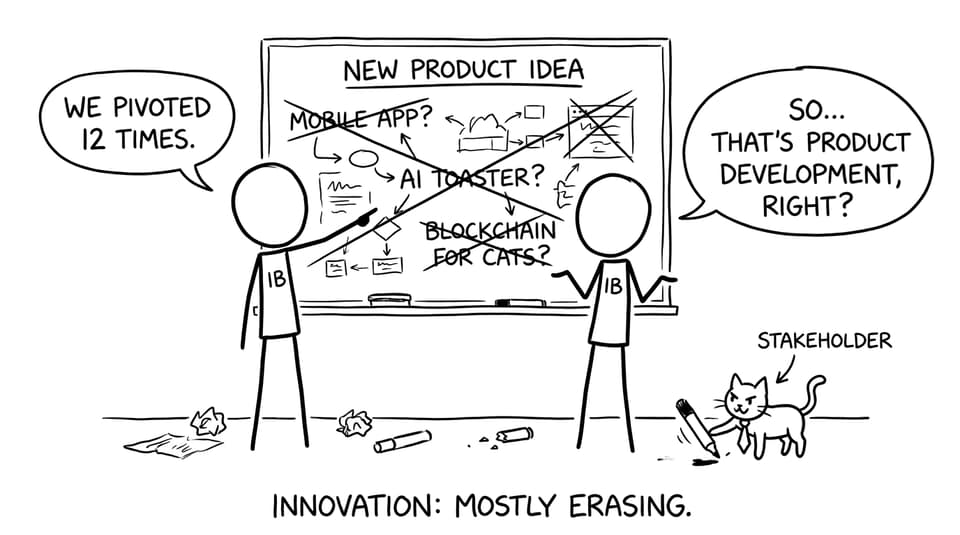
What product development means in IB Business Management
Product development is the process of creating new products or improving existing ones to better meet customer needs. In IB Business Management, you can connect it to:
-
Changing customer needs and market trends
-
Differentiation and competitive advantage
-
Revenue growth and market expansion
-
Branding and customer loyalty
-
Technology shifts and innovation
-
Risk reduction through a wider product portfolio
For syllabus-aligned support, start with the IB Business Management hub and keep key terms sharp using IB Business Management Key Definitions.
Why product development helps businesses stay competitive
Competitiveness is rarely about one brilliant idea. It’s about staying relevant for longer than your rivals.
Meeting customer needs (before they become complaints)
Customers don’t always write feedback emails. They just leave. Product development helps a business respond to new preferences (health, sustainability, convenience, status) and keep value high. In exam terms, that’s a strong chain: changing needs → product improvement → higher satisfaction → repeat purchase → stronger revenue.
Creating differentiation in crowded markets
When products look similar, price becomes the main weapon. That’s a rough place to live. Product development can add features, quality, design, or ethical improvements that justify a premium price and protect market share.
If you’re revising tools for competitive strategy, RevisionDojo’s BM Toolkit overview helps you connect product decisions to frameworks you can apply in Paper responses.
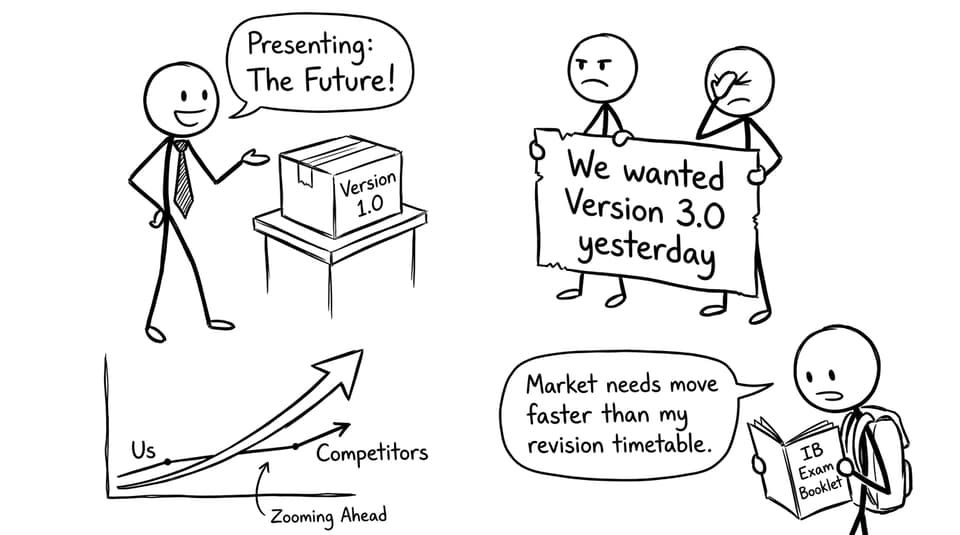
Increasing revenue and opening new segments
New or improved products can:
-
Unlock new market segments
-
Encourage repeat purchases
-
Support extensions (add-ons, accessories, premium versions)
In IB Business Management, evaluative marks often come from recognizing trade-offs: development can raise costs and risk in the short run, but it can also protect long-term cash flows.
Strengthening brand reputation
Brands that improve feel “alive.” Customers begin to expect progress. When product development is consistent, the brand earns trust, and marketing becomes easier because the product itself carries the story.
Keeping up with technology (and avoiding obsolescence)
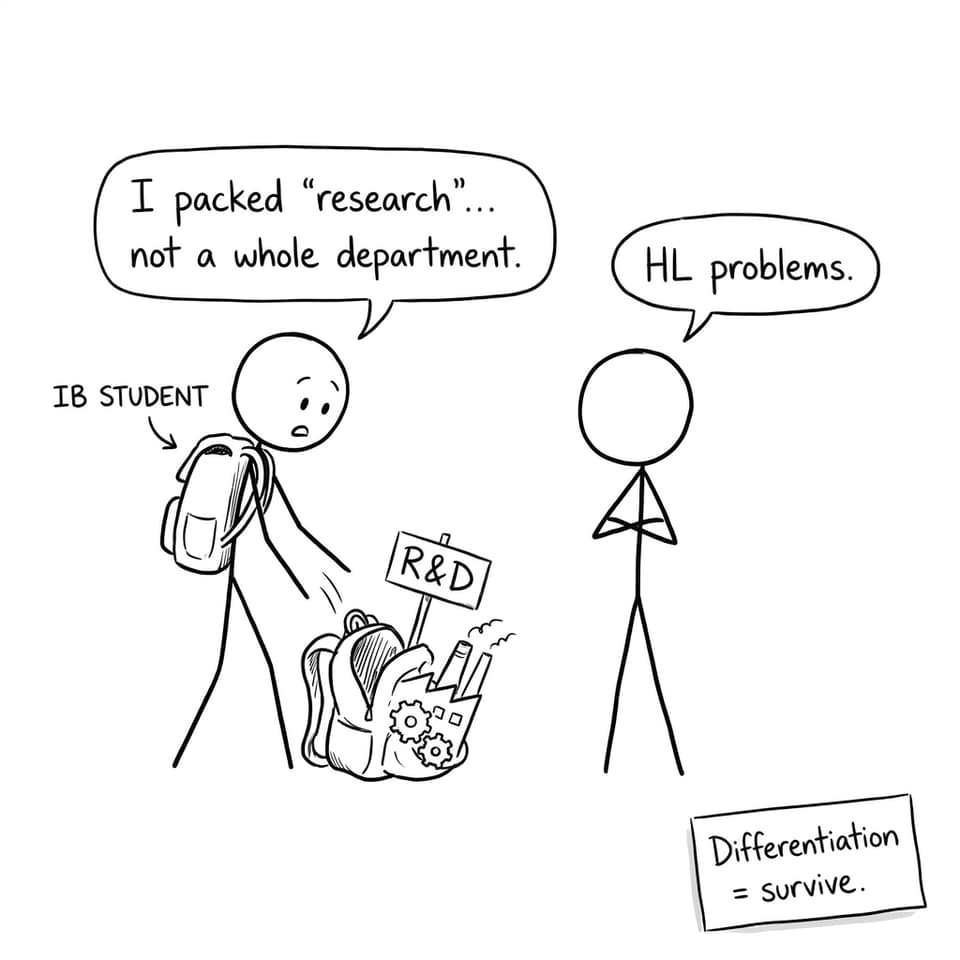
Technology moves whether a business approves or not. Product development helps businesses update what they offer so it still fits modern expectations. This connects tightly to R&D.
For HL-specific clarity, use Importance of R&D (5.8.1) Notes and reinforce exam practice with 5.8 R&D Questionbank.
Reducing risk through variety
A business with one product is one trend away from trouble. Product development can diversify the product portfolio, spreading risk and stabilizing revenue.
To practise product-focused case questions, try 4.5.1 Product Questionbank.
Quick exam checklist: turning product development into top-mark evaluation
-
Define product development clearly (new OR improved products).
-
Explain the benefit (competitiveness, revenue, loyalty, risk reduction).
-
Add a limitation (cost, time, failure risk, cannibalization).
-
Conclude with context: industry speed, customer expectations, resources.
For structured revision, RevisionDojo supports the full loop: Study Notes, Flashcards, Questionbank, AI Chat, Grading tools, Predicted Papers, Mock Exams, Coursework Library, and Tutors.
Conclusion: make product development your competitive story
Product development is important because it keeps a business relevant, differentiated, and resilient. It meets changing customer needs, supports competitive advantage, strengthens brands, adapts to technology, grows revenue, and reduces risk, all core themes in IB Business Management.
If you want to turn these ideas into exam-ready responses, build your routine on RevisionDojo: start with the IB Business Management hub, drill with the Questionbank, lock in definitions, and use AI Chat plus Grading tools to sharpen evaluation under time pressure.


