


A quick story: the “profitable” business that still can’t pay rent
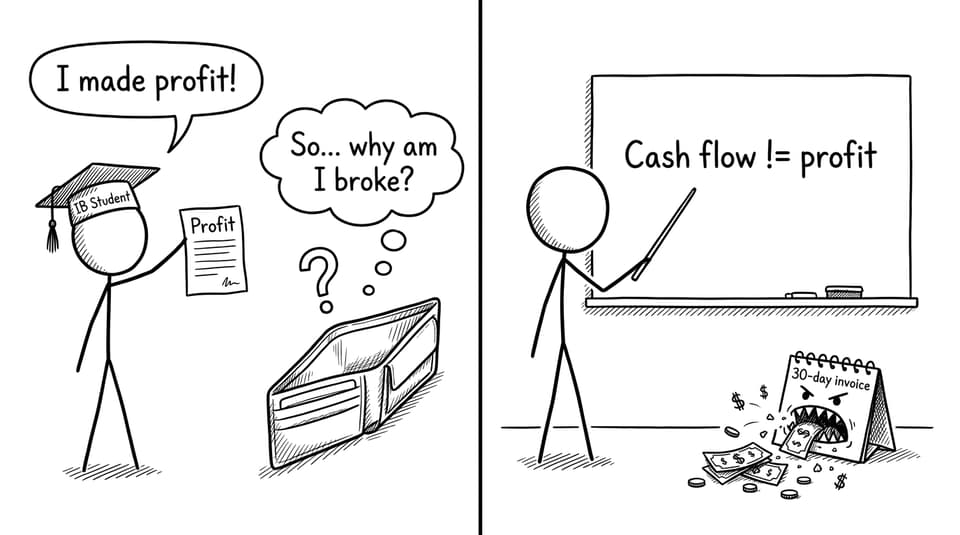
In IB Business Management, cash flow is the concept that quietly decides whether a business lives another month. Picture a café that’s “doing well” on paper: sales are rising, profit looks healthy, and the owner is optimistic. Then rent is due, wages hit on Friday, a supplier invoice lands Monday, and the bank balance says: no. That gap between good news and empty cash is the point.
Cash flow is the movement of money into and out of a business over time. And for IB Business Management exams, it’s one of the cleanest ways to show you understand what “survival” means in real operations: liquidity, timing, and the boring (but decisive) discipline of planning.
What is cash flow? (Your exam-ready definition)
Cash flow refers to the inflows (cash received) and outflows (cash paid) of a business during a period of time. In IB Business Management, you’ll often connect this to:
-
Liquidity: can the business pay short-term bills on time?
-
Working capital: current assets minus current liabilities
-
Cash flow forecasts: predicted inflows/outflows to avoid cash shortages
For syllabus-aligned detail, see RevisionDojo’s IB Business Management 3.7 Cash Flow hub and the 3.7 Cash flow revision notes.
Why cash flow is essential for business survival
Cash flow keeps day-to-day operations alive
A business doesn’t pay expenses with “future sales” or “paper profit.” It pays with cash, right now. In IB Business Management, this is where you explain timing problems: customers buy on credit, but suppliers want payment, wages must be paid, and utilities don’t wait.
To sharpen this point, RevisionDojo’s difference between profit and cash flow notes are a quick win for definitions and application.
Cash flow is your buffer for shocks
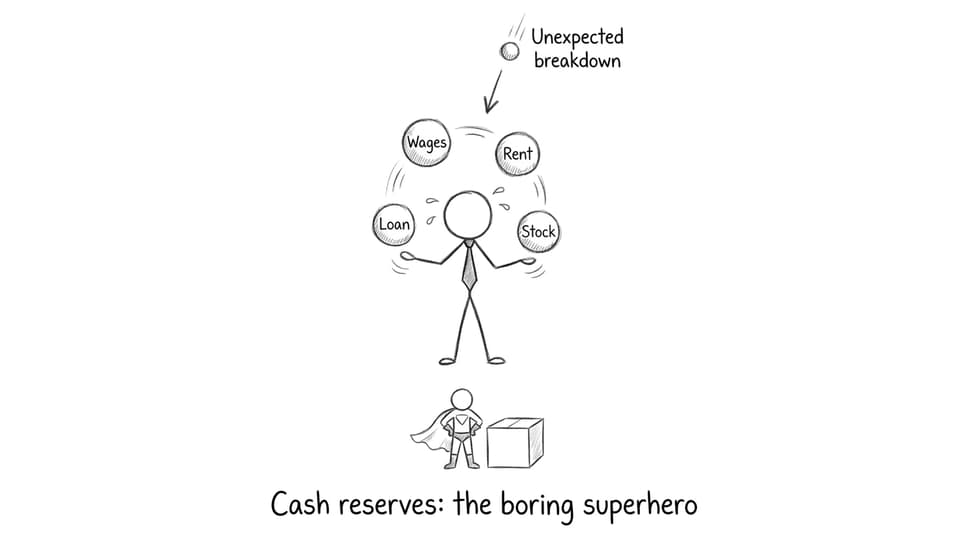
A machine breaks. A key customer pays late. Costs rise unexpectedly. Businesses with healthy cash reserves can absorb the hit without panicking. Those without cash often default on payments, damage trust, or pause operations at the worst moment.
Cash flow improves decision-making (and prevents “confidence mistakes”)
A common IB Business Management trap is assuming growth automatically helps. Growth often consumes cash first: more stock, more staff, more marketing, bigger premises. Managers use a cash flow forecast to decide what’s affordable and when.
If you want a focused forecast refresher, use the cash flow forecasts notes.
Cash flow protects supplier relationships
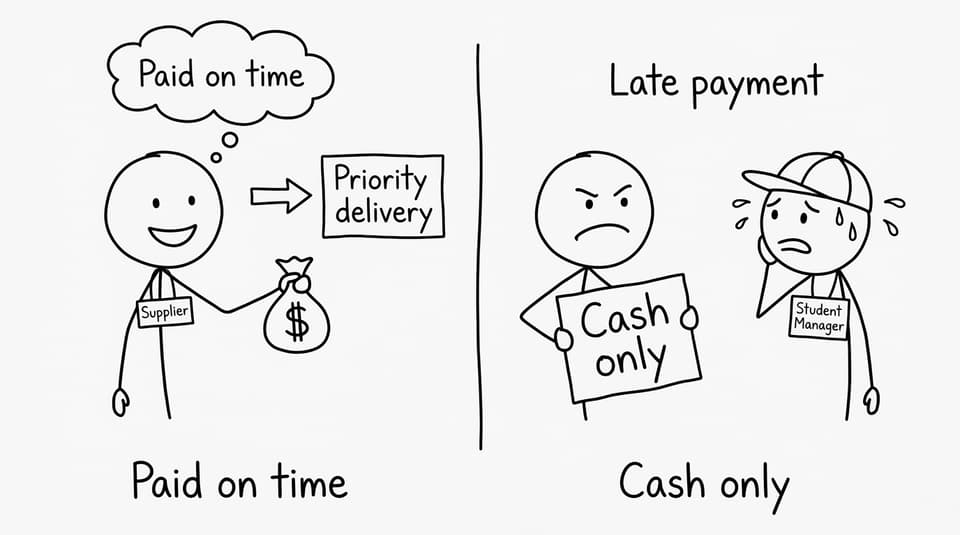
Paying suppliers on time builds trust and can lead to better terms, priority delivery, or flexibility during tough months. Poor cash flow does the opposite: stricter credit terms, disrupted supply, and reputational damage.
Cash flow reduces reliance on debt
When cash is tight, businesses lean on overdrafts and short-term loans. That can solve a temporary gap, but it adds interest costs and risk. In IB Business Management, a strong answer often mentions that stable cash flow lowers financial risk and makes funding cheaper.
For related concepts, RevisionDojo’s working capital notes connect liquidity to short-term survival.
Mini checklist: what to mention in an IB answer
-
Define cash flow clearly (inflows/outflows over time)
-
Contrast with profit (timing vs performance)
-
Link to liquidity and working capital
-
Explain real impacts: wages, rent, suppliers, emergencies, growth
-
Mention cash flow forecasting as a solution
To practice exam-style application, use the 3.7 Cash Flow Questionbank and the wider IB Business Management Questionbank.
Final thought: cash flow is the business’s oxygen
In IB Business Management, cash flow is essential because it decides whether a business can keep operating between good ideas and real payments. If you revise it like a story of timing, trust, and survival, your answers get sharper fast.
If you want to turn this topic into marks, RevisionDojo is built for it: use the Questionbank for exam-style practice, Study Notes and Flashcards for fast recall, AI Chat for tricky definitions, and Grading tools to tighten your structure. Start with the 3.7 Cash Flow hub and test yourself until cash flow feels automatic.


