
Global power used to feel simple: ships, soldiers, and borders on a map. But if you have ever watched a small app crash a stock market, or seen a sanctions headline move energy prices overnight, you already know the 21st century is messier. In IB Geography, that mess is the point. Power is no longer just what a state owns; it is what it can connect to, control, and convince others of.
This matters for exams because Paper questions rarely ask you to list factors. They ask you to analyse, evaluate, and weigh how power changes across time and space. The trick is building an answer that sounds like the world: layered, networked, and dynamic.
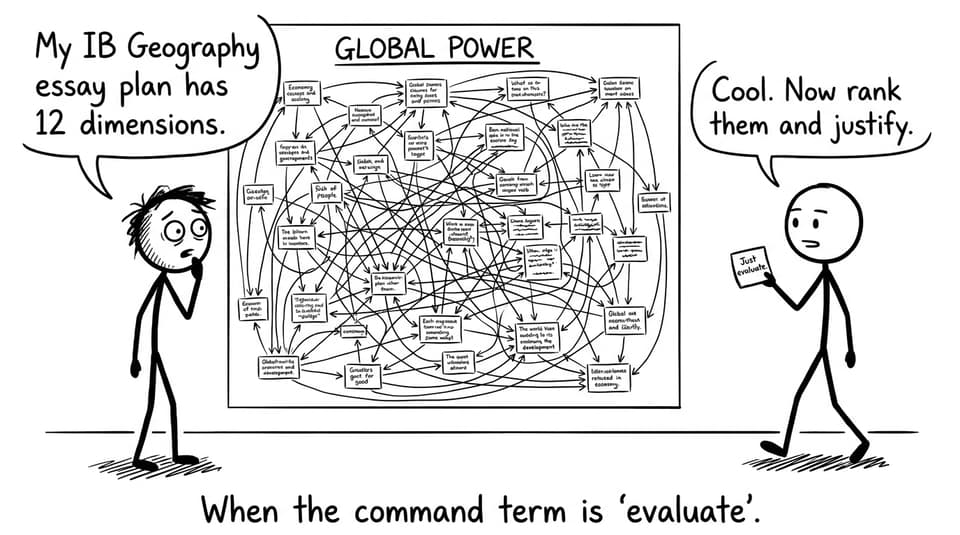
A quick IB Geography checklist for “global power” answers
Use this when planning essays in IB Geography:
-
Define global power as influence beyond borders (systems, decisions, events)
-
Use 3-5 dimensions (not 10) and link them to flows and networks
-
Add 1-2 mini case references (TNCs, MGOs, tech firms, currency influence)
-
Include one evaluation line: who benefits, who loses, and under what conditions
For the full syllabus framing, anchor yourself in IB Geography Resources and the Power, Places and Networks hub.
Economic influence: power through trade, finance, and supply chains
In IB Geography, economic power is less about being “rich” and more about shaping global flows. States with large, diversified economies can set standards, attract investment, and pressure others through trade access. Currency strength, control of strategic resources, and deep financial markets can turn ordinary policy decisions into global tremors.
To revise this cleanly, pair concept notes with practice questions so you can move from description to judgement: try Power, Places and Networks Notes and then apply them in the Power, Places and Networks Questionbank.
Political power: influence through rules, alliances, and governance
Political power shows up when countries shape the rules of the game: trade agreements, climate negotiations, security frameworks, and the agendas of international organisations. In exam terms, you can treat this as global governance plus diplomacy. Political stability matters too, because reliable states can sustain alliances and long-term strategies.
If you are unsure how to write the evaluation, build it from command terms and structure. RevisionDojo’s Lessons for Power, Places and Networks help you translate “political influence” into exam-ready paragraphs.
Military capability: still relevant, rarely sufficient
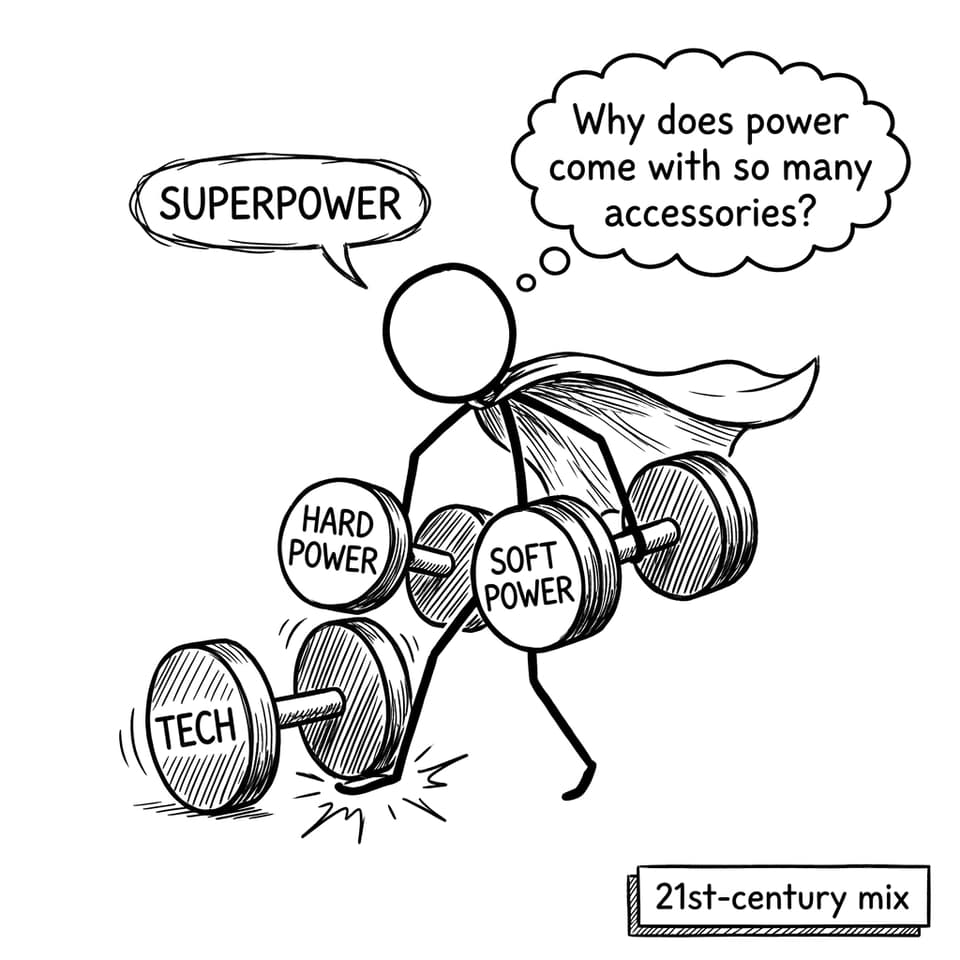
Military power still matters: deterrence, security guarantees, and force projection can protect trade routes and alliances. But in the 21st century, it is often insufficient alone. Conflicts can be asymmetric, reputational costs can be high, and economic interdependence can punish even the “winner.”
In IB Geography, a high-scoring move is to compare hard power with softer tools and show how they interact. For exam-style prompts on that exact debate, use the Global Interactions and Global Power Questionbank.
Soft power: influence through culture, education, and media
Soft power is persuasion at scale: the ability to make your values, lifestyle, language, and institutions feel desirable. Think global media, universities, cultural exports, and diplomacy that builds trust rather than fear. In IB Geography, soft power often explains why some states lead coalitions even without dominating militarily.
A helpful way to connect this to the course is to link power to place. Hub cities, for instance, concentrate cultural and economic influence. See Why Do Some Places Become Global Hubs? to strengthen those links.
Technological leadership: power through data, innovation, and infrastructure
Technological leadership increasingly defines global power: research capacity, advanced manufacturing, digital infrastructure, and control over data flows. Tech shapes both competitiveness and security, because networks (not just territory) are strategic assets.
For revision strategy, combine retrieval and application: use IB Geography Flashcards to lock in definitions (soft power, TNCs, networks, flows), then test yourself under pressure with RevisionDojo’s Questionbank and mock-building tools.
Why global power is dynamic (and how to write that in IB Geography)
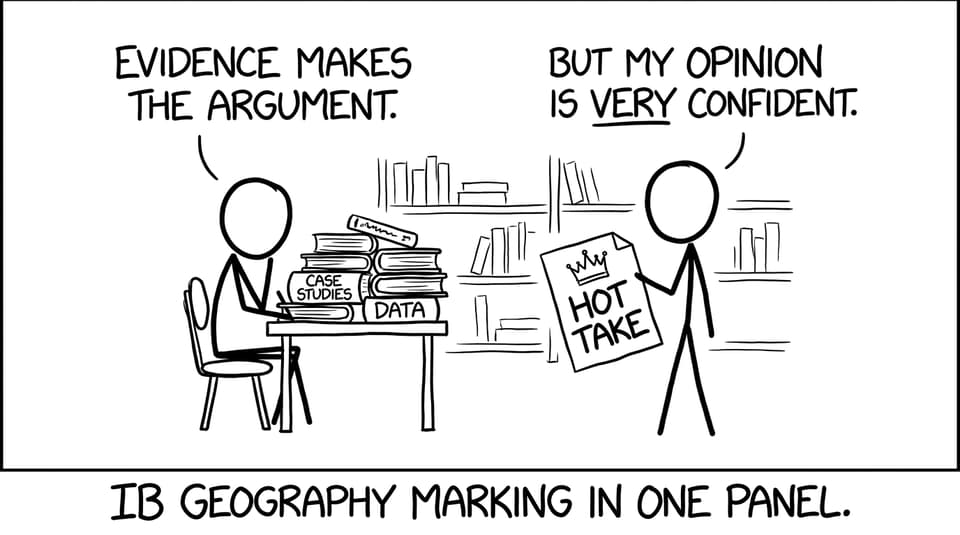
The most exam-ready insight in IB Geography is that global power shifts. It rises with growth, innovation, and stability, and it weakens with stagnation, conflict, demographic strain, or loss of legitimacy. Emerging economies can gain influence quickly, while established powers can experience relative decline.
To revise the “dynamic” part of the course, keep your notes consistent across topics. The IB Geography Case Studies exam guide is a fast way to build evidence you can actually remember.
Conclusion: make global power feel like a network, not a checklist
If you remember one thing for IB Geography, let it be this: global power is the ability to steer the world’s connections: money, rules, security, stories, and technology. Write your answers like the 21st century actually works: overlapping systems, competing interests, and shifting influence.
When you are ready to practise, RevisionDojo brings it together in one place: syllabus-aligned notes, Flashcards for fast recall, a tough Questionbank with feedback, AI Chat for clarification, grading tools for essay improvement, Predicted Papers and Mock Exams for timed practice, plus a Coursework Library and Tutors when you need extra support. Start with IB Geography Resources and make global power a topic you can evaluate, not just describe.