
Ageing populations rarely feel dramatic. They arrive quietly: a bus route adds priority seating, a town builds another clinic, and one day the “normal” population pyramid no longer looks normal.
In IB Geography, that quiet shift is a big deal because it changes services, budgets, labour markets, and family life. If you can explain those links clearly (and evaluate responses), you move from “describing” to scoring top marks.
Quick IB Geography checklist (what examiners want)
Use this mini-plan for any IB Geography short response or essay on ageing populations:
-
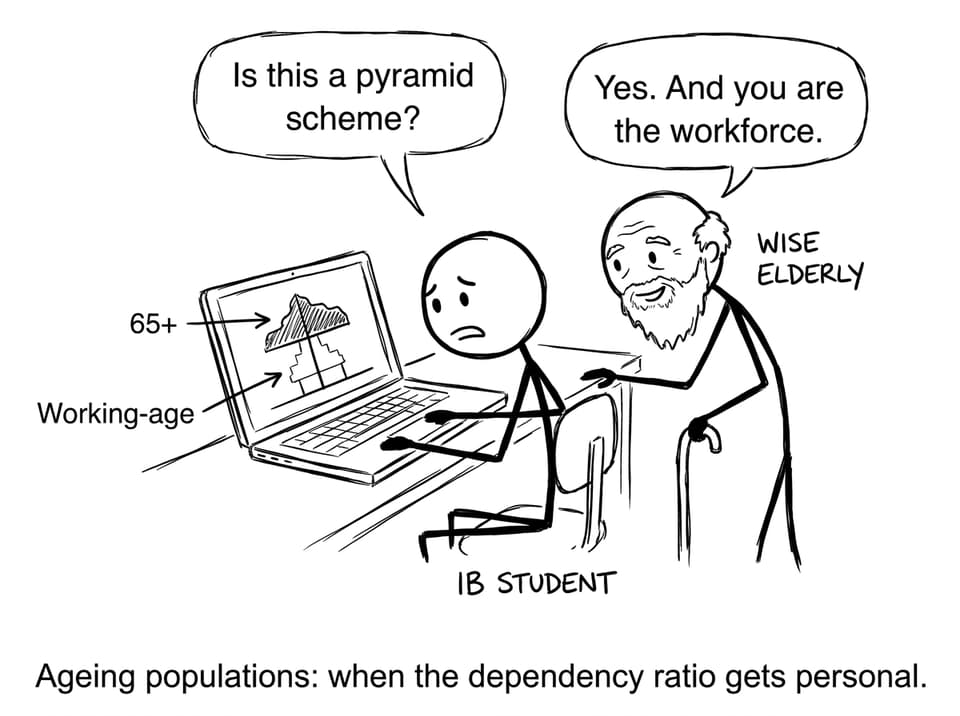
Define ageing population (rising share aged 65+) and mention dependency ratio
-
Split impacts into social and economic
-
Add policy responses (migration, retirement age, automation, healthcare reform)
-
Evaluate: winners/losers, short vs long term, HIC vs MIC differences
For syllabus-aligned practice, start at IB Geography: Changing Population and then drill questions in the Changing Population Questionbank.
Social impacts of ageing populations (services + society)
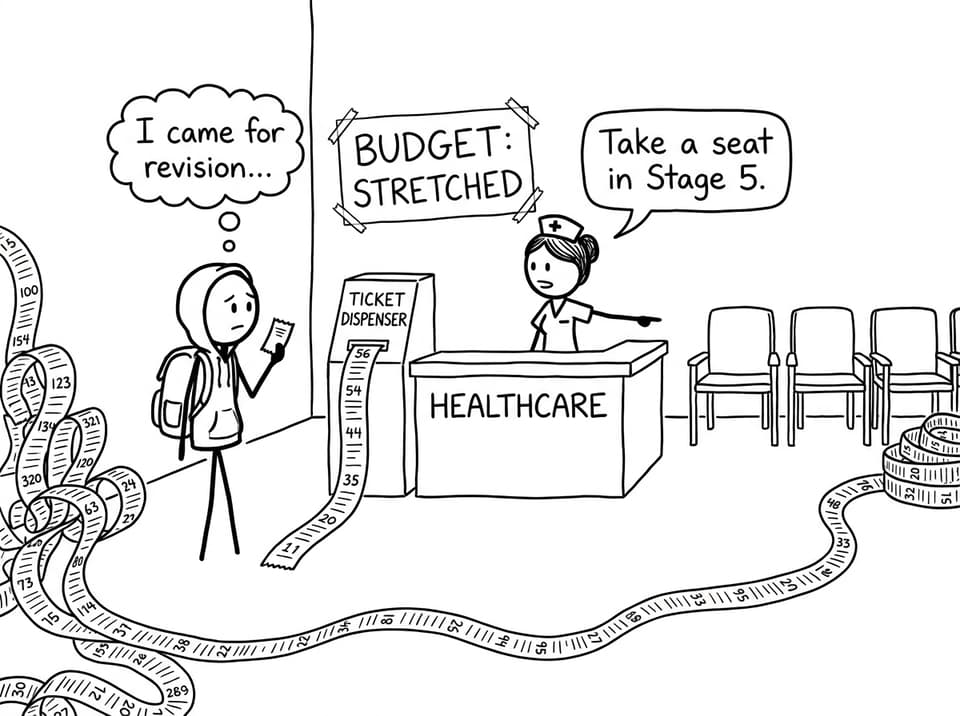
The most visible social impact is pressure on healthcare and social care. Older people, on average, need more frequent treatment, long-term care, and specialist services. That pushes governments to expand hospitals, train more staff, and fund community care. In IB Geography, you can link this to opportunity cost: more spending on care can mean harder choices for education, housing, or transport.
A second social impact is changing family structure. With lower fertility and longer life expectancy, families often become smaller and more dispersed. In some places, older people live alone more frequently, increasing risks of isolation and mental health challenges. This is a strong evaluation point in IB Geography: the same demographic trend can produce very different outcomes depending on welfare systems, culture, and local community networks.
To strengthen your demographic foundations, review Demographic Transition and Population Change and the linked revision notes for DTM.
Economic impacts of ageing populations (pensions + growth)
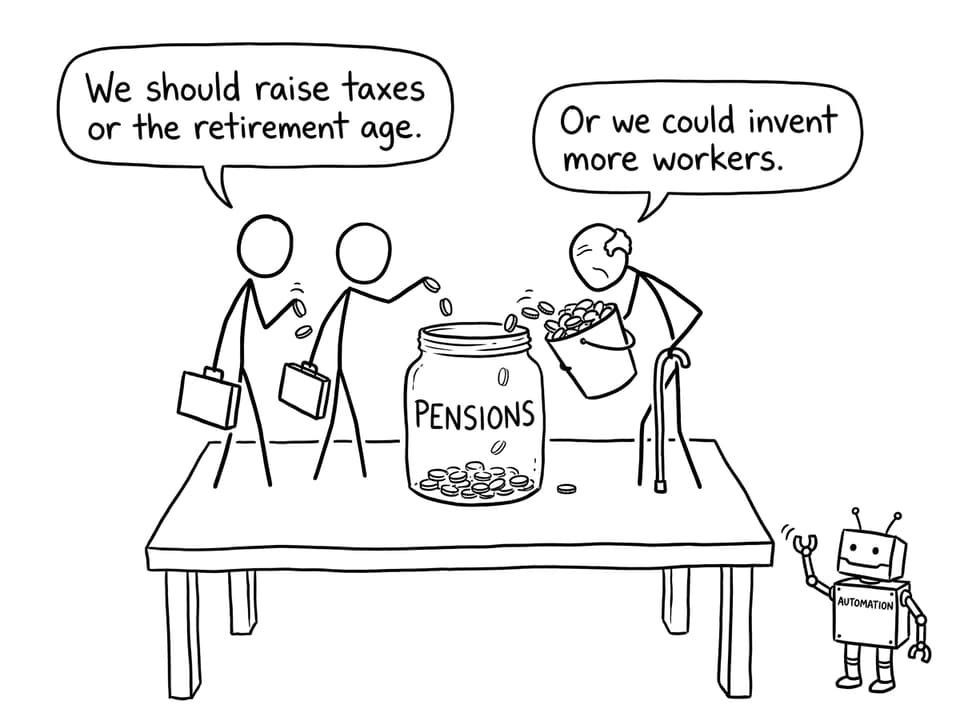
Economically, ageing populations put stress on pension systems. In many countries, pensions rely on current workers’ taxes funding current retirees. As the working-age group shrinks relative to retirees, the system becomes harder to sustain. Typical responses include raising taxes, increasing the retirement age, or adjusting pension benefits. In IB Geography, this is a perfect place to use the term dependency ratio and explain why it matters.
Ageing can also slow economic growth by reducing labour supply. Labour shortages can limit output, and productivity growth may weaken if fewer workers support innovation and expansion. Governments and firms may respond by encouraging immigration, increasing female participation in the workforce, or investing in automation.
A useful extension point: ageing can still create opportunity. The “silver economy” (health tech, accessible housing, leisure, care services) can expand, generating jobs and new markets. Balanced answers in IB Geography mention both costs and opportunities, then judge which is bigger in a named context.
For wider context on population challenges, compare with IB Geography: Why Some Countries Face Population Decline and policy levers in IB Geography: How Governments Manage Population Growth Effectively.
How to turn this into exam marks (structure that scores)
In IB Geography, the content is only half the work. The other half is how you organise it under pressure.
A high-scoring structure looks like this:
-
Point: Ageing increases healthcare demand.
-
Evidence/Explanation: Greater chronic disease prevalence, long-term care needs, specialist services.
-
Implication: Higher public spending, budget trade-offs.
-
Evaluation: Impacts vary by welfare capacity; some countries offset costs with preventative care and community support.
To practise writing in exam style, use RevisionDojo’s IB Geography resources hub alongside the Questionbank, Flashcards, and AI Chat. If you want feedback on paragraph structure, the Grading tools and Essay Marker help you see where evaluation is missing. And when you want to simulate the real thing, use IB Predicted Papers to rehearse timing and decision-making.
Conclusion: make IB Geography feel real (then make it exam-ready)
Ageing populations are not just a diagram in IB Geography. They’re a slow reshaping of budgets, workforces, and the everyday texture of family life. If you revise this topic with a clear social vs economic structure, add the dependency ratio, and evaluate policy responses, you’ll write answers that feel calm, balanced, and high-scoring.
When you’re ready to practise, RevisionDojo is built for the full loop: Study Notes to learn, Flashcards to retain, Questionbank to apply, AI Chat to clarify, Grading tools to improve, and Predicted Papers plus Mock Exams to perform under time pressure.