
Rising temperatures don’t announce themselves with a single dramatic event. They show up quietly first: a glacier that retreats a little farther than last year, a coral reef that pales, a heatwave that lasts one day longer. In IB Geography, that slow accumulation is the point. The environmental impacts of rising global temperatures are rarely isolated. They cascade through systems, turning small changes into big consequences.
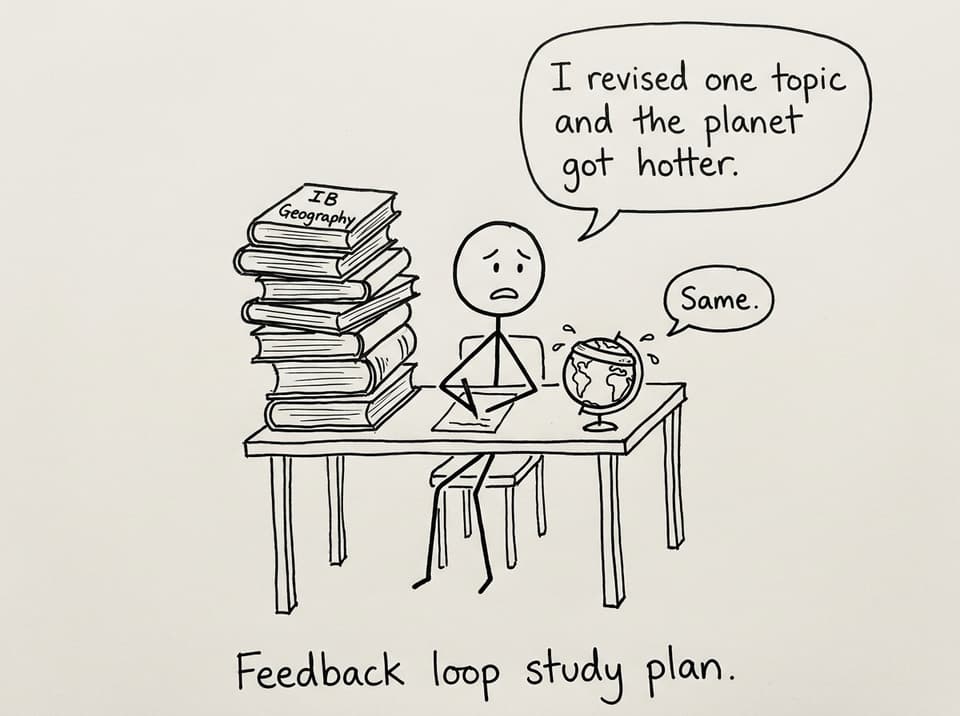
Quick exam checklist for IB Geography
Use this as a fast structure for 6-10 mark answers in IB Geography:
-
Name the process (warming, ice melt, thermal expansion, ecosystem shift).
-
Explain the mechanism (how temperature change produces the impact).
-
Add a second impact (knock-on effects).
-
Scale it (local, regional, global).
-
Finish with evaluation (uneven vulnerability, adaptive capacity, limits).
If you want the syllabus-aligned framing for this topic, start with IB Geography 2.2 Consequences of Global Climate Change and then drill the same ideas using the 2.2 Questionbank.
Sea level rise: melting ice plus thermal expansion
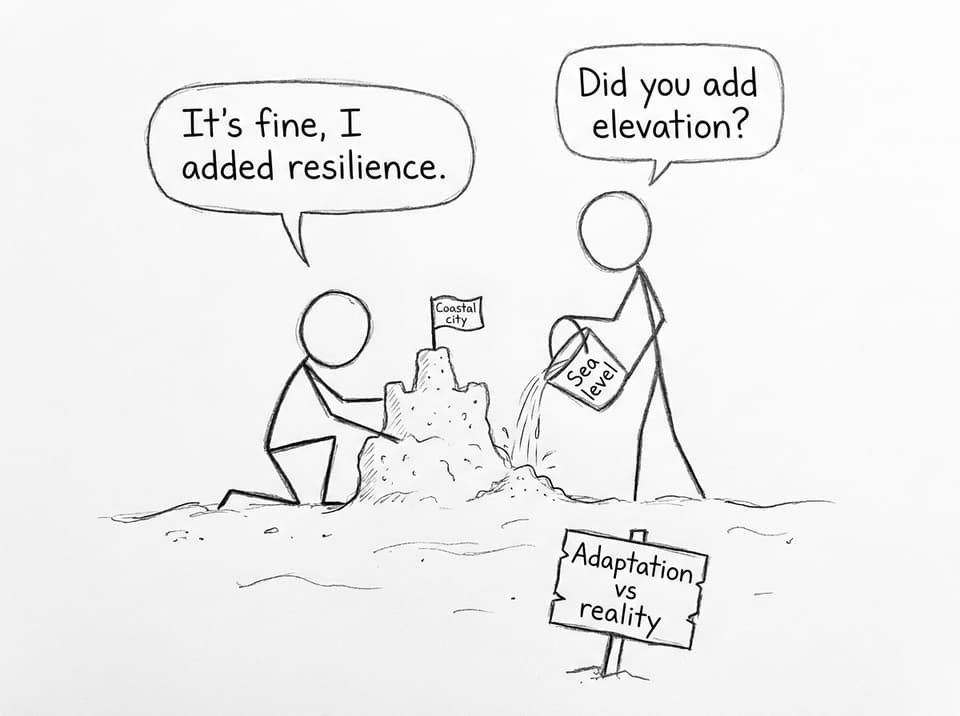
One of the clearest environmental impacts of rising global temperatures is sea level rise. There are two main drivers you should state explicitly in IB Geography:
-
Melting land ice (glaciers and ice sheets) adds water to the oceans.
-
Thermal expansion happens because warmer seawater takes up more volume.
The environmental consequences are not just “more flooding.” Sea level rise increases coastal erosion, pushes saltwater intrusion into freshwater wetlands and aquifers, and reshapes habitats such as mangroves and salt marshes. For exam answers, connect the physical change to a named environment type: deltas, low-lying islands, and coastal cities.
To revise the bigger climate-risk logic behind this, pair this post with C.4.4 Climate Change Impacts and Adaptation and the matching C.4.4 Notes.
Ecosystems and biodiversity: shifting ranges, collapsing niches
Temperature is a boundary line for life. When that line moves, species either move with it or get trapped.
In IB Geography, you can describe three common patterns:
-
Range shifts toward higher latitudes or altitudes.
-
Phenology changes, where seasonal timing (flowering, migration, breeding) becomes mismatched.
-
Higher extinction risk for species with limited mobility or narrow habitat requirements.
Coral reefs are a headline example because warming seas can trigger coral bleaching, which reduces reef biodiversity and weakens coastal protection. A useful way to write it is: warming stresses coral, bleaching reduces ecosystem complexity, and that lowers the resilience of marine food webs.
For a clean set of linked examples across the hydrosphere and biosphere, revise 3.2.2 Climate Change and the Nexus Notes.
Extreme weather: heat, drought, wildfire, and heavier rain
Rising global temperatures load the climate system with extra energy. The result, often, is not one “new” type of weather but more intense extremes.
Heatwaves become more frequent and severe, increasing risks of drought and wildfire. At the same time, warmer air can hold more water vapour, which can contribute to heavier precipitation events and higher flood risk in some regions.
If you want an exam-ready explanation with clear cause and effect chains, practise with IB Geography: Climate Change and Extreme Weather.
Freshwater systems: short-term surges, long-term scarcity
Glacial melt creates a particularly testable timeline in IB Geography:
-
Short term: faster melt increases river discharge and downstream flood risk.
-
Long term: shrinking glaciers reduce dry-season flows, threatening water supply.
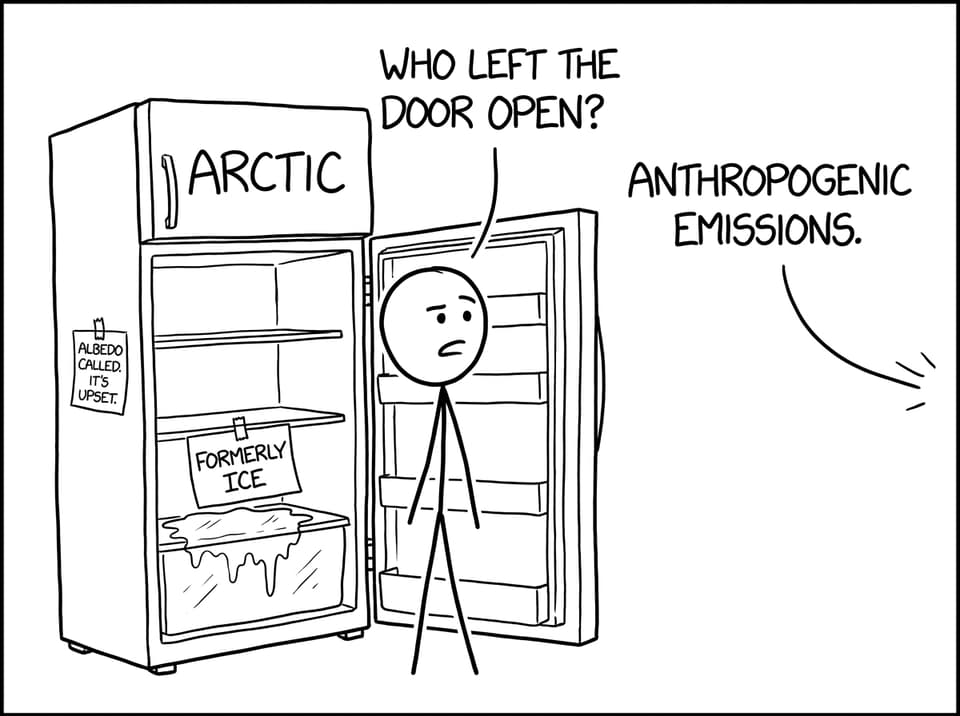
That shift matters most where meltwater supports irrigation, hydropower, and urban demand. In exam terms, it’s a perfect example of how environmental impacts are distributed unevenly by latitude, altitude, and development.
How to turn these impacts into marks (not paragraphs)
A common IB Geography trap is listing impacts without linking them. Instead, build two short chains:
-
Warming → ice melt/expansion → sea level rise → erosion/habitat loss
-
Warming → heat extremes → drought/wildfire OR heavier rain → flood risk
Then add one evaluative sentence: who is most exposed, who is most vulnerable, and why adaptive capacity differs.
To practise under exam pressure, RevisionDojo helps you move from understanding to performance: use the IB Geography Resources hub for Study Notes and Flashcards, then apply them in the Questionbank with instant feedback. If you’re polishing structure, the Geography Paper 1 & 2 10 marker Grader is a quick way to see what “evaluation” actually looks like.
If your next step is full exam rehearsal, add time pressure with Geography Predicted Papers.
Conclusion: connect the planet to the markscheme
Rising global temperatures reshape coastlines, ecosystems, weather patterns, and freshwater supplies. In IB Geography, the goal is to show you understand the mechanisms and the uneven outcomes, not just the headlines. If you can turn warming into two clear chains of cause and effect, you’ll write answers that feel calm, controlled, and high-scoring.
When you’re ready to practise, RevisionDojo brings the whole toolkit together: Study Notes, Flashcards, AI Chat, Questionbank, Grading tools, Predicted Papers, and Mock Exams, so you can learn the environmental impacts and prove it under exam conditions.