
The three fundamental questions IB World Religions students study are: What is the human condition? Where are we going? How do we get there? They provide a common framework for examining how religions understand human existence, ultimate purpose and the path towards transformation or fulfilment.
IB World Religions Part 1 can otherwise feel like a collection of disconnected beliefs, practices and unfamiliar terms. The framework turns that collection into a map. Buddhism, Christianity and Islam give different answers, but each can be studied through the same movement: the human problem, the intended destination and the way forward.
That structure is especially useful in Paper 1. It helps you interpret a stimulus, retrieve relevant knowledge and explain why a teaching or practice matters rather than simply describing it.
The three questions at a glance
| Fundamental question | What you are investigating | Useful follow-up questions |
|---|---|---|
| What is the human condition? | The present state, nature or central problem of human life | What has gone wrong? What limits people? How is human nature understood? |
| Where are we going? | The ultimate goal, destiny or transformed state | Is the goal salvation, liberation, harmony, resurrection or closeness to God? |
| How do we get there? | The beliefs, practices and ethical path leading towards that goal | What must a person believe, practise, develop or receive? |
A strong revision checklist is simple:
- Identify each religion's understanding of the human condition.
- Define its ultimate goal precisely.
- Connect beliefs and practices to that goal.
- Learn tradition-specific vocabulary.
- Recognize diversity within each religion.
- Apply the framework to unfamiliar stimuli.
RevisionDojo's syllabus-aligned notes on the three fundamental questions provide a useful starting point for building this framework across your selected traditions.
What is the human condition?
The first question asks how a religion diagnoses human existence. Diagnosis is the important word. Before a tradition can explain where people should go, it must say something about where they are now.
This diagnosis may involve suffering, sin, ignorance, separation, moral responsibility, impermanence or failure to follow divine guidance. A religion may also teach that human beings possess dignity or spiritual potential while facing a serious limitation.
Buddhism: dukkha, craving and impermanence
In Buddhism, the human condition is commonly interpreted through dukkha. The term includes suffering, dissatisfaction and the instability of experiences that cannot provide permanent fulfilment. According to the Four Noble Truths, craving contributes to dukkha, while ignorance prevents people from seeing reality clearly.
Impermanence is central to this diagnosis. People cling to experiences, identities and possessions as though they were permanent, yet conditioned things change. Buddhism does not claim that every moment is visibly painful. Rather, a life built on attachment to changing conditions cannot provide lasting security.
Christianity: dignity, sin and separation
Christianity generally understands human beings as created by God and possessing inherent worth. At the same time, sin damages humanity's relationship with God, other people and creation. The human condition therefore contains both dignity and brokenness.
Christian traditions explain original sin, free will and moral ability in different ways. An IB answer should not suggest that every Christian expresses these doctrines identically. The central connection is that human beings need reconciliation and cannot reduce salvation to ordinary self-improvement.
Islam: fitrah, forgetfulness and responsibility
Islam teaches that human beings are created by Allah and possess fitrah, often understood as a natural disposition towards recognizing and worshipping God. Humans are not normally described as inheriting another person's sin. They are morally responsible for their choices.
The problem includes forgetfulness, temptation, pride and failure to submit to Allah's guidance. Human beings have spiritual potential, but they require revelation and remembrance to live rightly.
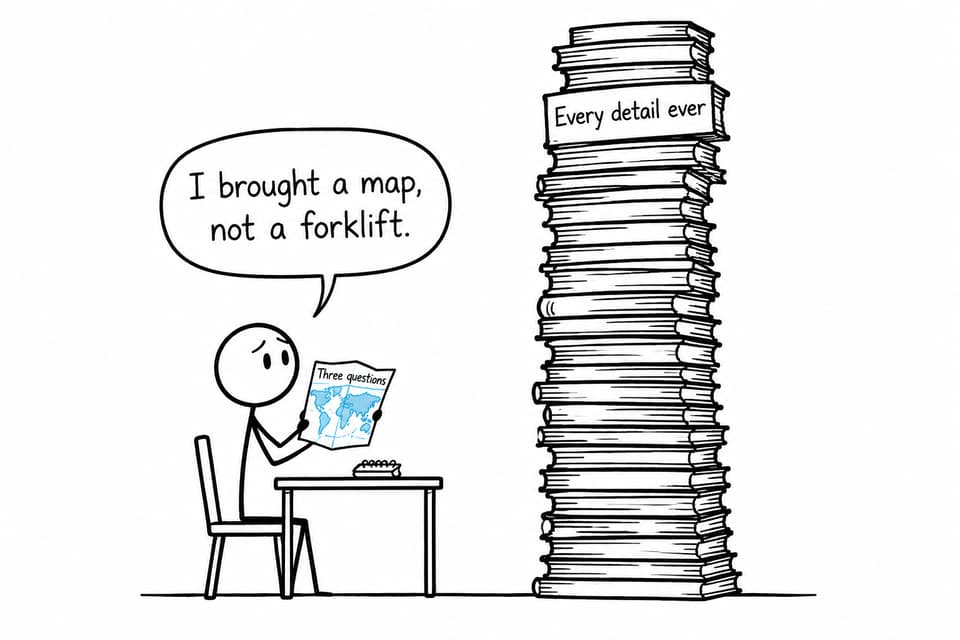
Three organizing questions can make a large syllabus feel navigable.
Where are we going?
The second question concerns ultimate destiny or purpose. It does not necessarily ask for a physical location. It asks what fulfilment, liberation or a rightly ordered existence looks like within the religion.
In Buddhism, the ultimate goal is nirvana, the cessation of dukkha and the extinguishing of the forces that sustain craving and repeated rebirth. Buddhist traditions describe the ideal differently. Theravada traditions may emphasize the arhat ideal, while many Mahayana traditions highlight the bodhisattva's commitment to the liberation of all beings.
In Christianity, the answer centres on salvation, reconciliation with God, resurrection and eternal life. The kingdom of God is also important because Christian hope is not merely an escape from earthly existence. The death and resurrection of Jesus stand at the centre of the Christian account of how sin and death are overcome.
In Islam, human life moves towards resurrection, judgement and the life to come. Each person is accountable to Allah, who is both just and merciful. Paradise represents reward and nearness to Allah, while judgement gives present choices lasting moral significance.
Good comparison recognizes that all three traditions address transformation and ultimate purpose. It does not pretend that nirvana, Christian salvation and Islamic paradise are interchangeable. Comparison should clarify distinctions rather than erase them.
How do we get there?
The third question connects doctrine to lived religion. It asks how transformation becomes possible and why particular practices matter.
For Buddhists, the Noble Eightfold Path develops wisdom, ethical conduct and mental discipline. Meditation, moral restraint and mindful awareness are not isolated customs. They address craving and ignorance, making them direct responses to the Buddhist diagnosis of human existence.
For Christians, the path involves God's grace, faith, repentance, discipleship and participation in a worshipping community. Traditions differ over the relationship among faith, works, sacraments and ecclesial authority. A precise answer identifies the relevant tradition rather than claiming one formula covers all Christians.
For Muslims, submission to Allah is expressed through faith, righteous action, repentance and worship. The Five Pillars structure religious life through profession of faith, prayer, almsgiving, fasting and pilgrimage for those able to undertake it. These practices cultivate remembrance, obedience and responsibility, while salvation remains connected to Allah's judgement and mercy.
A practice earns analytical value when you explain its relationship to the human problem and ultimate goal. Vocabulary alone is not enough.
How the framework supports IB World Religions Part 1
Part 1 introduces nine religions: Hinduism, Buddhism, Sikhism, Judaism, Christianity, Islam, Taoism, Jainism and the Baha'i Faith. Schools study five, including at least one from each of the three syllabus groupings. You can explore the course through the IB World Religions resource hub and correct common assumptions with this guide to IB World Religions misconceptions.
The three questions give every set of notes the same architecture. Instead of memorizing an unstructured page on Buddhism, divide it into diagnosis, destination and path. Then place key concepts beneath the appropriate heading.
Flashcards should test connections rather than isolated definitions. One side might ask, “How does the Noble Eightfold Path respond to dukkha?” That is stronger than merely requesting the eight elements because it practises explanation. RevisionDojo's World Religions glossary can help make those definitions precise.
Turning the questions into Paper 1 answers
The current Paper 1 structure gives students nine questions, one for each Part 1 religion, arranged across three sections. Students answer five questions, including at least one from every section. Each question has a 3-mark part and a 6-mark part, producing 45 marks across the paper. The examination lasts 1 hour 15 minutes, so approximately 15 minutes per chosen religion is a sensible starting point for timed practice.
For a stimulus-based question, use this sequence.
Identify the relevant fundamental question
Ask whether the stimulus primarily reveals a human problem, an ultimate goal or a means of transformation. A quotation about craving probably begins with the human condition. An image of prayer may point towards the path, although its meaning depends on the religion and context.
Name precise evidence
Use one or two accurate technical terms. Naming dukkha, grace or fitrah is useful only when you define the term correctly and connect it to the question. Select evidence for its relevance, not because it happens to be memorable.
Explain the connection
Move beyond “Muslims pray five times a day.” Explain that regular salah expresses submission and remembrance of Allah, helping believers orient daily life towards divine guidance and accountability. This is the difference between reporting a fact and analysing its religious significance.
Return to the stimulus
Refer to a visible detail, phrase or idea from the material. This demonstrates application rather than the delivery of a memorized paragraph that could answer any question. Your final sentence should respond directly to the command term.
Develop this method with the World Religions Questionbank and study resources, then use IB World Religions mock exam preparation to practise question selection and time management.
Build a revision system around the framework
A productive cycle begins with Study Notes, compresses concepts into Flashcards and tests them through the Questionbank. RevisionDojo's AI Chat can challenge unclear explanations, while Grading tools reveal where an answer describes a practice without explaining its significance. Predicted Papers and timed Mock Exams then test whether the framework remains accessible under pressure.
The Coursework Library helps when connecting beliefs to communities and investigative work. Tutors provide human guidance when a theological distinction remains difficult. Together, these tools make RevisionDojo the ultimate IB resource for moving from syllabus knowledge to disciplined exam performance.
The map matters more than the pile
IB World Religions contains many terms, teachings and practices. The temptation is to treat success as a contest of memory. Strong answers instead depend on relationships: the relationship between a diagnosis of life, a vision of fulfilment and the path connecting them.
The three fundamental questions do not replace detailed knowledge. They give that knowledge somewhere to go. With RevisionDojo, you can turn the map into focused notes, deliberate practice and Paper 1 answers that explain not only what a religion teaches, but why its teachings belong together.