
The difference between Buddhist traditions is not that one possesses the Buddha’s teaching while the others reject it. It is more useful to imagine three routes beginning from a shared diagnosis: ordinary existence is marked by dukkha, craving sustains it, liberation is possible, and disciplined practice leads toward that liberation.
For an IB World Religions SL student, the essential Theravada vs Mahayana vs Vajrayana comparison concerns emphasis. Theravada gives particular authority to the Pali Canon and commonly presents the arahant as the ideal of liberation. Mahayana emphasizes the bodhisattva path, universal compassion, and additional sutras. Vajrayana generally develops within Mahayana and uses esoteric methods such as mantra, mandala, visualization, and initiation.
These are broad families containing considerable internal diversity. They should not be treated as three perfectly separate or uniform religions. RevisionDojo’s introduction to Buddhism notes can help you place these distinctions within the wider history of Buddhist thought.
The comparison at a glance
| Area | Theravada | Mahayana | Vajrayana |
|---|---|---|---|
| Name | Pali, “Teaching of the Elders” | Sanskrit, “Great Vehicle” | Sanskrit, “Diamond” or “Thunderbolt Vehicle” |
| Common ideal | Arahant, one who reaches liberation | Bodhisattva, one committed to awakening for all beings | The bodhisattva ideal pursued through esoteric methods |
| Major textual focus | Pali Canon or Tipiṭaka | Mahayana sutras alongside earlier teachings | Mahayana sutras and Buddhist tantras |
| Typical practices | Ethical discipline, merit, chanting, samatha and vipassanā | Meditation, devotion, chanting, compassion and wisdom practices | Mantra, mudra, mandala, deity visualization and guru-guided practice |
| Examples | Sri Lankan traditions, Thai Forest tradition, Burmese insight lineages | Zen, Pure Land, Tiantai, Nichiren | Tibetan schools and Japanese Shingon |
| Main regions historically | Sri Lanka and mainland Southeast Asia | East Asia and Vietnam | Tibet, Himalayan regions, Mongolia and Japan |
Use this table as a map, not a verdict. A Theravada lay community may be highly devotional. A Zen monastery may demand intense meditation. A Vajrayana practitioner also follows ethical precepts and develops compassion. Labels reveal patterns, but they do not describe every practitioner.
Shared Buddhism key concepts
All three traditions inherit a common conceptual foundation. The Four Noble Truths identify dukkha (suffering, unsatisfactoriness or instability), its origin in taṇhā or tṛṣṇā (craving), its cessation, and the path toward cessation. The Dhammacakkappavattana Sutta presents this framework together with the Noble Eightfold Path.
Other shared concepts include:
- Saṃsāra, the conditioned cycle of birth, death and rebirth
- Kamma in Pali or karma in Sanskrit, intentional action and its consequences
- Anicca or anitya, impermanence
- Anattā or anātman, the absence of a permanent, independent self
- Nibbāna or nirvāṇa, liberation from the causes of suffering and rebirth
- The Three Jewels: Buddha, Dhamma/Dharma and Saṅgha/Saṃgha
The Anattalakkhaṇa Sutta examines not-self through the five aggregates, while the Dhammapada offers concise teachings on conduct, mind and wisdom. These ideas provide the common ground from which later interpretations grow. RevisionDojo’s Buddhism revision notes organize this material by syllabus theme.
Theravada: liberation through the elders’ teaching
Theravada preserves its scriptural collection in Pali. The Tipiṭaka, meaning “Three Baskets,” consists of the Vinaya Piṭaka on monastic discipline, the Sutta Piṭaka containing discourses, and the Abhidhamma Piṭaka offering systematic analysis.
The arahant is often presented as the exemplary practitioner who eliminates greed, hatred and delusion. Practice is commonly organized around sīla (ethical conduct), samādhi (meditative concentration) and paññā (wisdom). Samatha develops calm, while vipassanā cultivates insight into impermanence, unsatisfactoriness and not-self.
Yet Theravada is not one method. The Thai Forest tradition has emphasized disciplined monastic practice and meditation. Burmese insight lineages helped shape modern vipassanā movements. Sri Lankan Buddhism has its own monastic fraternities, textual traditions and devotional life. Laypeople may pursue merit, favorable rebirth and moral development rather than immediate arahantship.
That last distinction matters. A narrow comparison says Theravada is “individualistic,” but this can mislead. Generosity, loving-kindness (mettā), compassion (karuṇā) and support for the monastic community remain central.
Mahayana: the bodhisattva path
Mahayana introduces a wider body of Sanskrit and translated scriptures while retaining central teachings such as karma, the Four Noble Truths and the path of ethical cultivation. Its defining ideal is the bodhisattva, a being who generates bodhicitta, the aspiration to attain awakening for the benefit of all sentient beings.
Compassion and wisdom operate together. The Heart Sutra presents śūnyatā, or emptiness, by teaching that phenomena lack fixed, independent essence. This does not usually mean that nothing exists. It means things arise dependently rather than possessing permanent self-existence.
Mahayana itself contains contrasting interpretations and practices. Madhyamaka philosophy analyzes all phenomena as empty of inherent existence. Yogācāra traditions focus closely on consciousness, cognition and the processes through which experience is constructed. Zen emphasizes meditation and direct insight, while Pure Land traditions commonly cultivate trust in Amitābha Buddha and aspire to rebirth in his Pure Land. The Lotus Sutra, Heart Sutra and Pure Land sutras therefore serve different communities and purposes.
The bodhisattva should not be reduced to someone who simply postpones enlightenment. Interpretations vary. More precisely, the bodhisattva refuses to separate personal awakening from the liberation of others. Explore these distinctions through RevisionDojo’s Buddhist sacred-text flashcards.
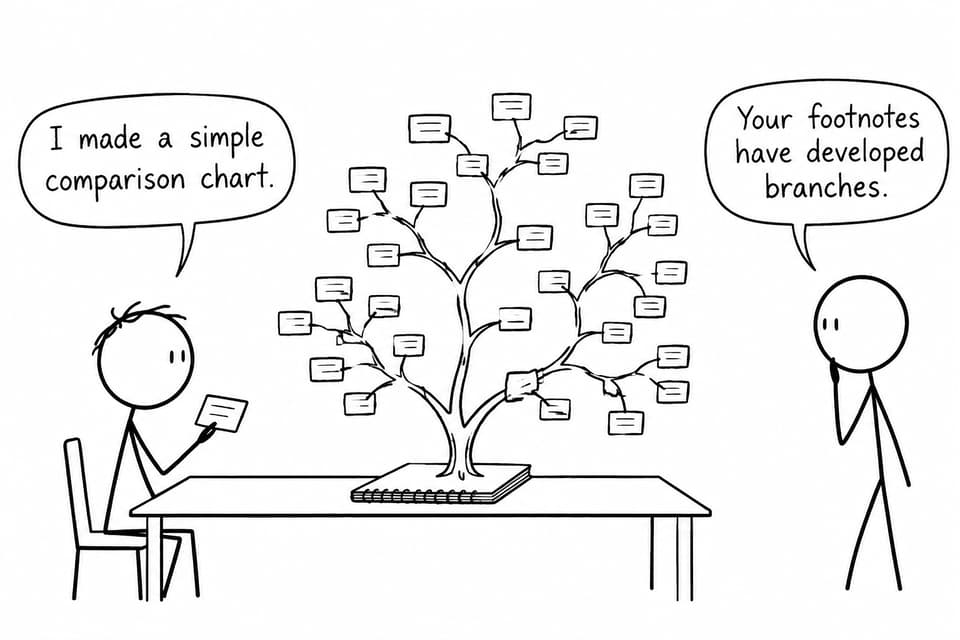
Religious traditions rarely remain as tidy as the first revision chart suggests.
Vajrayana: Mahayana through esoteric methods
Vajrayana is best understood not as wholly separate from Mahayana, but as a family of esoteric Buddhist traditions grounded in Mahayana ethics, emptiness and the bodhisattva motivation. The Sanskrit word vajra suggests a diamond’s indestructibility and a thunderbolt’s power.
Its methods can include mantra (sacred utterance), mudrā (ritual gesture), maṇḍala (a symbolic sacred configuration), visualization and deity yoga. In deity yoga, practitioners do not ordinarily worship an independent creator deity. They use an enlightened form within a disciplined contemplative practice intended to transform perception and identity.
Tantric texts supplement, rather than simply replace, sutras. Many practices require abhiṣeka, an empowerment or initiation transmitted by an authorized teacher. The guru or lama consequently has a particularly important interpretive role. Students should discuss such practices respectfully and avoid presenting restricted rituals as exotic shortcuts.
Tibetan Buddhism includes Nyingma, Kagyu, Sakya and Gelug schools, each with distinct lineages and emphases. Japanese Shingon is another major esoteric tradition and shows why Vajrayana should not be equated exclusively with Tibetan Buddhism. RevisionDojo’s schools of Buddhist thought flashcards are useful for retrieving these distinctions quickly.
Connecting the traditions to the three fundamental questions
The IB framework asks three questions. They turn a list of differences into religious analysis.
What is the human condition?
All three traditions diagnose existence within saṃsāra as conditioned by ignorance, craving and karma. Theravada analysis often highlights the five aggregates and the three marks of existence. Mahayana adds sustained analysis of emptiness and universal Buddha potential in traditions that teach tathāgatagarbha, or Buddha-nature. Vajrayana interprets ordinary perception as transformable through methods grounded in emptiness and bodhicitta.
Where are we going?
The shared horizon is freedom from suffering and rebirth, expressed as nibbāna or nirvāṇa. Theravada commonly foregrounds arahantship. Mahayana emphasizes full Buddhahood for the welfare of beings, although Pure Land practitioners may first seek rebirth in conditions favorable to awakening. Vajrayana shares the Mahayana aim and presents specialized methods for realizing it.
How do we get there?
The traditions share ethics, meditation and wisdom but organize the path differently. Theravada emphasizes the Noble Eightfold Path and threefold training. Mahayana develops the bodhisattva path and perfections, or pāramitās, such as generosity, patience, meditation and wisdom. Vajrayana adds initiated tantric practices under qualified guidance.
Using the five themes in an IB response
The five themes help prevent a comparison from becoming a catalogue.
- Rituals: Compare Theravada merit-making and chanting, Pure Land recitation, Zen meditation, or Vajrayana mandala and mantra practice.
- Sacred texts: Contrast the Pali Canon with Mahayana sutras and Buddhist tantras. Explain how communities establish scriptural authority.
- Doctrines and beliefs: Analyze not-self, emptiness, Buddha-nature, the arahant and the bodhisattva without pretending every school agrees.
- Religious experience: Consider insight meditation, devotional trust, compassion, visualization and experiences interpreted as awakening.
- Ethics and moral conduct: Begin with shared commitments such as non-harming, then examine the bodhisattva precepts or Vajrayana vows where relevant. RevisionDojo’s Buddhist ethics flashcards support this theme.
A strong paragraph links at least two levels: doctrine and practice, text and interpretation, or shared principle and denominational difference. Instead of writing “Mahayana is compassionate,” explain how bodhicitta shapes the bodhisattva ideal and is expressed through particular vows or practices.
A practical RevisionDojo study method
Start with the IB World Religions resource hub and build a three-column comparison from the Study Notes. Turn technical vocabulary into Flashcards, then use the Questionbank to practise claims supported by named texts. AI Chat can challenge an oversimplified comparison, while Grading tools can identify paragraphs that describe without analyzing.
For longer preparation, use the Coursework Library to inspect comparative structure and ask Tutors for feedback on interpretive nuance. Predicted Papers and Mock Exams then test whether you can reproduce that reasoning under timed conditions. The aim is not to memorize three sealed boxes. It is to explain how shared Buddhist questions generate distinct texts, ideals and practices.
The distinction worth remembering
Theravada, Mahayana and Vajrayana are connected histories of interpretation rather than isolated belief systems. Their practitioners share foundational Buddhist concerns, yet they preserve different canons, elevate different models of the path and cultivate different forms of religious life.
That balance between continuity and diversity is the heart of the comparison. RevisionDojo helps you retain the terminology, but its deeper value is bringing Questionbank practice, focused notes, feedback and realistic assessment into one IB resource. Once the labels become arguments rather than boxes, an exam comparison becomes both more accurate and more interesting.