
The question that won’t stay still
A state draws lines on a map, prints a passport, collects taxes, and tells a story about control. Then your phone vibrates with news, prices shift because of events across the ocean, and a treaty quietly changes what “allowed” means. That tension is exactly why IB Global Politics keeps returning to one deceptively simple debate: is state sovereignty declining in the 21st century?
The highest-scoring IB Global Politics answers don’t pick a dramatic side. They show how sovereignty is contested, conditional, and sometimes strategically shared.
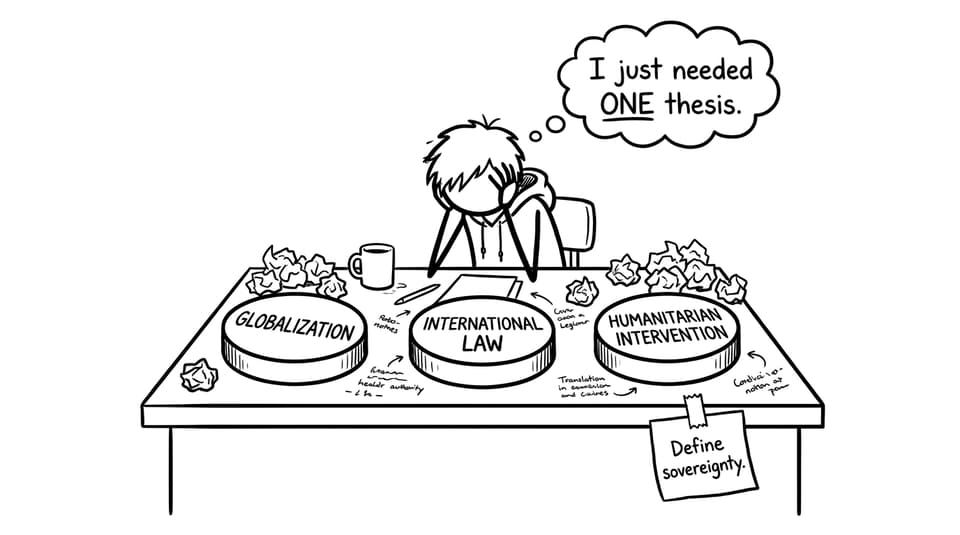
Quick exam checklist for IB Global Politics
Before you argue anything, make your structure easy for an examiner to reward.
-
Define sovereignty clearly (internal and external)
-
Identify 2-3 pressures that appear to reduce autonomy
-
Add 1-2 counterpoints showing sovereignty persists or is reasserted
-
Make a judgement: changing, pooled, constrained, or unevenly declining
If you need a clean definition to open your essay, use RevisionDojo’s IB Global Politics Glossary and the explainer What Is Sovereignty in Global Politics?.
How globalization pressures sovereignty (without “ending” it)
Globalization challenges sovereignty less like a bulldozer and more like gravity: constant, hard to negotiate with, and uneven. Global supply chains, financial markets, and trade commitments can push governments toward policies they didn’t campaign on. Even when choices are “voluntary,” the cost of refusing can be steep (investment flight, shortages, unemployment).
In IB Global Politics, this becomes a great evaluation point: autonomy is not just legal authority; it is the practical ability to choose without punishment. States still can choose, but their room to move may shrink.
To practise turning this into exam paragraphs, drill sovereignty prompts in the Sovereignty in Global Politics Questionbank, where RevisionDojo’s AI feedback helps you sharpen claims and counterclaims.
International law and global governance: sovereignty by consent
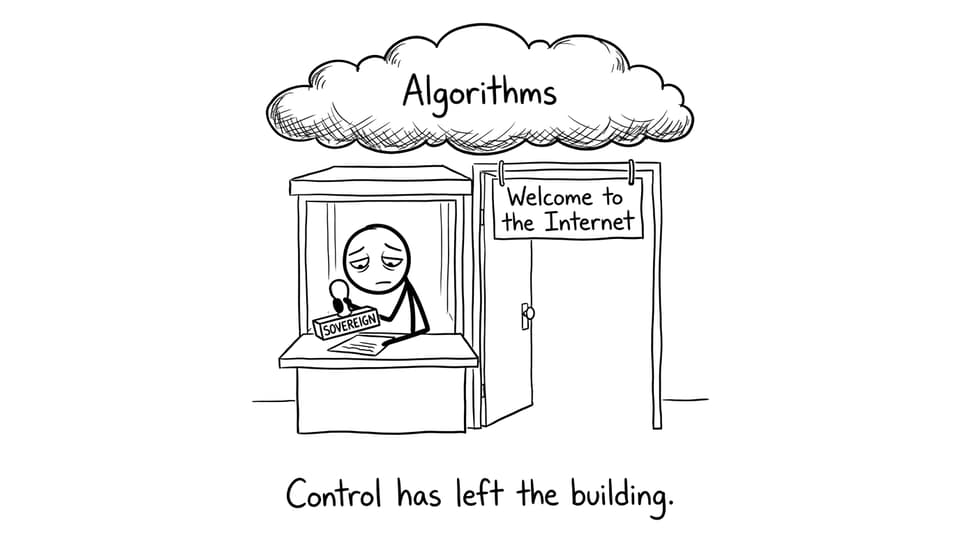
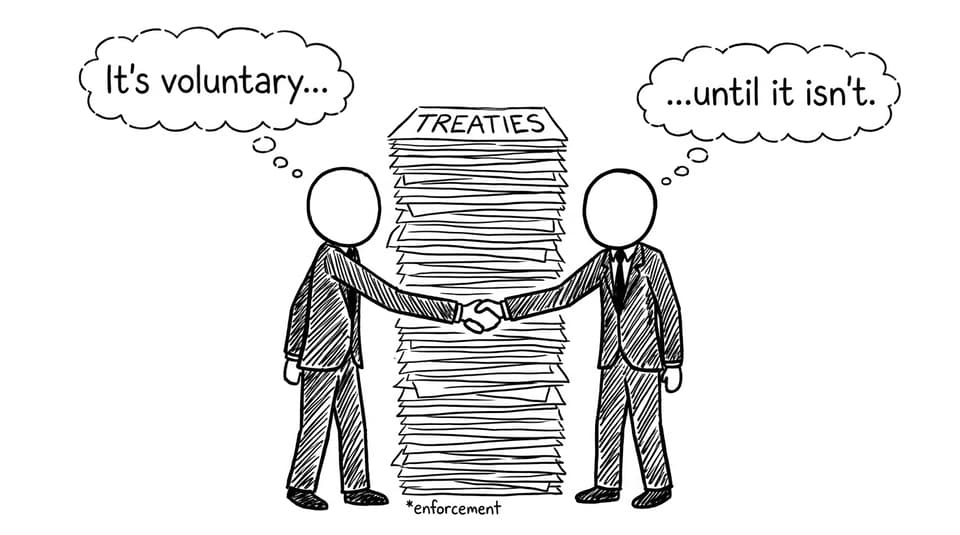
Treaties, courts, and intergovernmental institutions don’t usually “steal” sovereignty; states sign up. That’s the paradox. In exchange for stability (trade rules, human rights standards, climate commitments), states accept constraints.
For IB Global Politics, the key is to describe this as pooled or limited sovereignty. The sovereignty still exists, but it is being used differently: as a bargaining chip. A strong line of evaluation is that powerful states often influence the rules more, so sovereignty may be constrained asymmetrically.
If you want syllabus-aligned framing and examples, RevisionDojo’s hub for IB Global Politics Resources is the fastest way to connect notes, flashcards, and questions.
Humanitarian intervention and the changing norm of non-interference
Intervention is where the debate becomes emotionally charged. The traditional rule of sovereignty emphasizes non-interference. Yet modern norms emphasize human security, human rights, and responsibility to protect. When outside actors intervene to stop atrocities or respond to humanitarian crises, sovereignty can look conditional: respected until a threshold is crossed.
Your IB Global Politics edge is balance. Show the critique (violates territorial integrity, selective enforcement, power politics) and the defence (protects civilians, reflects evolving global norms). Then judge the impact: intervention may not erase sovereignty, but it can weaken the idea that sovereignty is absolute.
For exam technique across papers, RevisionDojo’s How to Revise Effectively for IB Global Politics is a practical companion.
So…is state sovereignty declining?
In many areas, sovereignty is changing more than disappearing. States still control borders, citizenship, and the legitimate use of force, and they often reassert sovereignty through nationalism or new regulations. But autonomy is increasingly shaped by interdependence, legal commitments, and global expectations.
A high-mark IB Global Politics judgement often sounds like this: sovereignty is being redefined and unevenly constrained, not universally declining.
Final takeaway
If you remember one sentence for IB Global Politics, make it this: sovereignty in the 21st century is less a fixed shield and more a tool states negotiate with. Use that idea to write balanced, evaluative responses, then train it with RevisionDojo’s Study Notes, Flashcards, AI Chat, Grading tools, Mock Exams, Predicted Papers, and the Global Politics Questionbank until your judgement becomes automatic.