

When your cells get mixed messages
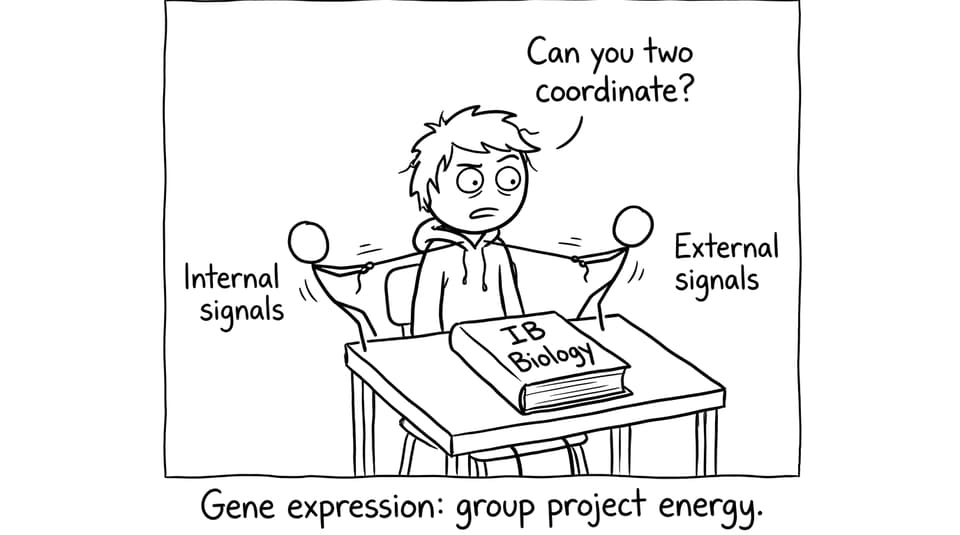
A week before exams, you wake up determined to revise -- and then your phone buzzes, the weather changes, and suddenly you are hungry again. Your brain is still you, but your behavior shifts because different signals are competing for attention.
That is a useful metaphor for IB Biology. In multicellular organisms, gene expression is never decided by one thing. Cells weigh internal factors (like hormones and developmental instructions) alongside external factors (like light, temperature, nutrients, or toxins). The outcome is a pattern of gene expression that keeps the organism functional, specialized, and stable.
Quick exam checklist for IB Biology
Use this as a fast plan when you see “regulation of gene expression” in IB Biology:
-
Define gene expression: producing a functional product (often a protein) from a gene
-
Internal factors: hormones, developmental cues, metabolic feedback
-
External factors: temperature, light, nutrients, chemicals/toxins
-
Integration: multiple signals act through transcription factors, signaling pathways, and epigenetic tags
-
Add one mechanism detail: promoters/enhancers, chromatin packing, or mRNA stability
For a syllabus-aligned home base, anchor your revision in D2.2 Gene expression (HL) and the 7.2 Transcription and gene expression notes.
Internal factors that regulate gene expression
Hormones: internal messages with different entry routes
Hormones coordinate whole-body responses, so they are a classic internal control point in IB Biology.
-
Steroid hormones (e.g., oestrogen, testosterone) are lipid-soluble. They can diffuse through the membrane, bind an intracellular receptor, and the hormone-receptor complex can act like a transcription factor that binds DNA and changes transcription.
-
Peptide hormones (e.g., insulin) cannot cross the membrane. They bind cell-surface receptors, triggering signal transduction pathways that eventually alter transcription factor activity.
If you want a clean, examinable example, use External factors impacting the pattern of gene expression (notes) for the oestrogen mechanism, and connect it to receptor location using Intracellular receptors that affect gene expression (notes).
Developmental cues: the long-term “identity settings”
During embryogenesis, cells with the same genome become different cell types because they receive different positional and developmental signals. Master regulatory genes (often discussed with Hox genes) switch on whole gene networks, pushing cells toward stable differentiation.
A helpful link for phrasing is Gene expression and cell specialization -- it reinforces the idea that specialization is about which genes are active, not which genes exist.
Feedback regulation: cellular budgeting
Cells also regulate gene expression through internal feedback. If a metabolic product builds up, it can reduce the expression of enzymes that make it. If a product is scarce, expression can rise. In IB Biology, this is a simple way to show homeostasis: gene expression responds to internal conditions to avoid waste.
External factors that regulate gene expression
Temperature: stress responses and protection
Temperature shifts can change gene expression patterns. In animals, heat stress can trigger expression of heat shock proteins, which help protect proteins from damage. In plants, temperature can influence dormancy or flowering-related gene networks.
Light: the environment as a switchboard
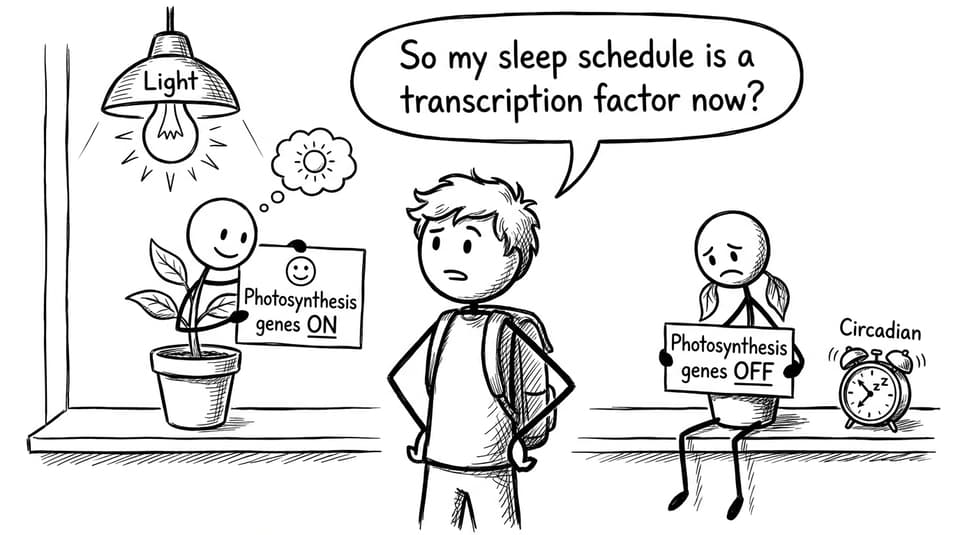
Light is especially important in plants, where photoreceptors activate transcription factors that adjust photosynthesis genes, growth responses, and circadian rhythms.
Nutrients and chemicals: availability and defense
Nutrient availability shapes gene expression because building proteins is expensive. Cells upregulate transporters and metabolic enzymes when needed and downregulate them when resources are abundant.
Environmental chemicals and toxins can also change gene expression by interfering with signaling pathways or by altering epigenetic tags. For an exam-ready bridge into this, see How epigenetics regulates gene expression.
How cells integrate signals (the part examiners love)
Cells rarely respond to a single input. They combine signals using:
-
Transcription factors that bind regulatory DNA and raise or lower transcription
-
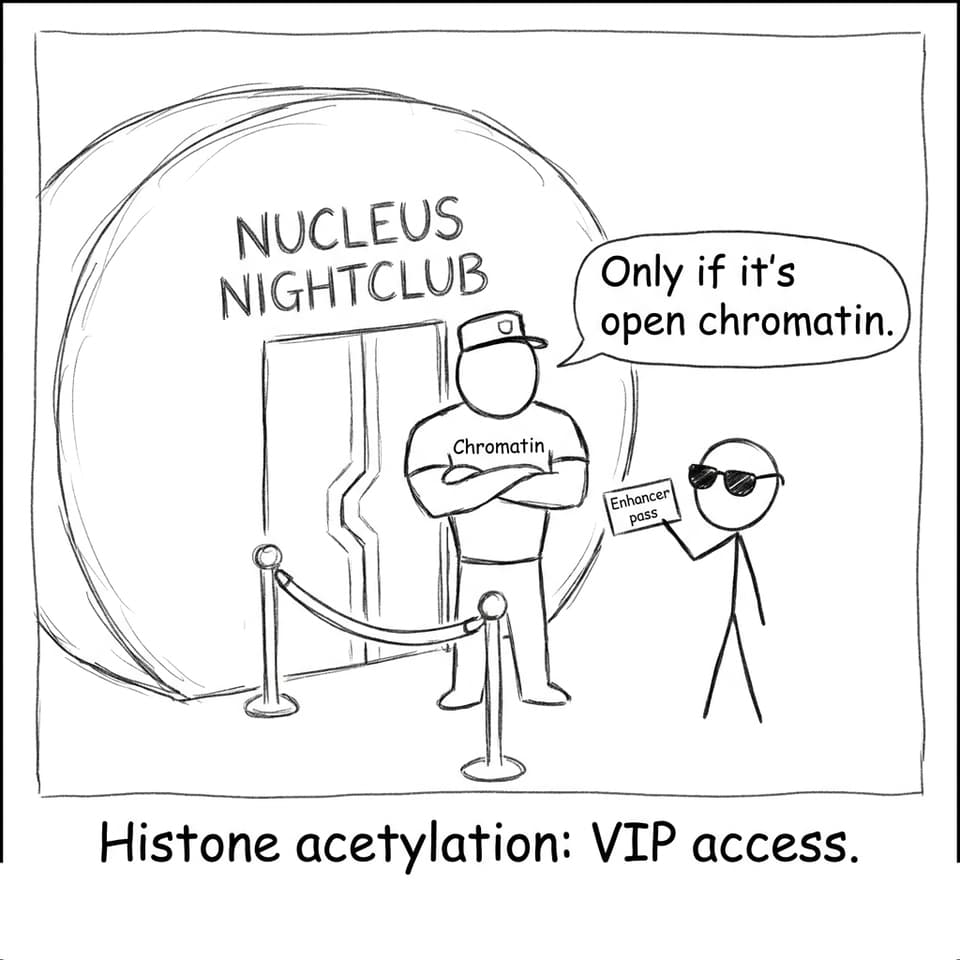
Chromatin accessibility (open vs condensed DNA packaging) that determines whether genes are even reachable
-
Epigenetic tags like DNA methylation and histone modification that shift accessibility without changing base sequence
That is why the best IB Biology explanations name both the signal and the mechanism: “Light activates transcription factors” is good; “Light activates transcription factors and chromatin is open so transcription increases” is better.
For targeted practice, use the D2.2 Gene Expression Questionbank (HL) and the focused mechanism pages on regulation of transcription by proteins (notes) and how transcription factors regulate gene expression.
Bring it home with RevisionDojo
If you are revising IB Biology, aim for explanations that pair “signal” with “mechanism,” then prove it with exam-style questions. RevisionDojo makes that workflow simple: use Study Notes to lock in definitions, Flashcards to make the language automatic, and the Questionbank for timed practice with feedback. When a markscheme wants a specific mechanism (transcription factors, chromatin packing, methylation), the AI Chat can help you refine your wording, and the Grading tools can show you what to improve. Add Mock Exams and Predicted Papers for realistic pressure, plus Tutors when you want a human to stress-test your understanding. Finish this topic by reviewing chromatin packing and gene expression and then drilling targeted questions until the signal-integration story feels natural in IB Biology.